

Skeletons Coco: The Mind-Blowing Psychology Behind Pixar’s Death Characters That Made Kids Love Death

Here’s the thing nobody talks about. Pixar literally convinced millions of children to fall in love with walking corpses.
Not zombies. Not ghosts. Actual skeletons.
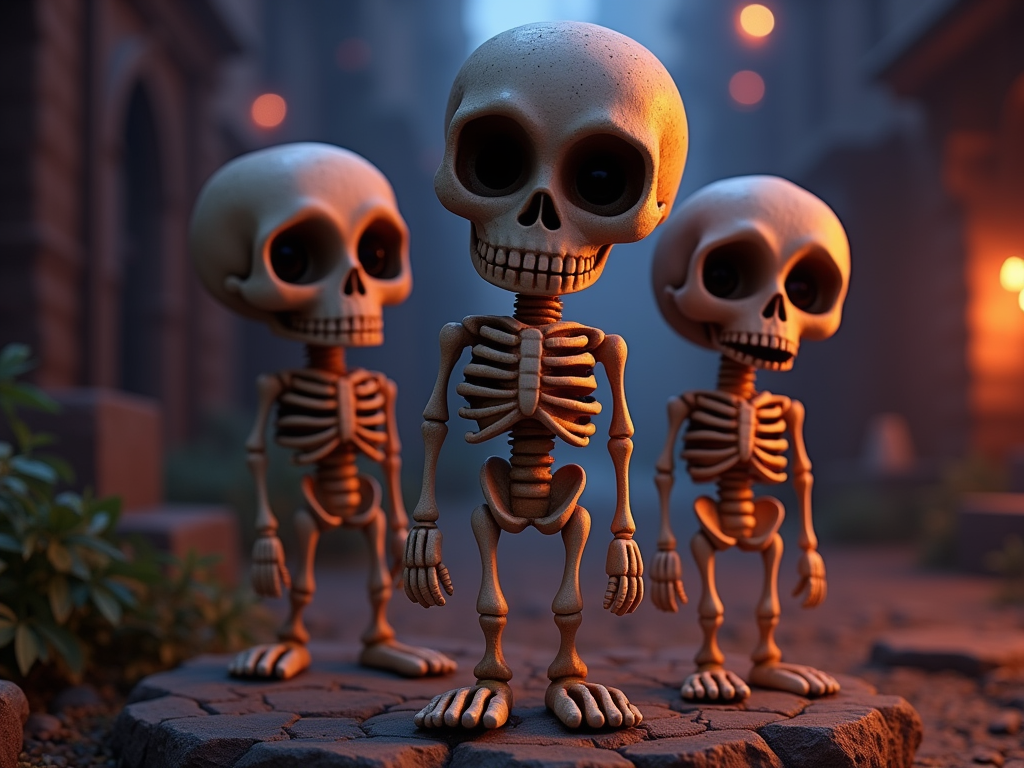
The same imagery that haunts Halloween stores and gives kids nightmares became beloved characters that made audiences cry happy tears. That’s not normal.
Most skeleton characters in entertainment exist to scare or disgust. They rattle chains, jump out of closets, or chase protagonists through graveyards. But Coco’s skeletons? They dance, they sing, they have family drama. They’re dead people who feel more alive than most living characters.
This isn’t just smart animation. It’s psychological warfare in the best possible way.
Pixar cracked a code that turns our primal fear of death into something beautiful. And they did it using neuroscience tricks, cultural intelligence, and animation tech that didn’t exist five years earlier.
Why Coco Skeletons Work: The Neuroscience of Making Death Adorable
Let me hit you with something wild. Those eyeballs on Coco’s skeletons? They’re not there by accident.
Pixar’s team discovered that human brains have specific neurons – called fusiform face areas – that only activate when we see eyes. Without eyes, our brains literally can’t process faces as human. It’s why mannequins creep us out.
So they stuck eyeballs in empty sockets. Boom. Instant emotional connection.
But that’s just the beginning.
The real genius is in what psychologists call ‘mortality salience.’ When humans see death imagery, our brains go into threat mode. Heart rate spikes. Stress hormones flood our system. We’re hardwired to fear death symbols.
Pixar flipped this completely.
They added fabric textures to bones. Gave skeletons colorful clothes. Made them move with personality quirks – like Hector skeleton Coco’s distinctive hobble that came from studying how real animals walk with injuries. Each design choice deliberately short-circuits our fear response.
Think about it. Traditional skeleton imagery emphasizes emptiness. Dark eye sockets. Bare bones. Stillness.
Coco skeleton characters? They’re the opposite. Filled with light, covered in patterns, constantly moving. Your brain can’t categorize them as threats because they violate every visual cue associated with danger.
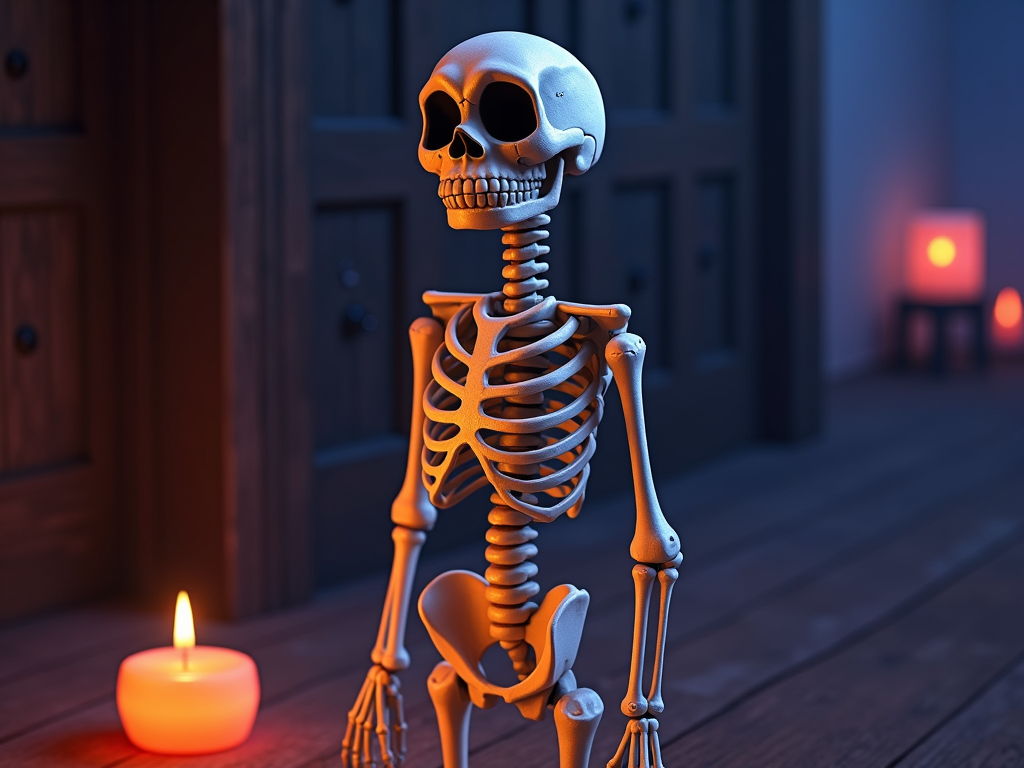
Here’s where it gets really clever. The animators created special rig controls for individual bone movements. Not just arms and legs – individual vertebrae, finger joints, even skull plates. This let them add micro-expressions that bypass conscious thought and hit emotional centers directly.
When Mama Imelda skeleton’s skull tilts just slightly while scolding Miguel, your mirror neurons fire. You feel her disappointment without realizing why.
The Coco movie skeletons aren’t just animated. They’re engineered to hack your emotions.
Dia de los Muertos: The Cultural DNA in Every Coco Skeleton Design
Most people think Dia de los Muertos is Mexico’s Halloween.
Wrong. Dead wrong.
It’s actually a 3,000-year-old indigenous celebration that treats death as a natural transition, not an ending. Pixar spent three years studying this. Not three months. Three years.
They brought in cultural consultants who rejected design after design. Too scary. Too silly. Too American.
The breakthrough came when consultants explained something crucial: authentic Mexican skeleton decorations emphasize celebration over fear. Real calaveras smile. They wear fancy hats. They play music. Death isn’t the enemy – forgetting is.
This revelation changed everything.
Take the color palettes. Traditional Halloween coco skeletons? Black, white, maybe some grey. Disney Coco skeletons explode with marigold orange, papel picado pink, and candle-flame yellow. These aren’t random pretty colors. Marigolds – cempasúchil – literally guide spirits home in Mexican tradition. The orange isn’t decoration. It’s navigation.
The movement patterns matter too. Watch how Coco skeleton family members move. They don’t shamble or lurch like zombies. They dance. They gesture dramatically. They embrace. This comes directly from Dia de los Muertos skeletons in real parades where people dressed as skeletons perform elaborate dances.
The animators studied hundreds of hours of footage from real celebrations.
Even the skeleton decorations tell stories. Those patterns on their bones? They’re not random. Many feature specific symbols from Mexican folk art. Flowers represent the brevity of life. Butterflies symbolize transformation. Crossbones actually mean renewal, not death.
American audiences miss 90% of these details, but Mexican viewers see their culture reflected accurately.
Here’s something that blew my mind: Pixar created different Coco skeleton designs for different social classes, time periods, and regions of Mexico. A skeleton who died in the 1920s has different clothing details than one from the 1890s. Upper-class skeletons have more elaborate patterns. Rural skeletons wear simpler designs.
This isn’t just attention to detail. It’s respect.
Technical Magic: How Pixar Made Bones Dance
Here’s a problem nobody had solved before Coco: How do you make a skeleton emote without muscles or skin?
Pixar’s answer involved inventing animation controls that didn’t exist. They literally programmed new ways for computers to move digital bones.
Start with the eyes. Not just adding them – making them work. Traditional animation rigs use facial muscles to create expressions. Skeletons don’t have faces. So animators created ‘bone deformation controls’ that let skull plates shift subtly. A cheekbone rises slightly for a smile. The jaw doesn’t just open – it shifts sideways for skepticism.
Tiny movements that sell enormous emotions.
The texture work is insane too. They photographed actual animal skulls – horses, dogs, birds – to understand how real bone catches light. Each skeleton has unique weathering patterns. Chips and cracks that tell stories. Hector skeleton Coco’s skull has specific damage patterns that match his death story.
It’s continuity through calcium.
But the real innovation? Clothing physics.
Fabric doesn’t drape on bones like it does on flesh. Pixar’s cloth simulation team spent months figuring out how material would realistically hang on a ribcage. How a dress moves when there’s no hip structure. How a hat stays on a skull with no ears.
They created new physics models just for skeleton clothing.
The dancing scenes nearly broke their computers. Every bone needed independent movement tracking while maintaining anatomical accuracy. When skeletons perform in the talent show, each vertebra rotates correctly. Each rib moves in proportion.
It’s medically accurate dead people dancing. That shouldn’t work. But it does.
My favorite detail? The animators added ‘phantom weight’ to movements. Skeletons obviously weigh less than living people, but moving them realistically made them feel ghostly. So they programmed artificial weight into the rigs. Skeletons move like they remember having muscles.
It’s posthumous muscle memory animated frame by frame.
The Skeleton Effect: Why Kids Now Want Death Toys for Christmas
Remember when skeleton decorations were just for Halloween? Yeah, that’s over.
After Coco, something weird happened. Parents started finding Coco skeleton toys under Christmas trees. Kids were asking for Coco skeleton costumes in July. Day of the Dead Coco skeletons became year-round decorations in bedrooms.
Toy stores couldn’t keep Coco skeleton figurines in stock. Not during October. All year.
This isn’t normal consumer behavior. Horror imagery doesn’t usually cross into mainstream toy markets. But Coco skeletons broke every rule about what kids want to play with.
The psychology is fascinating. By removing fear associations, Pixar created a new category of character. Not scary, not cute – something entirely different. Kids see Coco skeleton merchandise as family figures, not monsters.
Think about that. Children are literally playing with death imagery and seeing it as comforting.
The best Coco skeleton decorations now sell for premium prices. Limited edition Coco skeleton collectibles go for hundreds on resale markets. There’s an entire cottage industry of DIY Coco skeletons tutorials because official merchandise can’t meet demand.
Even weirder? The trend crosses cultures. Japanese kids who’ve never celebrated Dia de los Muertos want Miguel skeleton Coco figures. European Christmas markets now sell sugar skull Coco ornaments.
Death imagery went global. And happy.
Your Brain on Coco: The Lasting Impact
Here’s what really gets me. Coco didn’t just change how kids see skeletons. It rewired how entire cultures process death.
Therapists report children using Coco references to discuss deceased grandparents. “Are they in the Land of the Dead like Coco?” becomes a conversation starter about mortality. Grief counselors incorporate Coco skeleton characters into sessions.
That’s unprecedented. A cartoon about skeleton coconut heads became a therapeutic tool.
The ripple effects keep spreading. Halloween stores now stock more celebratory skeleton decorations alongside scary ones. Craft stores created entire Coco skeleton craft ideas sections. Even coco skeleton cake toppers for birthday parties – not Halloween, regular birthdays – became normal.
Schools use Coco skeleton coloring pages to teach about different cultural approaches to death. Museums created exhibits comparing Coco skeleton templates to historical death imagery. Academic papers analyze the film’s impact on thanatology – the study of death and dying.
All because Pixar decided skeletons could smile.
Creating Your Own Coco Magic
Look, Pixar didn’t just animate skeletons. They rewired how our brains process death imagery. They took 3,000 years of Mexican tradition, cutting-edge neuroscience, and technical innovation, then mixed it into something that makes kids want skeleton toys for Christmas.
That’s not normal. But it’s brilliant.
The real lesson isn’t about animation techniques or cultural consultation. It’s about respecting your audience’s intelligence while honoring source material. Coco’s skeletons work because they’re authentic, not because they’re cute. They’re beloved because they celebrate life, not because they avoid death.
Every design choice has meaning. Every movement tells a story. Every color connects to centuries of tradition.
Try this: Next time you see skeleton decorations – Halloween, Dia de los Muertos, whatever – look for the details. Are they trying to scare or celebrate? Do they have personality or just empty sockets? You can even try your hand at coco skeleton face paint or printables to understand the artistry involved.
Once you understand why Coco skeletons feel alive, you’ll never look at death imagery the same way.
And maybe that’s the point. Death doesn’t have to be the enemy. Sometimes it’s just another character in the story. Pixar proved that. Now whenever you see Coco skeletons for sale or cheap Coco skeletons at stores, you’ll know you’re looking at a revolution in visual storytelling.
Not bad for a bunch of bones with eyeballs.