
Hip Peas Bath Products Safety Exposed: What EWG Ratings Really Tell Parents

Let me blow your mind: that ‘natural’ baby wash you’re paying premium prices for? It might score worse on safety ratings than the cheap stuff at the grocery store. I’m not kidding. Hip Peas bath and body products – you know, the ones with the cute packaging and promises of plant-based goodness – have ingredient scores in the EWG database that’ll make you do a double-take. Some of their ‘natural’ essential oils score a 3-5 for allergen potential. Yeah, natural doesn’t mean squat when it comes to safety.
Here’s what nobody’s telling you: most Hip Peas reviews floating around are ancient history – we’re talking 2013-2017 old. Meanwhile, the science on baby skin microbiomes has completely evolved. Parents are making decisions based on dusty reviews and marketing fluff while ignoring actual safety data. Time to fix that.
Hip Peas Ingredient Safety Scores: What the EWG Database Really Reveals
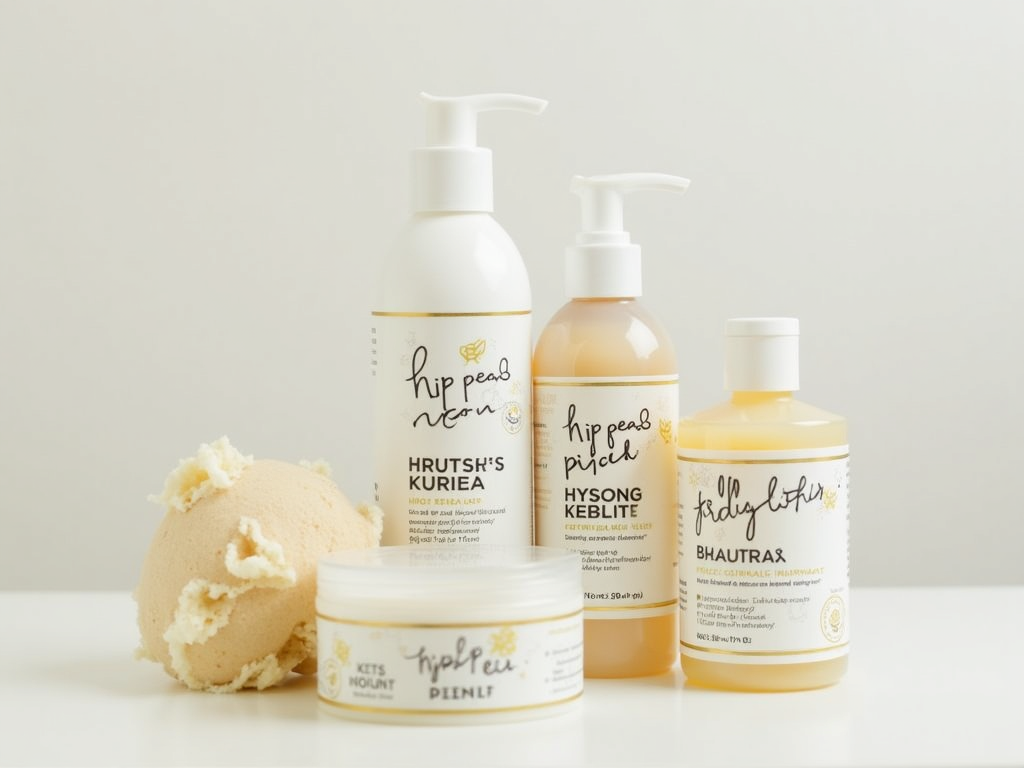
Ready for some truth bombs? Hip Peas’ foaming body wash contains sodium benzoate. Sounds scary, right? Here’s the kicker – it only scores a 3 on EWG’s scale. That’s actually pretty decent for a preservative. But their lavender essential oil? That bad boy can hit a 5 for allergen concerns. Natural my ass.
The EWG Skin Deep database rates ingredients from 1 (safest) to 10 (run for the hills). Most parents never check. They see ‘organic’ and assume it’s bulletproof. Wrong. Hip Peas bath products generally score between 1-4, which beats most conventional brands. But here’s what’s wild – some ingredients everyone freaks about score better than the ‘natural’ alternatives.
Take cocamidopropyl betaine, their main surfactant. Sounds like a chemistry experiment gone wrong. Scores a 1. Meanwhile, that organic orange peel extract everyone loves? Can trigger reactions in sensitive kids. The plant-based surfactants Hip Peas uses are derived from coconut oil, sure, but they’re still processed chemicals. Just safer ones.
Hip Peas natural products avoid over 1,400 chemicals banned in the EU. Impressive, until you realize American standards are a joke compared to Europe. They’re basically bragging about meeting basic international safety standards. Still, credit where it’s due – no sulfates, parabens, or phthalates. Those are the real nasties.
What really matters? Individual ingredient scores for YOUR kid’s specific sensitivities. Not every baby reacts to the same stuff. The EWG app lets you scan products and see exactly what’s in them. Game changer. Skip the marketing BS and look at actual safety data.
But ingredient lists only tell half the story. The way those ingredients are delivered matters just as much.
The Foaming Formula Advantage: Why Hip Peas Outperforms Traditional Baby Washes
Here’s something that’ll make you rethink everything: foam isn’t just convenient – it’s scientifically better for baby skin. No joke. Pediatric dermatology studies show foaming formulas maintain skin pH levels way better than traditional liquid washes. Hip Peas figured this out while everyone else was still squirting globs of gel everywhere.
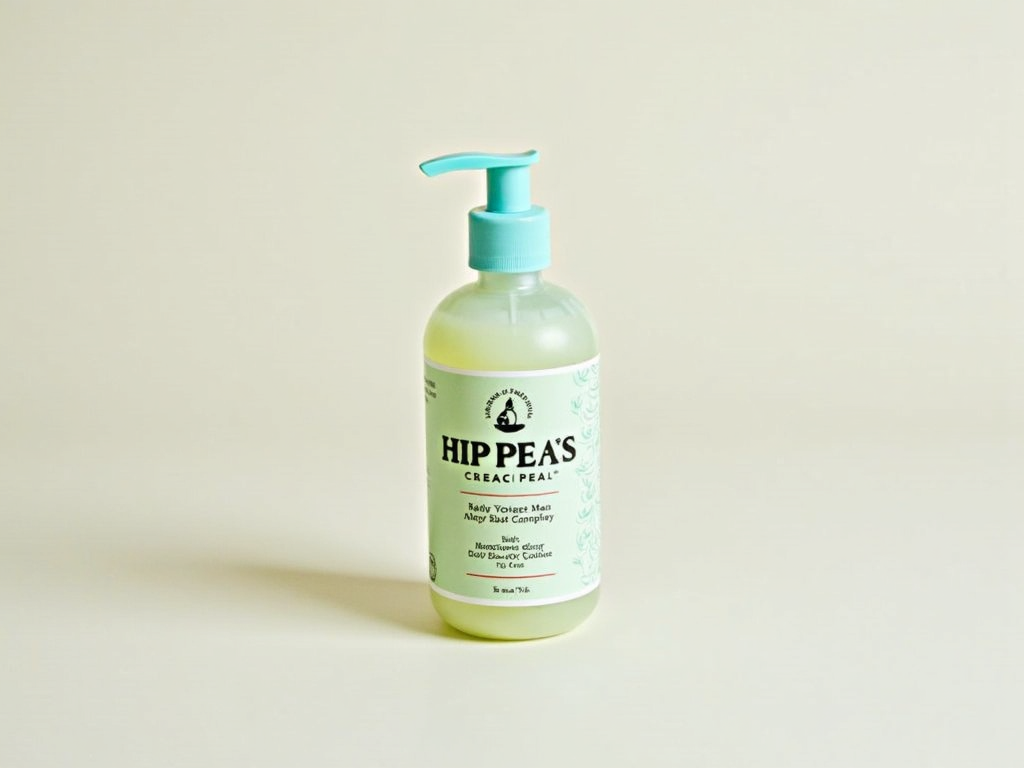
The magic happens because of green chemistry advances in plant-based bath products. These molecules create stable foam at lower concentrations. Translation? Less product touching your kid’s skin for the same cleaning power. It’s like getting a concentrated formula without the harsh concentration.
Baby skin pH hovers around 5.5. Most tap water? Between 6.5-8.5. Every bath disrupts that delicate balance. Traditional liquid washes make it worse – they need more product to create lather, flooding skin with surfactants. Hip Peas kids bath products’ foaming technology pre-lathers the product. Less disruption, better microbiome protection.
The Microbiome Connection Nobody Talks About
Speaking of microbiomes – that’s the collection of good bacteria living on your baby’s skin. Recent research shows this bacterial ecosystem is crucial for preventing eczema, allergies, even asthma later in life. Harsh washes nuke everything. Hip Peas’ gentler approach preserves more beneficial bacteria.
The foaming pump also solves the eternal parent struggle: dosing. Ever watched a toddler squeeze a bottle? Half the product ends up on the bathroom floor. Foam pumps deliver consistent amounts. No waste, no mess, no accidentally stripping your kid’s skin with too much product.
Bonus revelation: foam rinses cleaner. Liquid washes leave residue that requires more water to remove. More rinsing means longer bath time, more skin exposure to tap water, more pH disruption. It’s a cascade of skin stress most parents never consider. The foam format isn’t just marketing – it’s legitimately better science.
Beyond ‘Chemical-Free’: Decoding Hip Peas Marketing vs. Reality
‘Chemical-free’ is the biggest lie in the beauty industry. Water is a chemical. Your organic lavender oil? Chemical compounds. That natural vitamin E? Tocopherol – scary name, harmless chemical. Hip Peas organic bath products know this. They use the term anyway because parents eat it up.
Here’s what Hip Peas body care actually means when they say ‘chemical-free’: no synthetic fragrances, no petroleum derivatives, no formaldehyde releasers. That’s legit. But they still use chemicals – just plant-derived ones processed in labs. Sodium cocoyl isethionate sounds terrifying. It’s from coconuts. Still a chemical.
The real story? Hip Peas products contain necessary preservatives. Has to. Without them, your bathroom would become a bacteria farm. Their sodium benzoate (remember, EWG score: 3) prevents mold and bacteria growth. It’s derived from benzoic acid, found naturally in cranberries. Still synthetic when manufactured. Still necessary.
Marketing Claims vs. Scientific Reality
Marketing versus reality checklist: ‘Sulfate-free’ – true and important. Sulfates strip natural oils. ‘Paraben-free’ – also true, though the paraben panic was overblown. ‘Natural fragrance’ – half-truth. Essential oils are natural but can be more allergenic than synthetic alternatives. ‘Tear-free’ – achieved through pH balancing, not magic.
The 1,400+ banned chemicals Hip Peas avoids? Most companies avoid them too. It’s not special – it’s standard practice for anyone selling in Europe. They’re basically advertising compliance with regulations. Like bragging your car has seatbelts.
What Hip Peas does right: transparency. Full ingredient lists on packaging. No hiding behind ‘proprietary blends.’ They’ll tell you exactly which plant extracts, which preservatives, which surfactants. That honesty beats most competitors still playing hide-and-seek with ingredients.
Now that you can see through the marketing smoke, let’s build a framework for actually choosing the right products.
The S.A.F.E. Framework: Your Guide to Choosing Hip Peas Products
Forget the marketing. Here’s how to actually evaluate whether Hip Peas bath and body products work for your family:
S – Scan with EWG. Every. Single. Product. Hip Peas baby products might score great overall, but individual ingredients matter for your kid.
A – Assess your specific needs. Eczema-prone? Skip anything with essential oils, even natural ones. Super sensitive? Look for their fragrance-free options.
F – Focus on format. Those foaming formulas aren’t just convenient – they’re genuinely better for maintaining skin barrier function.
E – Evaluate cost per use. Hip Peas ain’t cheap. But if the foam pump means using half as much product, the math might surprise you.
Real Parent Testing Protocol
Want to test Hip Peas skincare like a scientist? Start with one product. Use it exclusively for two weeks. Document skin condition daily. Photos help. Note any reactions, dryness, or improvements. Then compare to your previous routine. Data beats assumptions every time.
Pay attention to secondary factors too. Does your kid fight bath time less with better-smelling products? That stress reduction might be worth the premium price. Does the foam format mean faster, calmer bedtime routines? Factor that in.
Conclusion: The Truth About Hip Peas Bath Products
Here’s the bottom line: Hip Peas bath products aren’t perfect. No product is. But armed with EWG scores and actual science, you can make choices based on data, not fairy tales. Natural doesn’t automatically mean safe. Chemical doesn’t automatically mean dangerous. Your kid’s skin doesn’t care about marketing – it cares about pH balance, microbiome health, and avoiding specific irritants.
Download the EWG app right now. Seriously, stop reading and do it. Scan whatever you’re currently using. Prepare to be shocked. Then use the S.A.F.E. framework to evaluate whether Hip Peas – or any brand – actually makes sense for your family. Because at the end of the day, the best bath product is the one that keeps your kid’s skin healthy without breaking the bank or your sanity. Everything else is just bubbles.