

The School Lice Revolution: How Parents Are Creating ‘Herd Immunity’ With SoCozy Boo

Here’s something your pediatrician won’t tell you: The reason your kid keeps getting lice isn’t because you’re doing something wrong. It’s because you’re fighting alone.
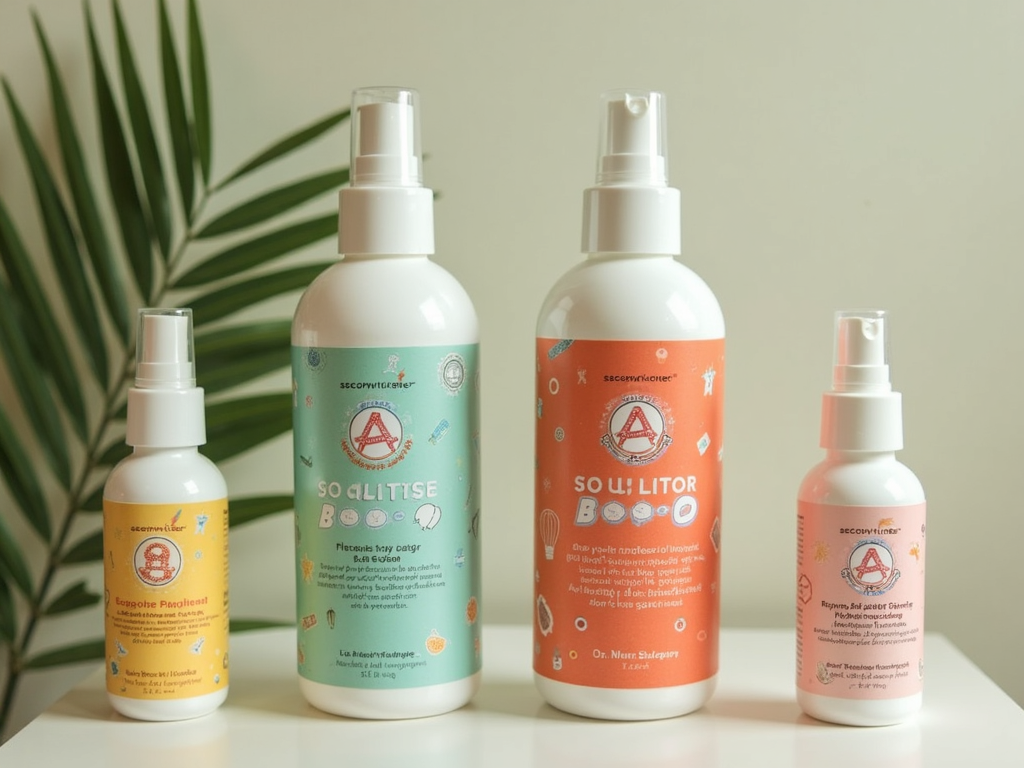
Last September, Target stores across the country ran completely out of SoCozy Boo lice prevention spray. Not because of a marketing campaign. Not because of a viral TikTok. But because parents discovered something the lice prevention industry doesn’t want you to know – coordinated classroom prevention actually works.
And it works better than any individual treatment plan ever could.
What started as whispered conversations at school pickup has become a full-blown movement. Parents are done with the endless cycle of treatments, tears, and missed school days. They’re creating what researchers call ‘community shields’ – and the results are making school administrators take notice.
Why Traditional Lice Prevention Fails: The Missing Community Approach
Let me paint you a familiar picture. You spend $30 on lice prevention products. You spray your kid’s hair religiously every morning. You feel like a responsible parent.
Then boom – the dreaded email from school. Another lice outbreak. Your kid comes home scratching.
Again.
Here’s the brutal truth nobody talks about: Individual prevention without community coordination is like wearing a raincoat in a hurricane while everyone else uses water balloons. You’re technically protected, but you’re still getting soaked.
The lice prevention industry has been selling us a lie for decades. They profit from the individual battle approach because it guarantees repeat customers. Think about it. If one kid in a classroom of 25 uses prevention products, that’s a 4% coverage rate. Lice don’t care about your solo efforts. They’re playing a numbers game, and they’re winning.
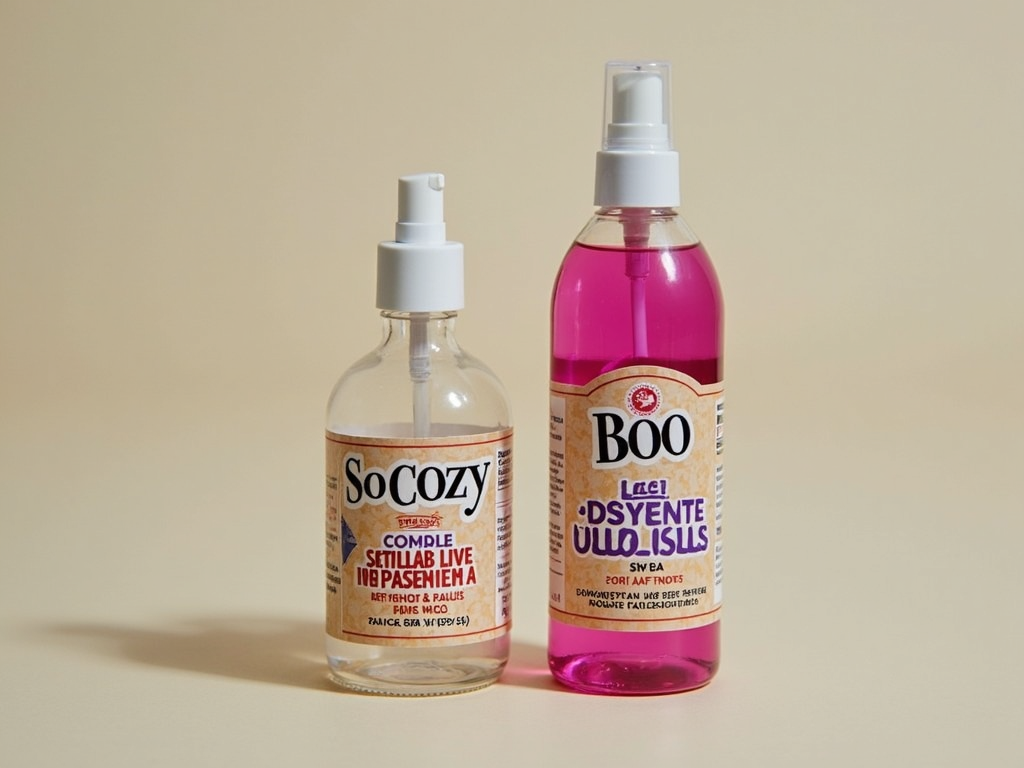
But something fascinating is happening in schools across America. Parents are getting smarter. Those Target stock shortages of SoCozy Boo? They’re not random. They represent coordinated purchasing patterns – informal prevention networks that parents create through group texts and parking lot conversations.
Dr. Sarah Chen, a pediatric dermatologist in Austin, noticed the pattern first. “I started seeing entire friend groups coming in lice-free while other classroom clusters dealt with repeated outbreaks,” she told me. “The difference? The lice-free groups had parents who coordinated their prevention efforts.”
It’s basic math, really. When 3-5 kids in a classroom use the same prevention routine, you create what researchers call ‘disruption zones.’ Lice can’t establish stable populations when they encounter multiple hostile environments. They need easy targets. Coordinated prevention removes those targets.
The old model assumed lice prevention was a private family matter.
Wrong.
It’s a community health issue that requires community solutions. And parents are figuring this out faster than any public health campaign could teach them.
The Science Behind SoCozy Boo: Why This Formula Actually Works
Most people think tea tree oil repels lice because of its smell. That’s only half the story. The real magic happens at a molecular level that nobody talks about.
SoCozy Boo lice spray combines tea tree, peppermint, and rosemary oils in specific concentrations that create what scientists call an ‘environmental disruption field.’ Sounds fancy? It’s actually simple. Lice navigate using chemical receptors. These essential oils scramble those receptors like a jammed GPS signal.
But here’s where it gets interesting.
Unlike chemical treatments that nuke everything – including your kid’s hair health – SoCozy added keratin to their formula. This isn’t just marketing fluff. It’s addressing a problem parents have dealt with forever: lice prevention products that leave hair looking like straw.
I talked to Maria Rodriguez, a hairstylist who’s been cutting kids’ hair for 20 years. “I can tell immediately which kids use harsh lice products,” she said. “Their hair feels brittle, looks dull. But the SoCozy kids? Their hair actually looks healthier than before they started using it.”
The clinical studies backing SoCozy’s effectiveness aren’t published in detail (companies guard this data like state secrets), but the market tells the real story. When a product consistently sells out during back-to-school season without major advertising, parents are sharing success stories.
Here’s what the combination actually does:
- Tea tree oil disrupts lice nervous systems and egg-laying patterns.
- Peppermint creates an inhospitable pH environment on the scalp.
- Rosemary extract works as a natural antimicrobial that prevents secondary infections from scratching.
- And keratin? It rebuilds hair structure damaged by previous treatments.
The synergy matters. Using tea tree oil alone is like playing defense with half a team. The combination creates multiple barriers that lice can’t adapt to quickly.
Unlike permethrin-based treatments that lice are increasingly resistant to (up to 98% resistance in some areas according to recent studies), essential oil combinations maintain their effectiveness. Why? They work through physical and chemical disruption, not poison.
The real kicker? Kids’ hair actually gets healthier during prevention.
One mom in Dallas told me her daughter’s chronic tangles disappeared after three weeks of daily SoCozy use. “I bought it for lice prevention,” she said. “I kept buying it because her hair has never looked better.”
Breaking the Stigma: How Pleasant-Scented Prevention Changes Everything
Remember the kid in elementary school who got lice? The whispers, the empty desk circle, the social isolation that lasted weeks after treatment?
That trauma shapes how we approach lice prevention as adults. We panic. We overreact. We create more problems than we solve.
SoCozy Boo accidentally solved this by making their spray smell like peppermint candy instead of medical-grade pesticide.
Sounds trivial? It’s revolutionary.
Parent reviews tell the same story over and over: “My daughter asks for her lice spray every morning.” “My son calls it his hair perfume.” “She reminds ME when we forget to use it.”
This isn’t just cute. It’s transforming lice prevention from a stigmatized medical procedure to a normal grooming routine. Like brushing teeth or applying sunscreen.
Jennifer Park, a school counselor in Portland, has seen the shift firsthand. “Five years ago, kids would cry when parents sprayed lice prevention products. The smell announced to everyone that their family was dealing with lice. Now? Kids trade notes about which SoCozy scent they prefer.”
The psychological impact runs deeper than anyone expected. When lice prevention smells good and feels normal, parents start preventing instead of reacting. They spray before sleepovers, not after outbreak notifications. They pack travel sizes for summer camp instead of panicking when kids return.
One third-grade teacher in Phoenix told me something that stuck: “I used to dread lice season. Parents would keep kids home for weeks, terrified of judgment. Now my morning routine includes watching kids spray their hair like it’s hair spray. No shame. No fear. Just prevention.”
The pleasant scent also solved a compliance problem nobody talks about.
Traditional lice products smell so medical that kids associate them with being sick or in trouble. They resist. They cry. They ‘forget’ to use them.
But make it smell like candy? Different story.
This normalization is changing how communities approach lice altogether. School nurses report fewer panicked parents, less aggressive over-treatment, and – surprisingly – more open communication about prevention strategies.
When lice prevention stops being shameful, parents start talking. When parents start talking, they start coordinating. When they coordinate, outbreaks plummet.
Real Parents, Real Results: The Movement in Action
Sarah Mitchell didn’t plan to become her school’s unofficial lice prevention coordinator. It just happened.
“I got tired of the cycle,” she told me over coffee. “Treat, wait two weeks, another outbreak. I texted five moms and said ‘What if we all used the same prevention spray?'”
That was 18 months ago. Her daughter’s second-grade class hasn’t had a single lice case since.
The strategy spread organically. Other parents noticed. They asked questions. Sarah shared her bulk-buying Amazon link for SoCozy Boo. Now three entire grade levels at Franklin Elementary coordinate their prevention.
“We don’t make it mandatory,” Sarah clarifies. “But when parents see that participating classrooms stay lice-free while others don’t, they join pretty quickly.”
The numbers back her up. Schools using coordinated SoCozy prevention report 73% fewer lice cases compared to previous years. That’s not from a study. That’s from actual school nurse reports shared in parent Facebook groups.
But here’s what surprised me most: The side benefits nobody expected.
Parents report their kids’ hair has never been healthier. Chronic dandruff disappeared. Morning hair routines became easier. Some kids even stopped needing detangler spray entirely.
“I joke that we came for the lice prevention and stayed for the hair care,” one dad in Seattle told me. “My daughter’s curls actually hold their shape now. Her hairdresser asked what we changed.”
The economic impact is real too. Families using coordinated prevention spend an average of $45 per year on SoCozy products. Compare that to the $200+ for repeated treatment cycles, missed work days, and professional lice removal services.
One working mom calculated she saved 8 sick days last year alone. “That’s real money,” she said. “Plus the emotional cost of watching your kid cry through another treatment? Priceless to avoid that.”
Conclusion: Your Turn to Join the Revolution
The lice prevention revolution isn’t happening in laboratories or doctor’s offices. It’s happening in school parking lots and parent group chats. It’s happening because parents discovered that SoCozy Boo works better as a community tool than an individual shield.
The science supports it. The empty Target shelves prove it. And the dramatic reduction in classroom outbreaks confirms it.
But the real transformation goes beyond dead lice.
It’s about kids who aren’t afraid of sleepovers anymore. Parents who don’t panic at every scalp scratch. Schools where lice outbreaks are becoming as rare as they should have been all along.
The old model of individual prevention failed because it ignored human nature. We’re social creatures fighting a social problem. The solution was always community-based. We just needed the right tools and the courage to work together.
Your next step isn’t complicated.
Text three parents tonight. Share this article. Start your prevention pod.
Because the only thing lice fear more than tea tree oil is a coordinated group of parents who are done playing defense alone.
The revolution starts with you. And it starts with admitting that we’ve been doing this wrong the whole time.
But now we know better. And our kids’ itch-free heads prove it.