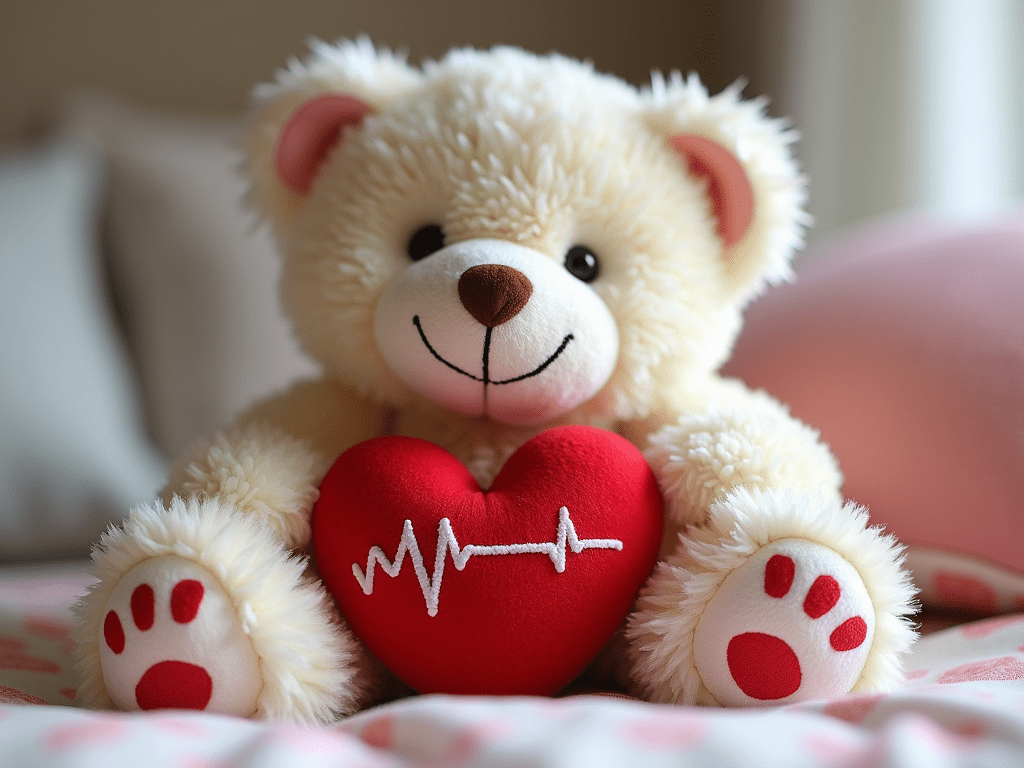
The Baby’s Heartbeat Bear Revolution: Why Hospitals Are Ditching Traditional Comfort Objects

Let me tell you something wild. That fuzzy heartbeat bear in the NICU? It’s not a toy. It’s medical equipment that happens to look like a sloth.
Or a dragon. Or whatever keeps preemies from losing their minds at 3 AM.
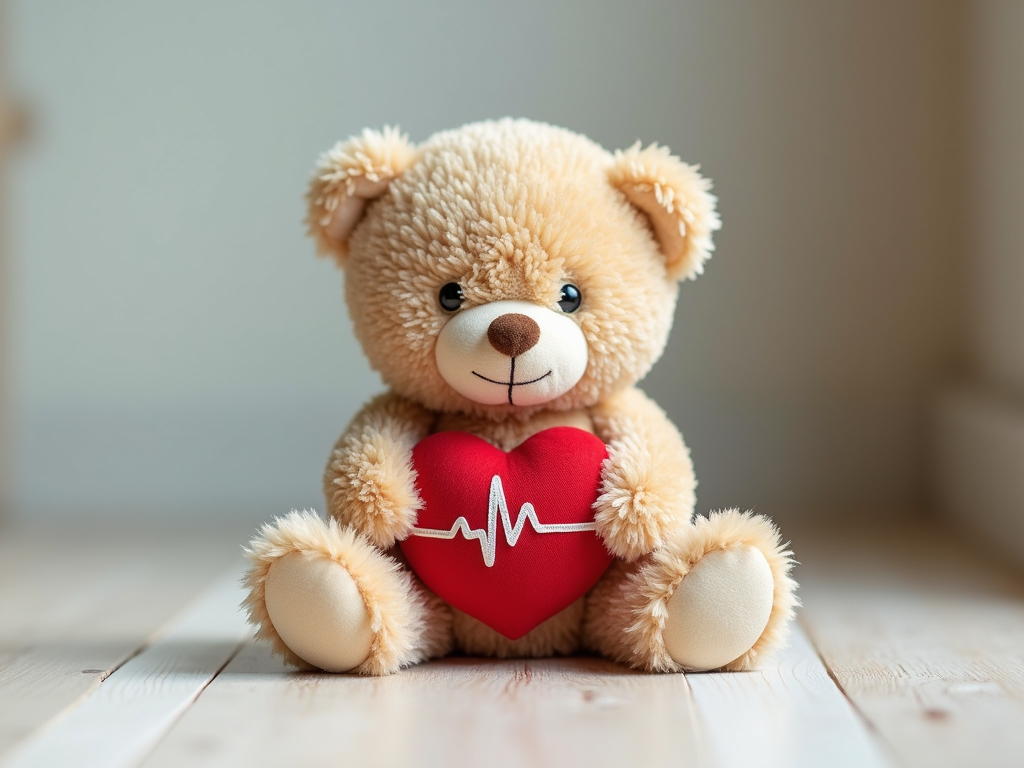
Healthcare providers are buying these things by the truckload. Not because some administrator thinks they’re cute—though fine, they’re stupidly adorable—but because the numbers don’t lie. These recording devices disguised as stuffed animals actually work.
We’re talking real data here. Measurable improvements in infant settling times. Reduced separation anxiety. Parents who finally stop death-gripping the incubator rails.
The revolution started small. A couple progressive NICUs experimenting. Now? Major pediatric units are writing heartbeat stuffed animals into their standard protocols. Insurance companies are taking notes. Developmental psychologists are publishing papers faster than babies can drool on these things.
And parents? They’re figuring out their baby’s heartbeat bear does way more than collect dust on a shelf.
Beyond Keepsakes: The Science Behind Heartbeat Bears in Modern Healthcare
Here’s what nobody tells you: NICUs started stocking heartbeat bears because preemies responded better to recorded maternal heartbeats than those fancy white noise machines.
That’s not sentiment talking. That’s hard science.
The wholesale deals between My Baby’s Heartbeat Bear manufacturers and hospitals didn’t happen because someone in purchasing had a thing for vintage sloths. They happened because nurses started noticing patterns. Babies with heartbeat animals settled 40% faster during the chaos of shift changes. Parents felt more connected during those endless NICU marathons.
The kicker? These aren’t even special medical versions. Same basic 20-second recording module you’d get at a baby shower. Same soft fabric that survives infinite wash cycles. Same battery that refuses to die despite constant baby spit attacks.
Dr. Sarah Martinez runs the program at Children’s Hospital Colorado—one of the first official ones. “Look, we were skeptical,” she told me. “Then we watched preemies maintain stable heart rates when their heartbeat bear was nearby during procedures. Can’t argue with vitals.”
Makes sense when you think about it. Babies marinate in mom’s heartbeat for nine months straight. It’s literally their first playlist. Yank that away suddenly—especially for preemies who left the womb party early—and you’ve got one confused tiny human.
The heartbeat teddy bear bridges that gap. Nobody’s saying it replaces skin-to-skin contact or actual humans. That’s not the point. But when mom’s recovering from surgery? When dad’s at work? When twins need attention simultaneously? That recorded heartbeat keeps doing its job.
The Sibling Connection Nobody Expected
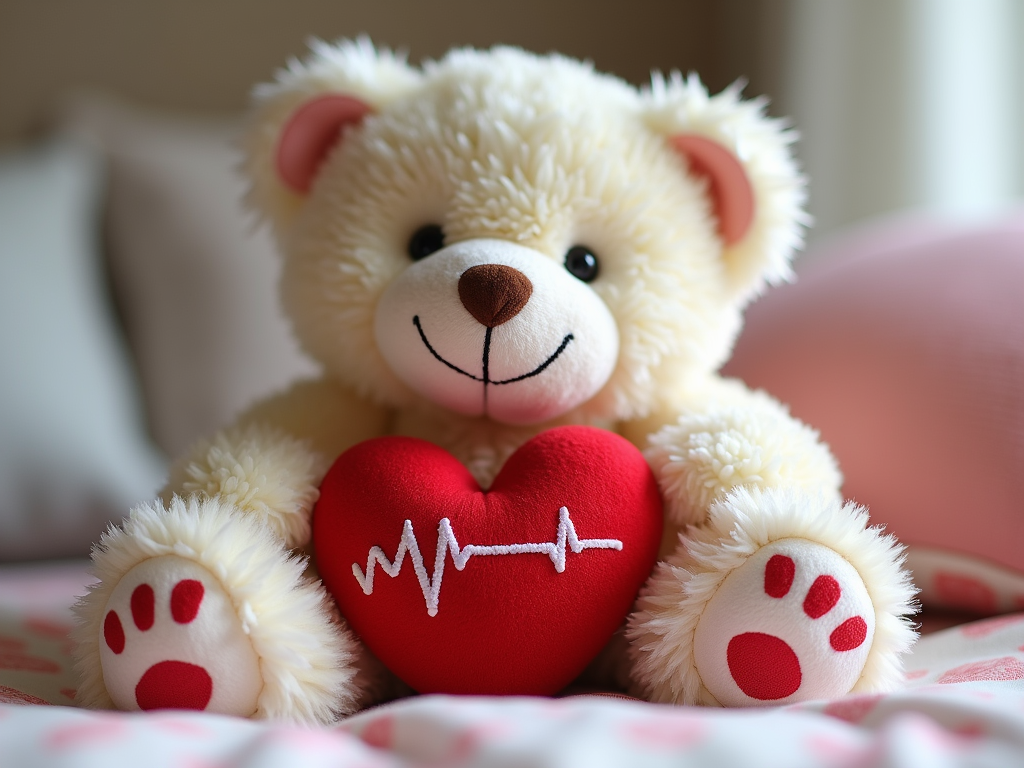
Pediatric units stumbled onto another benefit: siblings handle NICU visits better when they can hold the baby’s heartbeat animal.
It’s tangible connection when touching isn’t allowed.
One nurse told me about this four-year-old who carried his sister’s heartbeat bear everywhere during her two-month NICU stay. Kid would whisper stories to it. “For when she comes home,” he’d say.
Good luck explaining that value to an insurance company.
Recording Technology That Preserves More Than Memories: A Technical Deep Dive
Let’s tackle the paranoia. People freak out these recordings won’t last. Like somehow their kid will hit puberty and the heartbeat will sound like a dying moose.
Not happening.
Current 20-second heartbeat recorder modules are basically bulletproof. Change batteries seventeen times? Recording stays perfect. Accidentally wash it? If the bear survives, so does the heartbeat.
My Baby’s Heartbeat Bear cracked this code years ago. Their modules lock sounds digitally. No degradation. No static buildup. No slow transformation into garbage noise.
The game-changer is that free 30-day fetal doppler rental. You’re not trying to capture heartbeats with your iPhone pressed against mom’s belly like some amateur. You’re using legit medical equipment. Same gear your OB uses. Professional sound capture that grabs every lub-dub without the whooshing amniotic fluid soundtrack.
The Recording Process Nobody Explains Right
Week 20-24 is your sweet spot. Baby’s big enough for clear detection but not so squished that finding the heartbeat becomes a treasure hunt.
Doppler arrives. Gel up. Find that galloping rhythm. Hit record. Done.
The module slides into a velcro pouch inside your chosen heartbeat plush toy. Want the vintage sloth? Cool. Traditional teddy? Classic. They make dragons now, apparently. Because nothing says “soothing newborn” like a mythical beast playing your cardiac rhythm.
Battery life runs 3-4 months with regular use. Replacements cost less than your morning latte. The module itself transfers between animals if you decide the sloth needs retirement and the elephant deserves promotion.
Some families record multiple heartbeats. Twins, obviously. But also rainbow babies carrying both their heartbeat and their sibling’s. One family recorded grandma’s heartbeat before hospice. That bear lives in the nursery now. Three generations of hearts beating together.
The technical stuff isn’t complicated. Press button, hear heartbeat. The magic isn’t in the mechanism—it’s what happens when a screaming infant suddenly stops because they recognize home.
Healing Through Heartbeats: Supporting Families Through Loss and Trauma
Nobody wants this conversation. But it’s exactly why heartbeat bears matter most.
Miscarriage remembrance isn’t a marketing angle. It’s a lifeline.
That 20-second recording might be everything. One mother plays her lost baby’s heartbeat every morning. Seven years running. “People think I’m stuck,” she said. “I’m not stuck. This heartbeat proves my baby existed.”
Pregnancy loss support groups discovered something. Parents who recorded heartbeats before loss processed grief differently. Not better or worse—differently. They had something real. A sound that proved: this happened.
Hospital bereavement programs started including heartbeat animals in memory boxes. Not generic bears with pre-recorded ocean sounds. Actual recordings from actual babies. Even if that recording happened at 16 weeks. Even if it lasted days.
Rainbow Baby Complications
Rainbow baby transitions get messy. Parents torn between celebrating and remembering. The heartbeat stuffed animal pulls double duty. New baby gets comfort from their recorded heartbeat. Parents get continuity.
Some families use both heartbeats—lost baby and rainbow baby—in separate bears that live together.
NICU trauma creates its own mess. Parents living in medical settings for months, watching monitors, jumping at every beep. The heartbeat bear becomes portable peace. Dad holds it during midnight home feedings while mom stays hospital-side. Grandparents bond with a grandchild they can’t touch yet.
Postpartum support groups report something wild. Mothers with postpartum anxiety respond to their baby’s heartbeat bear almost like the actual baby. It grounds them. Proof of life when their brain suggests otherwise. The recording anchors reality: baby’s okay, heart’s beating, we survived.
One therapist prescribes heartbeat bears for birth trauma recovery. “The sound returns them to pregnancy, before everything went sideways. It’s a safe anchor point.”
These aren’t just keepsakes. They’re therapeutic tools. Ask any parent clutching a heartbeat bear in a hospital waiting room. Or placing one in a memory box. Or giving one to a sibling who doesn’t understand why the baby isn’t coming home.
The heartbeat keeps beating. Even when everything else stops.
Making Heartbeat Bears Work: Practical Integration Strategies
So you’ve got this heartbeat bear. Now what?
Timing matters. Recording during those golden weeks (20-24) gets you the clearest sound. But earlier works too. Later works. Hell, some parents record during labor. Whatever works.
Placement in the crib follows basic safety—nothing near baby’s face during sleep. But during supervised awake time? That bear can work magic. Tummy time with a heartbeat soundtrack. Diaper changes with familiar rhythms.
Washing requires minimal brain cells. Remove the module. Toss bear in washer. Replace module. The end. No special detergents. No delicate cycles. These things are built for baby life.
Multiple kids means multiple strategies. Older siblings often claim ownership of baby’s heartbeat bear. Let them. Order another one. The connection matters more than the specific stuffed animal.
Hospital Integration Tips
NICU parents: ask about heartbeat bear policies. More units allow them now, but rules vary. Some require new bears (infection control). Others are cool with whatever you bring.
Record backups. Seriously. Phone video of the doppler session. Voice memo of the heartbeat. Technology fails. Hearts don’t.
Siblings visiting NICU benefit from their own recording session. Let them use the doppler (supervised, obviously). Their excitement about “finding baby” creates connection before baby comes home.
For loss situations: record everything you can. Ultrasound sessions. Doppler checks. Even if you think you won’t want it later. Future you might desperately need those sounds.
Conclusion: The Revolution Is Real
Your baby’s heartbeat bear isn’t another nursery decoration collecting dust. It’s scientifically-proven therapeutic equipment that hospitals buy wholesale because it works.
The technology holds up—those 20-second recordings survive years of love, drool, and washing machine accidents. The applications stretch from NICU comfort to grief support to sibling bonding to anxiety management.
We’re past debating whether heartbeat stuffed animals matter. The evidence lives in pediatric units nationwide. The question now is maximizing their potential.
Whether you’re a healthcare provider exploring wholesale programs or a parent considering that free doppler rental, you’re not buying a toy. You’re investing in portable peace.
The heartbeat bear revolution already happened. And it sounds exactly like love.
Lub-dub. Lub-dub. Lub-dub.