
Why Some Parents Now Trust ChatGPT Over Doctors for Parenting Advice

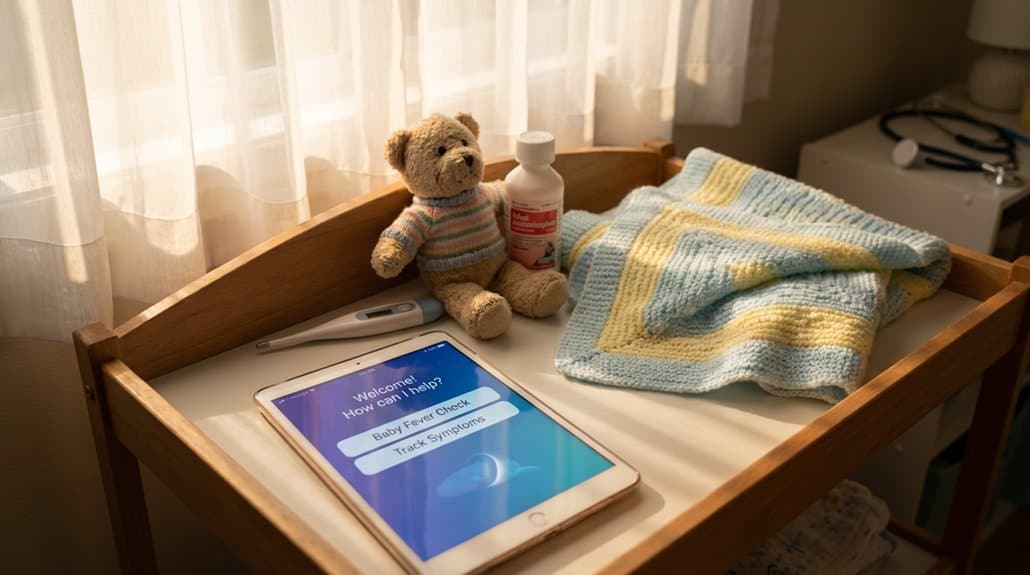
A University of Kansas study found that parents rated ChatGPT’s health advice as more trustworthy than content from actual human experts. The kicker? They couldn’t even tell which was which. Convenience is the big draw here—71% of parents have tried ChatGPT, with over half using it for parenting questions. Late-night fever? Parents want answers now, not a callback tomorrow. But researchers warn AI lacks personalized knowledge about individual kids, and the trust gap raises real concerns.
When did parents start trusting a chatbot over actual doctors? Apparently, right after ChatGPT launched.
A University of Kansas study dropped a bombshell. Over 100 parents, individuals aged 18 to 65, were asked to evaluate health texts about their kids. Some texts came from ChatGPT. Others came from actual human experts. The catch? Parents didn’t know which was which. The research, led by Calissa Leslie-Miller, focused specifically on texts about infant sleep training and nutrition.
The results are wild. Parents rated the AI-generated content as more trustworthy, more accurate, and more reliable than the expert stuff. No joke. When it came to over-the-counter medication advice specifically, the numbers got even crazier. ChatGPT scored considerably higher on trust metrics. Parents were more likely to actually rely on the chatbot’s recommendations for medication decisions.
So what’s going on here? Convenience, mostly. About 71% of parents have tried ChatGPT. More than half used it for parenting questions. They want answers at 2 a.m. when their toddler won’t sleep. They want instant responses about long division homework. They don’t want to wait for a doctor’s callback.
Here’s the thing though. ChatGPT doesn’t actually know anything about your specific kid. It lacks domain expertise. It can’t personalize advice. It sometimes just makes stuff up. The responses are one-size-fits-all, not evidence-based for individual situations. Researchers emphasize that AI should complement, not replace, human medical advice.
Experts are worried. Rightfully so. When parents can’t distinguish between AI content and actual medical expertise, that’s a problem. Especially for child health decisions where wrong information carries real consequences.
The study found no considerable differences in how parents perceived morality or expertise between sources. They literally couldn’t tell the difference. AI has integrated so subtly into information consumption that people don’t even recognize it anymore.
Researchers recommend treating ChatGPT as a helper for brainstorming ideas, not an authority. Use it to prep for doctor visits. Don’t use it to replace actual medical advice. Trust your instincts over the algorithm.
Also, maybe don’t feed sensitive details about your kids into AI systems. Privacy matters.
The bottom line? Parents are trusting robots over doctors for medication advice. That’s where we are now. Whether that’s progress or a problem depends on who you ask.