
How to Build Healthy Eating Habits in Kids Early

Most parents think they’re nutrition pros. They’re not. Kids consume triple the recommended sugar while parents wonder why vegetables get rejected faster than a bad WiFi connection. The problem? Juice boxes masquerading as healthy options, processed snacks ruling pantries, and portion sizes that would make a linebacker blush. Parents misread guidelines, skip vital supplements like vitamin D, and accidentally create future sugar addicts. The consequences aren’t pretty — obesity, diabetes, and grades that tank. There’s a better way forward.

The average American kid consumes enough sugar to make a dentist weep. Parents, it turns out, are terrible at figuring out what their children should eat. They miscalculate portion sizes, push processed snacks like they’re going out of style, and somehow miss the fact that little Johnny doesn’t need a juice box every five minutes.
The dietary guidelines are clear enough. Babies need breast milk or iron-fortified formula for the initial six months, then nutrient-dense foods. They need vitamin D supplements from birth. Simple stuff, really. But parents seem to have collective amnesia regarding these basics.
Most kids barely touch vegetables. Fruits? Maybe if they’re drowning in syrup. Whole grains might as well be foreign currency. Instead, children feast on a steady diet of processed snacks and sugary drinks. The irony? Parents often think they’re doing fine. Just like choosing a safe playground surface, selecting healthy foods requires careful consideration of your child’s wellbeing.
The health risks read like a horror story. Obesity, diabetes, hypertension. Iron, calcium, and vitamin D deficiencies everywhere. Kids who pack on pounds early tend to keep them forever. Fun times ahead.
Here’s the thing about early eating habits: they stick. A toddler who gets hooked on sugar will probably crave it as an adult. But expose that same kid to vegetables early and often, and they might actually eat them later. Wild concept.
Schools are ultimately catching on. By 2027-28, school meals will limit added sugars to less than 10% of weekly calories. Cereals, yogurt, and flavored milk are getting makeovers. It’s about time. Poor nutrition doesn’t just make kids fat – it tanks their grades and messes with their behavior.
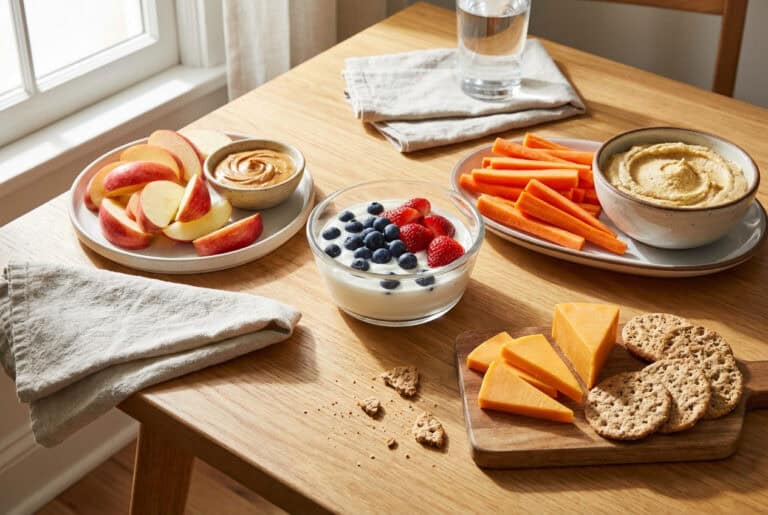
Parents who want to fix this mess have options. Regular meal times help. So does involving kids in cooking. Repeated exposure to new foods works better than bribes or threats. Keep sugary drinks out of the house. Stock whole foods instead of processed junk. The new dietary guidelines recommend plain drinking water as the primary beverage for children instead of juice or flavored drinks.
But most won’t change. They’ll keep buying the same garbage, wondering why their kids won’t eat broccoli. Meanwhile, the average American kid keeps consuming enough sugar to make that dentist weep.
Related Reading
- The Wild Truth About Small Batch Blackberry Jam—Why Invasive Berries Make It Better
- Why Restaurant-Style Fries Are Better Than Yours—And How to Cook Them Properly
- DASH Diet Recipes: Heart-Healthy Meals That Lower Blood Pressure
- The Shocking Truth About Voortman Bakery Cookies: Why Food Scientists Are Obsessed