Why Greek Yogurt Isn’t the Protein Powerhouse You Thought—5 Snacks That Beat It

Greek yogurt’s 15-20 grams of protein per serving? Not exactly groundbreaking. Cottage cheese crushes it with 24 grams. Protein bars pack 20-30 grams, though they’re basically candy in disguise. Even roasted chickpeas and lentil crisps compete. The straining process does double regular yogurt’s protein, sure, but it also strips calcium down to 150-200mg versus regular yogurt’s 300-450mg. That’s a lousy trade-off. Five everyday snacks deliver more protein punch without the hype.

Greek yogurt sits on grocery shelves like some kind of protein messiah, but the reality is more complicated. Sure, it packs 15-20 grams of protein per 8-ounce serving, which sounds impressive until you realize that’s just double what regular yogurt offers. Not exactly earth-shattering.
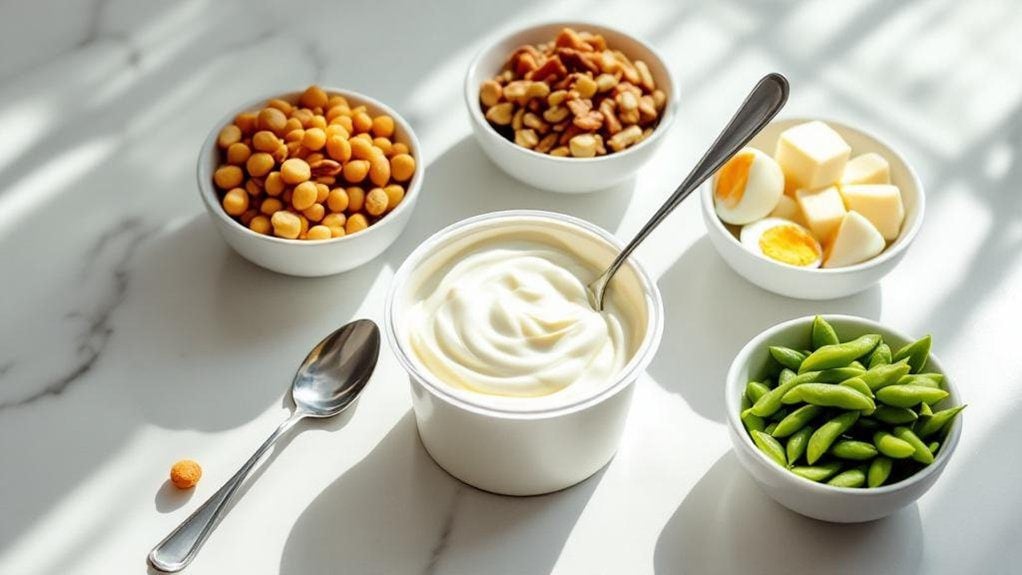
The straining process that creates Greek yogurt does concentrate the protein by removing whey. A typical 6-ounce serving of plain low-fat Greek yogurt delivers about 17 grams of protein. Decent, but not revolutionary. Icelandic Skyr matches these numbers, sometimes trailing slightly with 15 grams per 6-ounce serving. Some brands try harder—Chobani’s protein line hits 20 grams, but here’s the catch: that’s in a bigger 6.7-ounce tub. They’re not actually increasing protein density, just giving you more yogurt.
The trade-offs get interesting. Greek yogurt has fewer carbs, about 5-10 grams per cup compared to regular yogurt’s higher count. Sugar content drops to around 9 grams versus 17 grams in regular yogurt. Sounds great. But calcium takes a hit, dropping to 150-200 mg per cup while regular yogurt maintains 300-450 mg. Pick your battles, apparently.
Greek yogurt trades calcium for lower carbs—you can’t have everything, apparently.
Here’s where the protein powerhouse myth crumbles. Many commercial Greek yogurts come loaded with added sugars, basically sabotaging their own health credentials. Brands like Oikos Triple Zero try to compensate with 15 grams of protein and zero added sugar, sweetened with stevia instead.
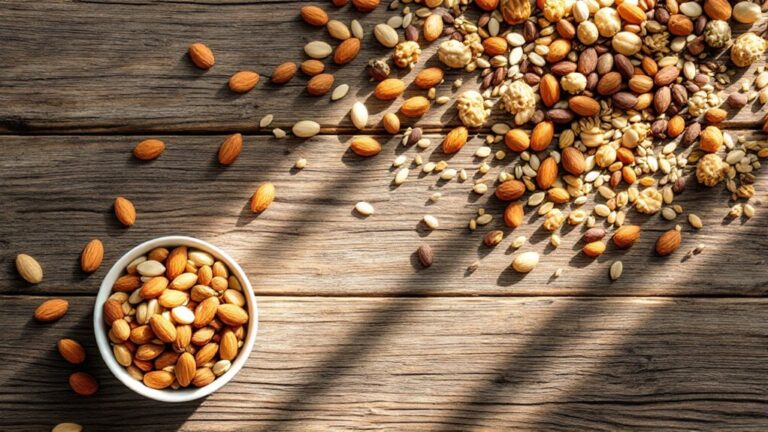
Too Good Zero Sugar offers 13 grams of protein without the sugar bomb. Still, these numbers pale next to actual protein-focused snacks. Want real protein? Grab some lean meat or poultry. Protein bars routinely deliver 20-30 grams per serving, making Greek yogurt look amateur. Roasted chickpeas, lentil crisps, even peanut butter pack serious protein without the dairy drama. Nuts and seeds bring protein plus healthy fats that keep you full longer. Cottage cheese blows Greek yogurt away with 24 grams of protein per serving, proving that even within dairy, better options exist.
The fat content in Greek yogurt swings wildly depending on the milk used. Whole milk versions pack considerably more fat than low-fat options. Greek yogurt’s tangy flavor comes from the straining process that concentrates the cultured milk proteins while removing the sweeter whey components.
And if you’re lactose intolerant? Greek yogurt might send you running unless it contains added lactase enzyme.
Greek yogurt isn’t terrible. It’s just not the protein champion everyone pretends it is.
Related Reading
- Why Skipping Breakfast Could Be Ruining Your Weight Loss—And What to Do Before Noon
- Kiwi, Not Fiber? New Diet Guidelines Reveal Best Fruit for Constipation Relief
- Exercise After Pregnancy: A Safe, Realistic Guide to Starting
- Maty’s Healthy Products Is Gone: Here’s Your Survival Guide for Natural Health Independence
This article is for general informational purposes only and isn’t a substitute for professional medical advice. Every family and body is different, so please check with a qualified healthcare provider before making decisions about your health or your family’s health.