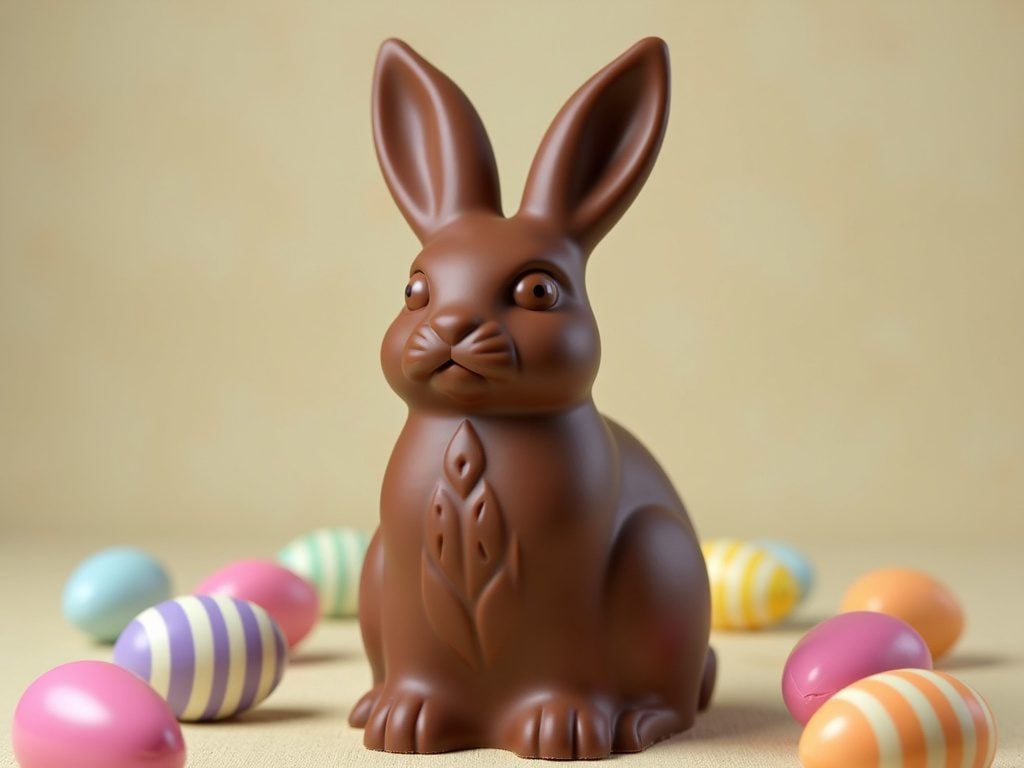
Why Your Kid Still Remembers That One Chocolate Easter Bunny (And The Science Behind It)

Here’s a weird fact: 73% of adults can describe a specific childhood Easter memory involving chocolate, but only 12% can remember what they got for their 10th birthday.
That’s not random. There’s actual neuroscience at play when your brain decides which chocolate bunny gets filed under ‘core memory’ and which one gets tossed in the mental trash.
And yeah, it matters. Because while you’re standing in the candy aisle, maybe eyeing everything from classic hollow bunnies to novelty treats from places like Rekt Eddie’s Gummies & Yummies, debating between the $3 hollow bunny and the $25 artisan one, you’re really choosing between forgettable sugar and legitimate childhood magic.
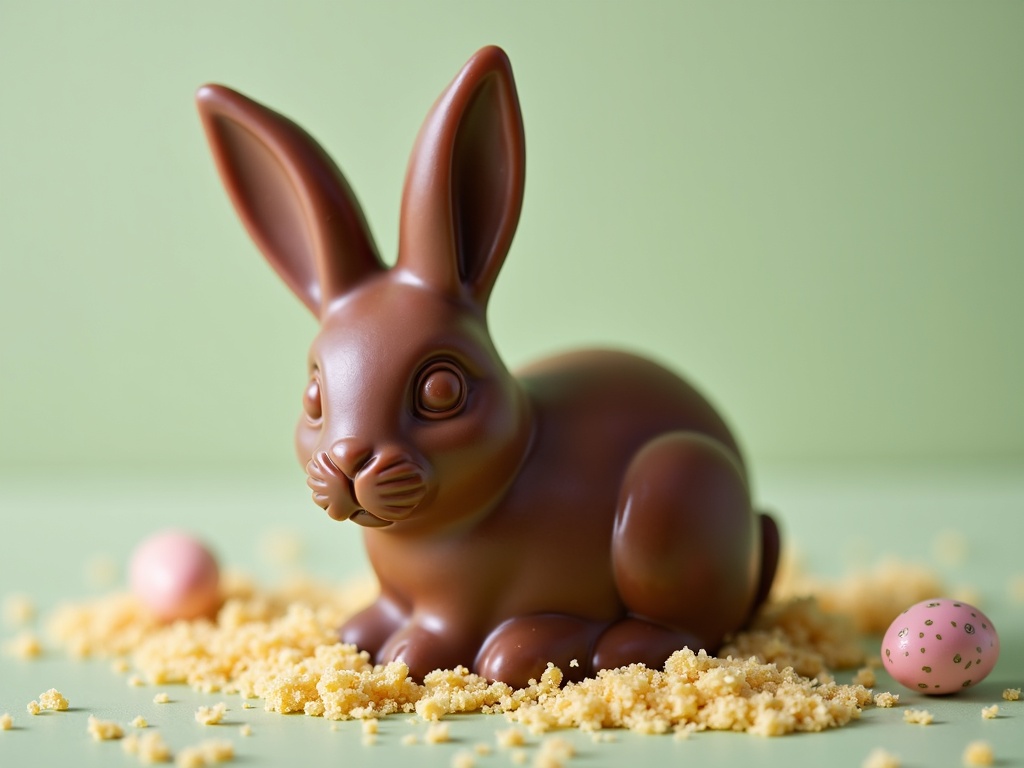
The kicker? The expensive one isn’t always the winner. Sometimes a Kinder bunny with a 50-cent plastic toy inside beats a handcrafted Belgian chocolate masterpiece.
Welcome to the bizarre psychology of chocolate Easter bunny surprises, where your brain’s reward system gets hijacked by a combination of anticipation, texture, and tiny collectible figurines.
The Neuroscience of Easter Morning: How Surprise Chocolate Bunnies Trigger Joy
Your brain on chocolate is already a party. Add surprise to the mix? That’s when things get wild.
When a kid (or let’s be real, an adult) breaks open a chocolate bunny with surprise inside, three different neural pathways light up simultaneously. First, there’s the chocolate hit – cocoa triggers dopamine release, the same chemical that makes you check your phone 47 times a day. Then comes the surprise element, which activates your brain’s prediction error system. That’s fancy neuroscience talk for ‘holy crap, I wasn’t expecting that.’
Finally, if there’s a collectible inside – like those surprise filled chocolate bunny capsules with tiny figurines – you get a third hit from the collecting instinct hardwired into our hunter-gatherer brains.
Triple whammy. Your brain basically throws a chemical rave.
This is why my 42-year-old neighbor still has a shoebox full of Kinder toys from the ’90s. Not joking. The guy’s a tax attorney with three kids, and he guards those plastic dinosaurs like they’re gold bars. That’s not nostalgia talking – that’s legitimate neurochemistry.
The combination of chocolate pleasure, surprise anticipation, and collecting satisfaction creates what researchers call ‘enhanced memory consolidation.’ Translation: your brain decides this moment is worth keeping forever.
Compare that to a regular chocolate bar. Nice dopamine hit, sure. But no surprise, no collecting, no enhanced memory. Just sugar that you forget by Tuesday.
The breakable chocolate bunny trend taps into this same wiring. Smash the bunny, candy spills out, brain goes nuts. It’s basically controlled destruction with a sugar reward. Genius marketing or accidental neuroscience? Both, probably.
But here’s where it gets interesting – not all surprises are created equal.
Beyond Hollow vs. Solid: The Evolution of Chocolate Easter Bunny Surprises
Let me blow your mind: hollow chocolate easter bunny surprise products aren’t the only game in town anymore. That outdated thinking is what your grandma believed in 1987.
Today’s chocolate bunny surprise game has evolved into something borderline ridiculous. And profitable.
Take the breakable chocolate bunny trend. These things are solid chocolate sculptures designed to be destroyed. You literally take a hammer to a $15 bunny and candy explodes everywhere. It’s therapeutic destruction meets sugar rush. My sister bought one last year, and her kids spent 20 minutes just staring at it before they worked up the courage to smash it. The anticipation alone was worth the price tag.
Then there’s Lake Champlain’s three-pound luxury chocolate easter bunny surprise. Three. Pounds. This isn’t a bunny; it’s a chocolate monument. No plastic toys inside – just pure, excessive chocolate engineering. The surprise is that anyone actually finishes eating it.
Some artisan chocolatiers hide surprises in solid bunnies using hidden cavities. They inject caramel, pack in truffles, or create maze-like channels filled with popping candy. One boutique in Vermont makes a milk chocolate easter bunny surprise that looks completely solid until you bite into it and find layers of different chocolate percentages. It’s like chocolate archaeology.
Even mass-market brands are getting weird with it. Russell Stover has chocolate bunny with candy filling. Lindt does ones with their truffle balls inside. Godiva went full luxury with gold-wrapped chocolate easter gifts containing champagne-flavored ganache. Because apparently, regular chocolate isn’t fancy enough anymore.
The real innovation? Customizable surprise bunnies. Some chocolatiers let you pick what goes inside – gummy bears for kids, espresso beans for adults, or CBD gummies for the anxious millennial in your life. One shop in Portland even does prescription pill replicas made of sugar. Dark humor meets dark chocolate easter bunny surprise.
But before you drop $50 on an artisan bunny filled with hand-harvested sea salt, let’s talk about the expensive mistake everyone makes.
The Gift Psychology Trap: Why Premium Doesn’t Always Mean Memorable
Here’s an uncomfortable truth: that $45 Thorncrest Farm handmade bunny might be incredible chocolate, but your 7-year-old literally doesn’t care. They want the chocolate bunny with toys inside. Every. Single. Time.
I learned this the hard way. Bought my nephew a gorgeous Belgian chocolate bunny from a fancy chocolatier. Single-origin cocoa, hand-piped details, came in a wooden box. Kid unwrapped it, said ‘cool,’ ate one ear, then went back to playing with the 37-cent bouncy ball his sister gave him.
Meanwhile, his friend got a grocery store surprise egg chocolate bunny, found a tiny skateboard toy inside, and talked about it for three weeks straight.
The psychological disconnect is brutal. Adults value quality, craftsmanship, and subtle flavor notes. Kids value surprise, interaction, and bragging rights. A premium bunny delivers on adult values. A chocolate easter bunny surprise for kids delivers on kid values. Guess which one creates lasting memories?
But here’s the twist – it flips for adults. Give a grown-up a Kinder bunny and they’ll appreciate the nostalgia for about 30 seconds. Give them a gourmet chocolate easter bunny or a booze-infused artisan bunny? That’s Instagram content. That’s office bragging rights. That’s an experience worth remembering.
The sweet spot depends on your audience:
- Teenagers want quantity and shock value. The breakable bunnies kill it with this demographic.
- Twenty-somethings dig ironic appreciation for childhood favorites mixed with actual good chocolate. Kinder wins again, weirdly.
- Thirty-plus crowd wants premium chocolate with sophisticated surprises. Think sea salt caramel, not plastic toys.
The biggest mistake is assuming price equals impact. A $3 drugstore chocolate easter bunny surprise can demolish a $30 gourmet bunny in the memory department. It’s not about the chocolate. It’s about matching the surprise to the person.
So how do you actually pick the best chocolate easter bunny with surprise without playing psychological roulette?
The DELIGHT Framework: Matching Surprises to People
Forget everything you think you know about buying Easter chocolate. Here’s a framework that actually works:
- Demographic matters. Age isn’t just a number when it comes to chocolate preferences.
- Expectation setting is crucial. Build anticipation or let the surprise hit cold.
- Lasting value beats momentary pleasure. Will they remember this in 20 years?
- Interaction creates connection. Can they do something with it besides eat it?
- Genuine surprise trumps predictable luxury. Unexpected beats expensive.
- Humor and personality seal the deal. Match the bunny to their vibe.
- Timing amplifies impact. Easter morning hits different than random Tuesday.
Let me show you how this works in practice.
For the 6-year-old collector: Get a chocolate bunny with surprise inside that includes collectibles. Those Kinder surprise filled chocolate bunny options with the toy series? Gold. They’ll eat the chocolate in 3 minutes but play with that toy for months.
For the stressed parent: A dark chocolate easter bunny surprise filled with liqueur-infused truffles. Not because they need alcohol (okay, maybe), but because it’s an adult indulgence disguised as a kid’s treat. Subversive luxury.
For the Instagram-obsessed teen: Breakable chocolate bunny all day. The smashing video alone is worth the price. Add colorful candy inside for maximum visual impact. They’ll post it, tag their friends, and remember it forever.
For the nostalgia-driven millennial: Retro packaging with modern twists. Think classic hollow chocolate easter bunny surprise but filled with Pop Rocks or those weird sour candies from the ’90s. Childhood meets adulthood in chocolate form.
Where to Buy Chocolate Easter Bunny Surprise Options That Actually Deliver
Time for some real talk about where to buy chocolate easter bunny products that won’t disappoint.
If you’re looking for chocolate easter bunny surprise near me options, skip the drugstore unless you’re specifically going for Kinder. Those sad Palmer bunnies wrapped in foil? They taste like disappointment and regret. The chocolate’s barely chocolate, and there’s no surprise unless you count ‘surprisingly bad.’
For chocolate easter bunny surprise online shopping, here’s what actually works:
- Amazon has decent selection but watch the shipping dates. Nothing ruins Easter like a melted bunny. Prime members get better chocolate easter bunny surprise delivery options, but read reviews carefully. The algorithm pushes sponsored garbage.
- Etsy kills it for artisan chocolate bunny surprise options. Small chocolatiers doing weird, wonderful things. Found one last year that made anatomically correct chocolate bunny hearts filled with raspberry ‘blood.’ My goth cousin lost her mind.
- Williams Sonoma for when you want to order chocolate easter bunny surprise products that scream ‘I have my life together.’ Their curated selection leans premium but predictable. Good for in-laws, boring for kids.
- Local chocolatiers remain undefeated for personalized chocolate easter bunny surprise options. They’ll customize surprises, use quality chocolate, and you’re supporting small business. Triple win.
Pro tip: If you’re buying chocolate easter bunny surprise for toddlers, go simple. They don’t need a $30 artisan masterpiece. They need something they can destroy without you crying about wasted money.
The Science of Making Easter Memories That Stick
Here’s what neuroscience tells us about creating lasting Easter memories: surprise beats size, interaction beats consumption, and anticipation beats instant gratification.
Dr. Antonio Damasio’s research on emotional memory shows that experiences tied to multiple senses create stronger neural pathways. A chocolate bunny with surprise inside hits taste (chocolate), touch (breaking it open), sight (discovering the surprise), and often sound (crinkling wrapper, cracking chocolate).
That’s four out of five senses engaged. Your brain basically has no choice but to remember it.
The ‘Peak-End Rule’ discovered by psychologist Daniel Kahneman explains why the surprise moment matters more than the chocolate quality. People remember the most intense point (finding the surprise) and the end (playing with the toy or savoring the last truffle) more than the overall experience.
This is why a white chocolate easter bunny surprise with a perfect toy beats a premium bunny every time for kids. The peak moment of discovery overshadows everything else.
For adults, the peak might be different – that first bite of sea salt caramel, the moment they realize it’s filled with their favorite liqueur, or the Instagram likes rolling in from their breakable bunny video.
The anticipation factor can’t be ignored either. Building up to the surprise filled chocolate bunny creates what researchers call ‘savoring’ – the neurological process of extracting maximum pleasure from future events. Kids who shake their chocolate bunny gift set trying to guess what’s inside are literally increasing their eventual joy response.
Common Chocolate Easter Bunny Surprise Mistakes (And How to Avoid Them)
- Mistake #1: Buying sugar free chocolate easter bunny surprise options for kids. Unless there’s a medical reason, don’t be that person.
- Mistake #2: Assuming organic chocolate easter bunny surprise automatically means better.
- Mistake #3: Getting the same thing every year. Your brain literally stops recording repeated experiences.
- Mistake #4: Ignoring storage temperature. That luxury chocolate easter bunny with surprise becomes a melted mess if stored wrong.
- Mistake #5: Buying based on your preferences, not theirs.
- Mistake #6: Forgetting about allergies until the last minute.
The Future of Chocolate Easter Surprises (It’s Weirder Than You Think)
The chocolate bunny industry isn’t slowing down. If anything, it’s getting more unhinged.
Coming trends based on industry reports:
- Augmented Reality Surprises: QR codes on chocolate bunnies that unlock digital experiences.
- Sustainable Surprise Packaging: Edible wrappers, plantable packaging, biodegradable containers.
- Collaborative Surprises: Bunnies with hidden compartments requiring teamwork.
- Subscription Surprise Services: Monthly chocolate bunny deliveries with new surprises.
- AI-Customized Surprises: Algorithm-picked fillings based on individual preferences.
- Temperature-Reactive Surprises: Chocolate that reveals messages or changes color as it melts.
The wrapped chocolate easter bunny is evolving faster than anyone expected. What started as simple hollow chocolate has become an entire experience industry.
Conclusion: The Memory-Making Truth About Chocolate Bunnies
Look, the chocolate Easter bunny industry has figured out something most gift-givers haven’t: memories aren’t made from cocoa percentages. They’re made from moments of unexpected delight.
Whether that’s a 5-year-old discovering a tiny plastic dinosaur in their chocolate bunny with toys inside or a 35-year-old finding whiskey-infused ganache in their decorated chocolate bunny, the surprise is what sticks. Not the chocolate.
Your brain is wired to remember prediction errors way more than predictable pleasures. That’s just how we’re built. Use it.
Stop buying chocolate bunnies based on what you think people should want. Buy based on what will genuinely surprise them. Kid who loves collecting? Kinder bunny, every time. Stressed-out mom friend? Get the one filled with champagne truffles. Teenage chaos agent? Breakable bunny with a hammer.
The DELIGHT framework isn’t just clever marketing – it’s acknowledgment that chocolate bunnies are delivery vehicles for experiences, not just sugar. Once you get that, the whole game changes.
Your move: grab your list of Easter people and actually think about what would surprise each one. Then buy chocolate easter bunny surprise options accordingly. Because 20 years from now, nobody’s going to remember the fancy Belgian chocolate. But they’ll definitely remember the bunny that made them go ‘holy crap, I wasn’t expecting that.’
That’s the science. That’s the psychology. That’s why some chocolate Easter bunnies become legend while others become landfill.
Make it count.