

The Secret Life of Your Argentina Box: How I Turned $39 Into 5 Restaurant-Quality Dinners

Listen, I get it. You buy a Try The World Argentina box expecting some alfajores and maybe a jar of dulce de leche. You tear it open, munch on the snacks, and that’s that. Forty bucks for a sugar rush.
But here’s what nobody tells you: those boxes are secretly loaded with actual meal ingredients. Not just snacks. Real cooking stuff.
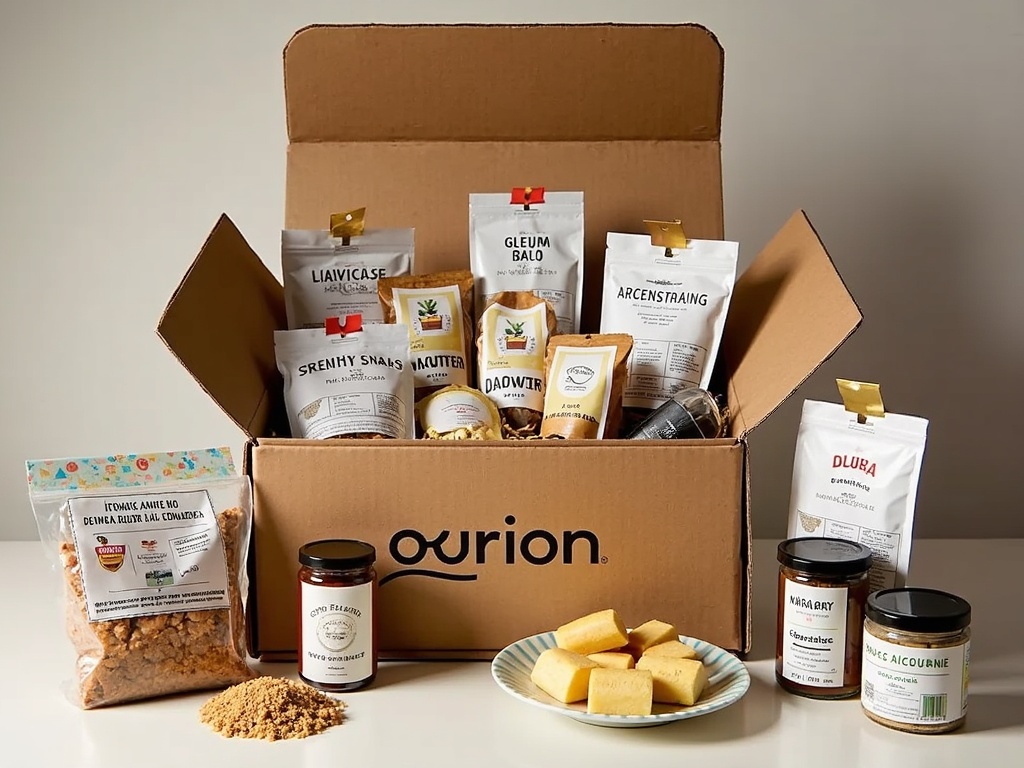
Last month, I discovered my Argentina box contained chimichurri sauce, exotic spices, and cooking ingredients I’d been overlooking for years. Yeah, years. Turns out I’d been treating these boxes like vending machines when they’re more like recipe kits in disguise.
The real kicker? Every Try The World Argentina box ships with cultural guides and playlists that most people toss aside. Those aren’t just filler. They’re your roadmap to turning one box into five legit dinner experiences. I’m talking full-on Argentine nights that’ll make your friends think you studied abroad in Buenos Aires.
The math is stupid simple: $39 for the box, maybe $15 in fresh ingredients from your local store, and boom—you’re feeding six people authentic Argentine cuisine for less than the cost of one restaurant meal.
The Hidden Potential: More Than Just Argentine Snacks in a Box
Let me blow your mind real quick. That chimichurri sauce in your Argentina food box? It’s not a condiment. It’s the foundation of an entire asado experience. Most people drizzle it on some chicken and call it a day. Wrong move.
See, Argentina boxes follow a pattern. They ship bi-monthly, and each curation includes at least three meal-building ingredients disguised as specialty items. The October 2023 box, for instance, packed cornflour for making fresh alfajores from scratch. Not just eating them. Making them.
The cultural guide tucked in the corner? It explains exactly how Argentine families use these ingredients for Sunday dinners. I started tracking what comes in these boxes. Mate tea isn’t just a beverage—it’s a social ritual that Argentines use to kick off dinner parties. Those exotic spice blends? They’re specifically chosen for empanada fillings and meat rubs. Even the chocolate bars have cooking applications in traditional Argentine desserts.
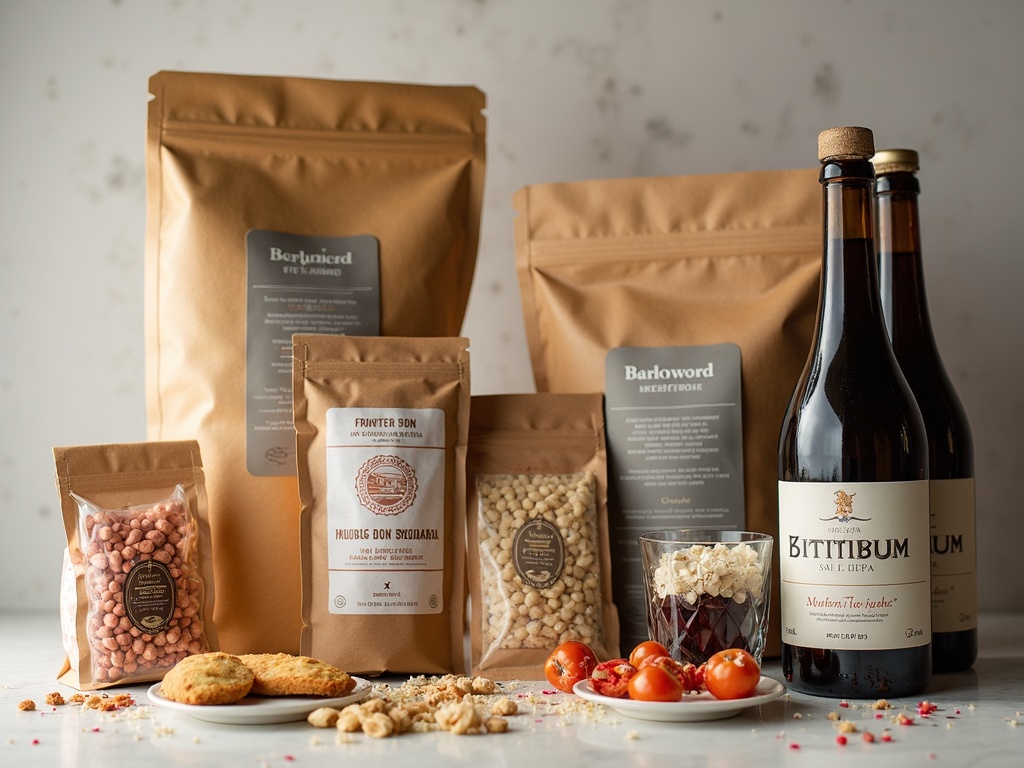
Here’s what kills me: reviews focus on taste-testing individual items like they’re judging a snack competition. Meanwhile, Try The World’s Argentine curators—actual people living in Buenos Aires—are basically sending you a dinner party kit. They’re not random selections. These are strategic combinations.
The yerba mate pairs with the alfajores for afternoon tea service. The chimichurri works with local meats for asado. The dulce de leche becomes dessert sauce, cake filling, or coffee sweetener. One box, multiple experiences.
Most subscribers miss this because nobody explains the system. You’re not buying an Argentina snack box. You’re buying ingredients that Argentine home cooks actually use. Once you see the pattern, you can’t unsee it.
So what exactly can you make with these strategic ingredient combinations? Let me show you five complete dinner experiences I’ve pulled off.
5 Complete Argentine Dinners from One Argentina Subscription Box
Asado Night: The Argentine BBQ Experience
First up: Asado Night. This is Argentina’s answer to BBQ, except classier. Your chimichurri sauce is the star here. Grab some flank steak from your local butcher—nothing fancy, maybe $12 worth. The box’s spice blend becomes your meat rub.
Set up your mate tea station as guests arrive. That’s how real Argentine hosts do it. Sip mate while the meat grills. The ritual matters. Pass the gourd clockwise, never stir the yerba with the bombilla. These details are in that culture guide everyone ignores.
Serve with crusty bread and a $15 Malbec from your local wine shop. Total cost per person? Under eight bucks. Compare that to the $45 Argentine steakhouse downtown.
Buenos Aires Café Experience
Next: Buenos Aires Café. Those alfajores in your Argentina treats box aren’t just cookies—they’re the cornerstone of Argentine café culture. Brew the box’s coffee strong, Argentine-style. That means espresso-strength in small cups, not your usual mug of brown water.
Arrange the alfajores on proper plates. Use that dulce de leche as a spread for medialunas (grab croissants from your bakery, same thing). Play the included Spotify playlist. You’ve just recreated a Puerto Madero café for six people at $7 each.
The trick? Timing. Argentines do café at 5 PM, not with breakfast. Set your table with small spoons, tiny cups. Make it an event, not just coffee and cookies.
Patagonian Mountain Feast
Third dinner: Patagonian Feast. This one surprised me. The Argentina gourmet box often includes regional specialties like Patagonian fruit preserves or mountain herbs. Pair these with roasted lamb (or chicken if you’re budget-conscious). The fruit preserves become glazes. Those herbs? Incredible on roasted vegetables.
Add a Torrontés wine—Argentina’s secret white wine weapon. Most Americans never heard of it, but it’s perfect with this meal. The whole spread costs maybe $10 per person.
Pampas Ranch Dinner
Fourth: Pampas Ranch Dinner. Think cowboy food, Argentine style. Use the Argentina spice box seasonings to make empanada filling with ground beef and hard-boiled eggs. The technique’s in that culture guide: fold the dough thirteen times for authentic repulgue edges.
The mate tea gets passed around between courses, following the traditional clockwise ritual. No talking during the first round—another detail from the guide. Finish with flan using the dulce de leche. Simple ingredients, maximum impact.
Tango Night: The Late-Night Experience
Last one: Tango Evening. This is where that culture guide earns its keep. Set up a traditional Argentine dinner timeline—yes, they eat at 10 PM. Not 6 PM like your grandma.
Start with picada (appetizer board) using the box’s crackers and spreads. Main course uses whatever meat rub came in your Argentina cooking box. Dessert features those Argentine chocolate box bars melted into hot chocolate with a splash of rum.
Play tango music. Serve everything late. It’s not just dinner; it’s theater. Your guests won’t forget it.
But here’s what really gets me—every one of these dinners directly supports Argentine artisans most Americans will never meet.
Supporting Argentine Artisans Through Your Argentina Box Delivery
Real talk: those alfajores in your box? They’re made by a family business in Córdoba that’s been perfecting the recipe since 1982. I know because Try The World includes producer info on those little cards everyone throws away.
The chimichurri comes from a women’s cooperative outside Buenos Aires. These aren’t mass-produced items from some factory. Try The World connects directly with small Argentine producers who face massive export challenges.
Shipping food from Argentina isn’t exactly simple. There’s paperwork, regulations, preservation requirements. Most small producers can’t navigate that alone. The Argentina subscription box model gives them consistent orders and handles the logistics. Your $39 doesn’t just buy treats from Argentina. It keeps these businesses running.
Want to amplify your impact? Order strategically. The bi-monthly schedule means ordering in October gets you holiday specialties. March boxes include harvest season products. Timing matters because seasonal items support producers when they need sales most.
Here’s another move: share your dinner experiences on social media with #ArgentinaBoxDinner. Sounds cheesy, but visibility drives subscriptions. More subscribers mean larger orders for those family businesses.
I’ve watched the Argentine producers featured in my boxes expand their operations over three years of ordering. One dulce de leche maker went from kitchen production to a small factory. The mate tea supplier added two employees. These aren’t feel-good stories. They’re real economic impacts.
You can also request specific producers when you contact Try The World. They actually listen. I’ve gotten boxes with extra items from artisans I wanted to support again. Customer service confirmed they note these preferences.
The best part? Quality improves when producers have stable income. My recent boxes included premium items like hand-rolled alfajores and small-batch chimichurri that weren’t available two years ago. Success breeds success.
Supporting these artisans isn’t charity. You’re getting better products while they build sustainable businesses. Everyone wins.
Conclusion: Your Argentina Box Action Plan
Look, I’ve been doing this Argentina box thing for three years now. What started as occasional snack deliveries turned into my favorite way to host dinners.
The transformation is simple once you see it: stop treating your Try The World Argentina box like a one-time snack sampler. Start seeing it as five dinner parties waiting to happen.
Inventory your ingredients, match them to meal experiences, grab a few fresh items locally, and activate those cultural materials everyone ignores. Document it, share it, inspire others to support Argentine artisans.
Your next move? Order a box timed with your next dinner party or celebration. Use the bi-monthly schedule strategically. October for holidays, March for harvest specialties. Build your collection of international dinner experiences while directly supporting families in Córdoba, Buenos Aires, and beyond.
Trust me, once you nail your first Argentine asado night for under $50 total, you’ll wonder why anyone still pays restaurant prices for the same experience.
The best Argentina box isn’t just about what’s inside. It’s about what you create with it.