Thanksgiving Kitchens Turn Dangerous — Doctors Warn Holiday Cooking Burns Are Easily Avoidable

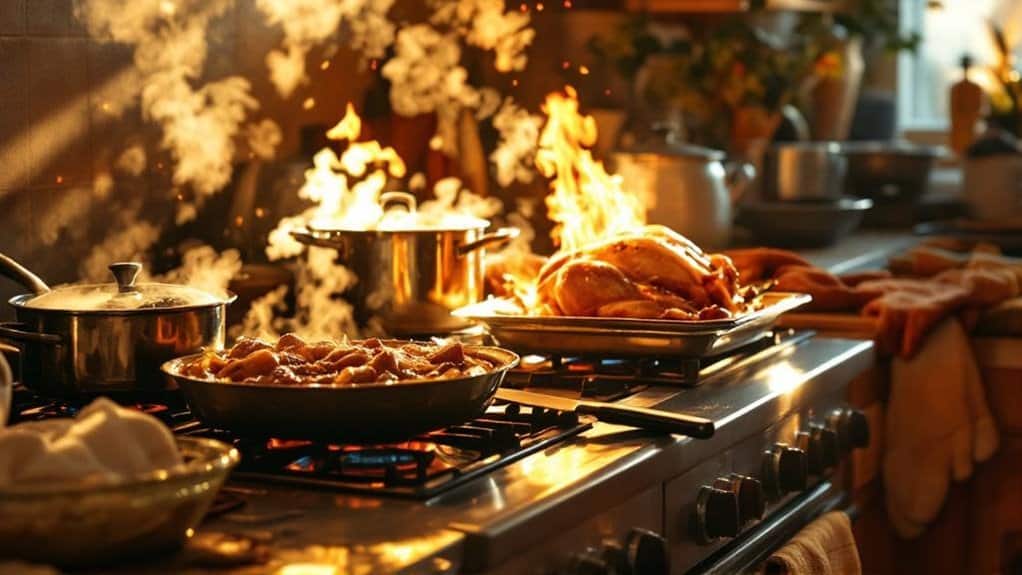
Thanksgiving kitchens turn into chaos every year. Cooking fires spike 297%, sending between 1,160 and 1,630 homes up in flames nationwide. Emergency rooms overflow with burns, cuts, and scalds from unattended stoves, turkey fryer explosions, and basic kitchen accidents. Three-quarters of residential fires start where the turkey’s cooking. Doctors treat everything from sleeve burns to fryer disasters that happen when people get distracted by doorbells and football. The real kicker? Most of these disasters are completely preventable.
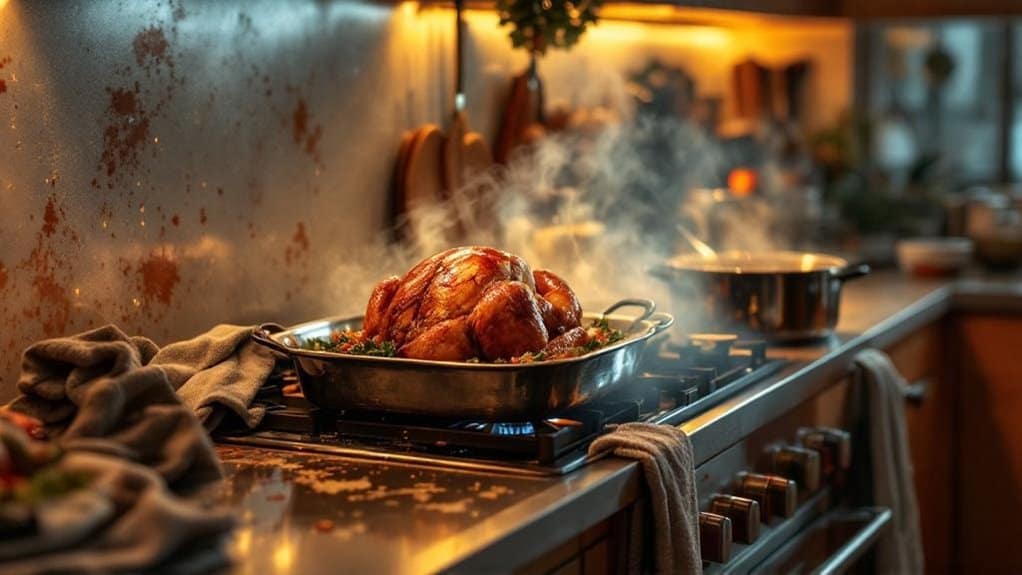
While most Americans are focused on perfecting their turkey and arguing with relatives, Thanksgiving kitchens are quietly becoming fire hazards. The numbers are shocking. Cooking fires spike 297% on Thanksgiving compared to any regular day, with somewhere between 1,160 and 1,630 blazes erupting across the country. That’s not a typo.
Three-quarters of all Thanksgiving residential fires start in the kitchen. The culprit? People walking away from hot stoves. It’s that simple, that preventable, and that common. Unattended cooking kills more people on Thanksgiving than any other cooking-related cause. Yet every year, hosts get distracted by doorbell rings, football games, or Uncle Jerry’s political rants, leaving burners on and food burning.
Unattended cooking kills more people on Thanksgiving than any other cooking-related cause.
The chaos isn’t limited to fires. Emergency rooms see a parade of burns, cuts, and scalds throughout the day. Kids reach for knife handles hanging off counters. Pets knock over hot dishes. Adults wearing flowing sleeves lean over open flames. Doctors report treating everything from grease burns to deep cuts from carving accidents, most of which could’ve been avoided with basic precautions. Keeping children at least three feet away from the stove could prevent many of these painful incidents.
Turkey fryers deserve their own horror category. These oil-filled death traps cause devastating burns and property damage every single year. The oil reaches temperatures that can instantly ignite, turning a backyard into an inferno. Some people actually use them indoors or in garages, risking carbon monoxide poisoning on top of third-degree burns.
Then there’s food poisoning, the gift that keeps on giving. Bacteria multiply fast when turkey sits at room temperature while Aunt Martha tells her third story about her cats. Cold food warms up, hot food cools down, and somewhere in that danger zone between 40°F and 140°F, salmonella throws a party. Cross-contamination introduces another layer of risk when the same cutting board gets used for raw turkey and then vegetables. Most home cooks don’t realize they need a food thermometer to verify their turkey has reached the safe internal temperature of 165°F.
Fire departments and emergency rooms brace for impact every fourth Thursday in November. They stock extra supplies, call in additional staff, and prepare for the inevitable surge. Most of these emergencies share one trait: they’re completely avoidable.
But tradition, distraction, and overconfidence create a perfect storm in kitchens across America.
Related Reading
- Why Deep Frying a Turkey Could Be the Most Dangerous Thing You Do This Thanksgiving
- Why These Gooey Hot Chocolate Cookies Make Regular Chocolate Chip Look Boring
- DASH Diet Recipes: Heart-Healthy Meals That Lower Blood Pressure
- The Shocking Truth About Voortman Bakery Cookies: Why Food Scientists Are Obsessed