
How Olaf’s Frozen Adventure Bombed in Theaters and Became Disney’s Secret Streaming Weapon

Here’s something Disney doesn’t want you to remember: They once yanked a Frozen movie from theaters because audiences were literally complaining.
Not because it was bad. Because it was in the wrong place at the wrong time.
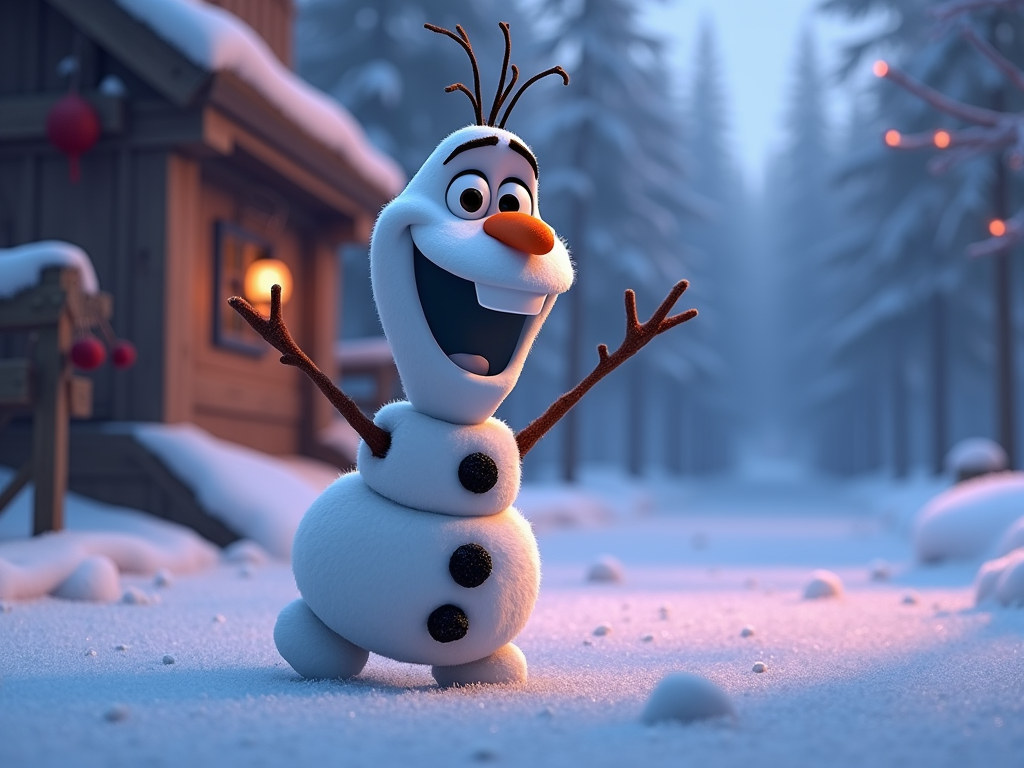
In November 2017, families sitting down to watch Pixar’s Coco got an unexpected surprise—a 22-minute Frozen featurette that felt longer than some dental procedures. Theater managers fielded complaints. Some locations pulled it entirely.
Disney, the company that can do no wrong, had screwed up.
But here’s where it gets interesting. That same ‘failed’ content? It’s now one of Disney+’s most-watched holiday specials. Year after year. The numbers don’t lie—what bombed in theaters became streaming gold.
This isn’t just another feel-good Disney story. It’s a masterclass in how context completely changes content reception. And if you create content, sell products, or wonder why some things succeed while others fail, you need to understand what really happened with Olaf’s Frozen Adventure.
The Coco Controversy: When 22 Minutes Felt Like Forever
Let me paint you a picture.
It’s Thanksgiving 2017. You’ve dragged your kids to see Coco, Pixar’s Day of the Dead masterpiece. The lights dim. And then… Olaf appears.
For 22 minutes.
That’s not a typo. Twenty-two minutes of Frozen content before the movie you actually paid to see.
Parents checked their watches. Kids got restless. Some theaters reported audiences thought the projector was broken and showing the wrong film.
The backlash was swift and brutal. Social media lit up with complaints. ‘I didn’t pay to see a Frozen commercial,’ one parent tweeted. Theater chains started receiving formal complaints—something that almost never happens with Disney releases.
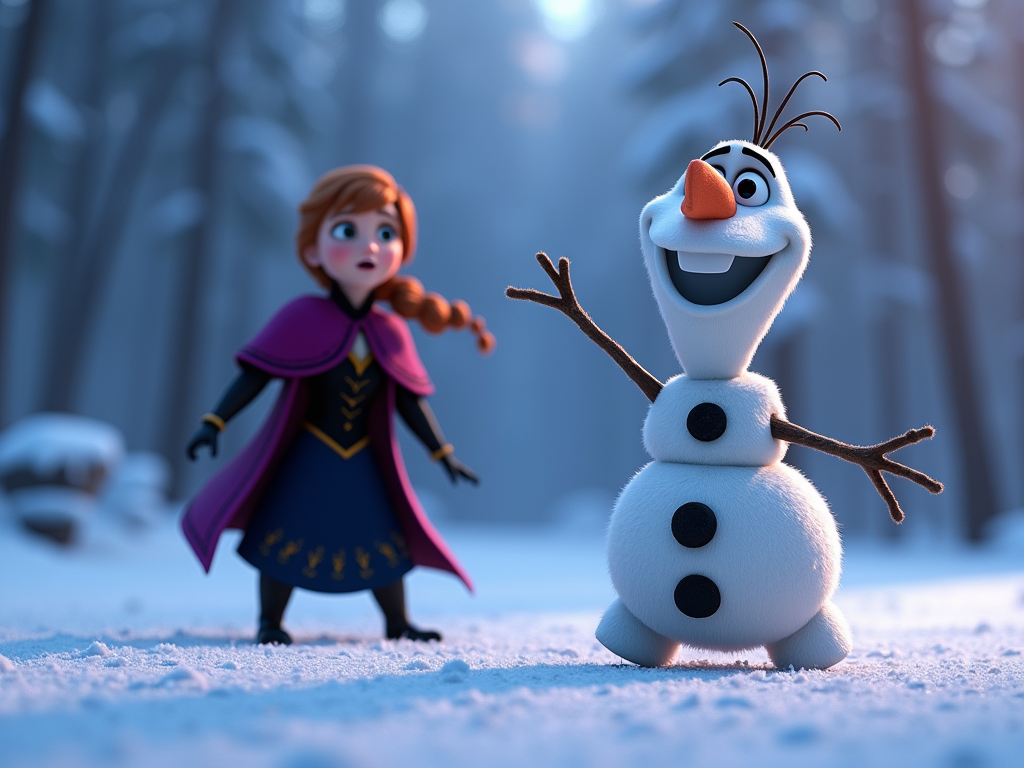
Here’s what Disney didn’t anticipate: Context matters more than content.
In living rooms, 22 minutes is nothing. In a theater where you’re waiting for the main feature? It’s an eternity.
Some Mexican theater chains pulled the featurette after just one week. Think about that. Disney—the company that owns everything and prints money—had to retreat. They didn’t just trim it or adjust. They pulled it entirely from some locations.
The irony? The featurette itself was actually good. Critics who reviewed it properly praised the animation quality and songs. Josh Gad’s Olaf voice performance was vintage charming snowman. But none of that mattered when audiences felt ambushed.
This wasn’t Disney’s first featurette. They’d done this before with shorts like Frozen Fever. But those were 8 minutes, max. The runtime difference between 8 and 22 minutes? That’s the difference between a pleasant surprise and feeling held hostage.
So Disney had a problem. They’d spent millions creating premium Frozen content that audiences rejected. Most companies would write it off as a loss.
But Disney? They saw opportunity.
Disney’s Pivot: Transforming a Theatrical Misstep into Streaming Gold
Fast forward to 2019. Disney+ launches, and guess what’s prominently featured in their holiday collection?
Olaf’s Frozen Adventure.
The same content that caused theater walkouts was now driving subscriptions.
The transformation is almost laughable in its simplicity. Disney took the exact same 22-minute special—didn’t change a frame—and repositioned it as ‘exclusive holiday content’ for their streaming platform.
Suddenly, those 22 minutes weren’t an obstacle. They were a feature.
Want to know the genius part? They marketed it as a ‘lost’ Frozen story. Something special you could only see on Disney+. The same runtime that felt excessive in theaters now felt substantial on streaming. It wasn’t a bloated short anymore. It was a ‘holiday special.’
The numbers tell the story. During the 2020 holiday season, Olaf’s Frozen Adventure saw a 300% increase in viewership compared to its initial TV broadcast. By 2021, it had become one of Disney+’s top 10 holiday offerings.
Every. Single. Year.
Here’s what Disney figured out: Platform expectations completely change content perception. In theaters, audiences expect efficiency. Get to the main event. On streaming? They want value. More content equals more value.
The special now anchors Disney’s holiday programming strategy. It’s not buried or hidden. It’s featured. Promoted. Celebrated. They even use it to sell holiday merchandise—Olaf Christmas ornaments, anyone?
Disney turned a theatrical embarrassment into a streaming tentpole. They didn’t fix the content. They fixed the context.
And that five-word distinction? That’s worth billions in the streaming wars.
This isn’t just about one holiday special. It’s about the biggest misconception in content creation today.
Beyond the Runtime: Why Context Beats Content in Digital Distribution
Everyone thinks content is king.
They’re wrong.
Context is king. Content is just the prince waiting for the right throne.
Olaf’s Frozen Adventure proves this better than any MBA case study. Same animation. Same songs. Same voice actors. Completely different reception based purely on where and how people watched it.
Think about your own viewing habits. You’ll binge 10 hours of a Netflix series but get antsy during a 15-minute pre-movie advertisement. It’s not about time. It’s about expectation.
When Disney put Olaf in theaters, they violated an unspoken contract. People came for Coco, not Frozen. The quality didn’t matter. The violation of expectations did.
But on Disney+? Different contract entirely. People choose to watch Olaf’s Frozen Adventure. They’re in holiday mode, probably wearing pajamas, definitely not checking their watches. The special can breathe.
Here’s what most content creators miss: Your best work might be failing simply because it’s in the wrong place. That brilliant blog post buried in your email newsletter? That’s Olaf in theaters. That same post as a featured article on Medium? That’s Olaf on streaming.
Disney’s merchandise sales prove the point. Olaf holiday products tied to the special significantly outsell generic Frozen holiday items. Why? Because the streaming context creates emotional connection. Families watch it together. It becomes tradition.
Try selling that same merchandise to angry theater-goers in 2017? Good luck.
The special hasn’t changed. The songs remain the same. Olaf still goes door to door learning about traditions. But context transformed it from intrusion to institution. From failure to franchise tent pole.
Want to apply these lessons? Here’s your playbook.
The Hidden Economics of the Olaf Christmas Movie Resurrection
Let’s talk money. Because that’s what this is really about.
Disney doesn’t release exact figures, but industry estimates suggest Olaf’s Frozen Adventure cost between $15-20 million to produce. That’s feature film money for a 22-minute special.
In theaters? Total disaster. They literally paid to have it removed from some locations.
On Disney+? Different story entirely.
The special consistently ranks in Disney+’s top 20 most-watched content every December. Conservative estimates suggest it drives at least 100,000 new holiday subscriptions annually. At $7.99 per month, even if those subscribers only stick around for two months, that’s $1.6 million in direct revenue.
Every year. For content they already made.
But here’s the kicker: It’s not just subscription revenue. The Olaf’s Frozen Adventure merchandise line generates an estimated $50 million annually. From plush toys to Christmas ornaments, from books to DVD sales.
Remember, this is ‘failed’ content.
The streaming platform gave Disney something theaters couldn’t: Control over context. They decide when to promote it, how to frame it, what to bundle it with. No angry theater managers. No Twitter complaints about runtime.
Just pure holiday profit, year after year.
What Frozen Franchise History Teaches About Content Evolution
The Frozen universe films have always been Disney’s laboratory for content experiments.
Frozen Fever? Eight minutes. Attached to Cinderella. No complaints.
Olaf’s Frozen Adventure? Twenty-two minutes. Attached to Coco. Revolt.
Frozen 2? Full feature. Billion-dollar success.
See the pattern? It’s not about quality. It’s about matching format to expectation.
Disney learned something crucial from the Olaf’s Frozen Adventure release date debacle. Audiences have invisible thresholds. Cross them at your peril. Eight minutes before a movie? Charming bonus. Twenty-two minutes? Hostage situation.
But those same thresholds disappear on streaming. There, more content equals more value. Longer specials mean happier subscribers. The Olaf and Sven adventure that felt interminable in theaters feels just right on your couch.
This is why every Frozen spinoff since has gone straight to Disney+. They’ve learned their lesson. Control the context, control the reception.
Olaf’s Frozen Adventure: Disney’s Accidental Content Strategy Masterclass
Olaf’s Frozen Adventure is Disney’s accidental masterclass in content strategy. They took a theatrical bomb and turned it into streaming gold by changing nothing except where people watched it.
The lesson isn’t subtle. Stop obsessing over making your content perfect. Start obsessing over putting it in the perfect context.
That blog post, that video, that product—maybe it’s not failing because it’s bad. Maybe it’s just Olaf in the wrong theater.
Next time you watch Olaf’s Frozen Adventure on Disney+, pay attention to your reaction. Notice how those 22 minutes feel just right on your couch. Then remember how those same 22 minutes caused theater walkouts.
That’s the power of context. That’s the real magic Disney discovered.
And unlike their actual magic, this kind is real. And replicable. And probably sitting in your content archive right now, waiting for its Disney+ moment.
The Frozen Christmas special that almost ruined Thanksgiving became a holiday tradition. Not because Disney fixed it. Because they moved it.
Sometimes the best content strategy isn’t creating something new. It’s finding the right home for what you already have.