Your ‘Healthy’ Strawberry Banana Smoothie Has More Sugar Than a Can of Coke (Here’s How to Fix It)

Let me wreck your morning routine real quick.
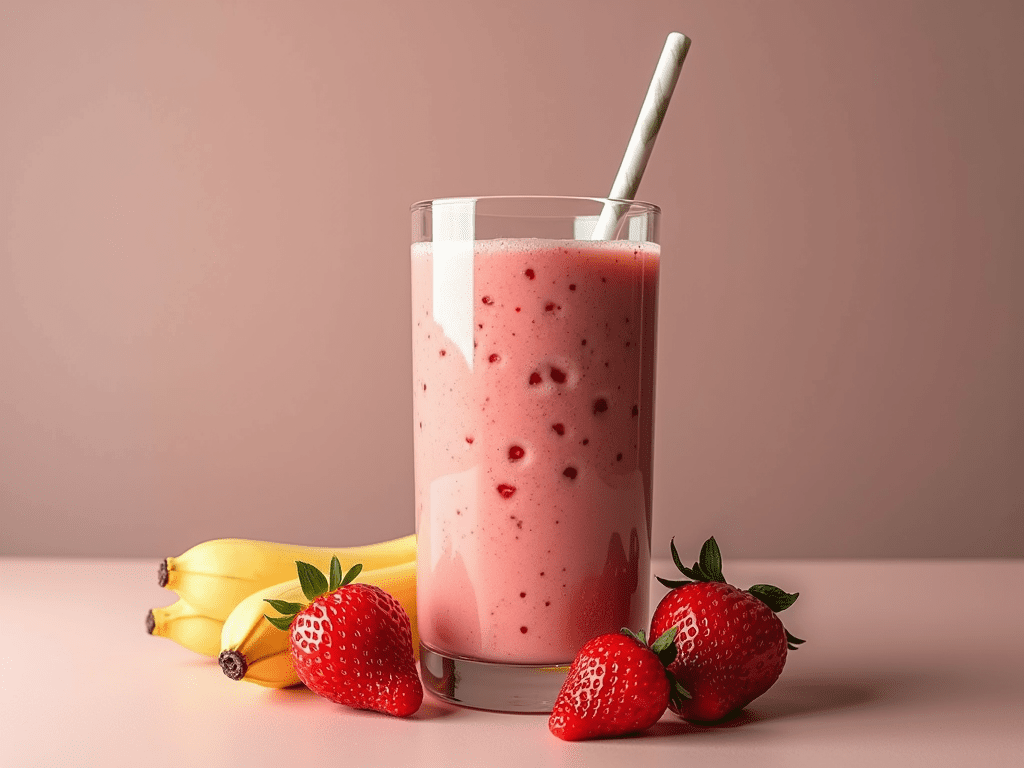
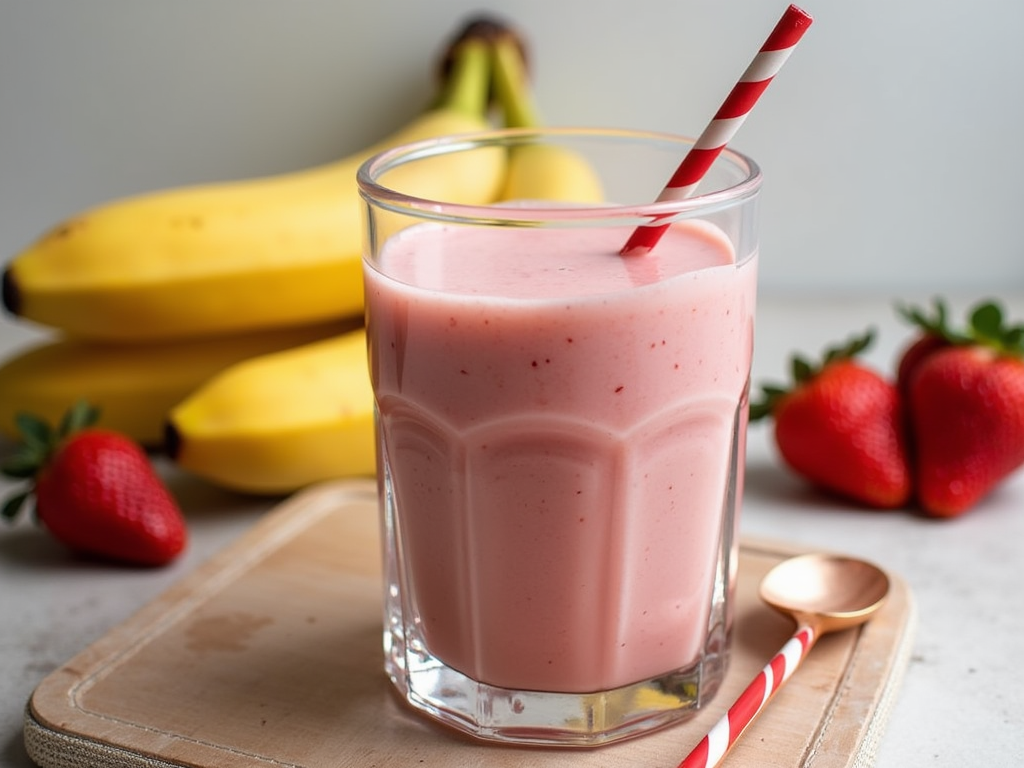
That strawberry banana smoothie you just made? The one with a whole banana, cup of strawberries, honey drizzle, and splash of OJ? You just drank 75 grams of sugar. For reference, a Coke has 39 grams.
Yeah. Let that sink in.
I’m not here to shame your breakfast choices. I’m here because the wellness industry keeps lying to your face. They slap ‘smoothie’ on something and boom – suddenly it’s health food. Meanwhile you’re gnawing on your desk by 10 AM wondering why you’re starving after your ‘nutritious’ breakfast.
Here’s the brutal truth: Most strawberry banana smoothie recipes are candy in a glass. They spike your blood sugar faster than Halloween night, crash you harder than Windows 95, and do exactly jack squat for your actual health.
But wait. Strawberry banana smoothies don’t have to suck. Done right, they’re protein powerhouses that actually keep you full. Half the calories. Triple the protein. Energy that lasts past your third Zoom call.
Ready to learn what those wellness influencers won’t tell you?
The Sugar Disaster in Your Blender
Let’s do the depressing math on your average strawberry banana smoothie. One large banana: 17 grams of sugar. Cup of strawberries: 7 grams. That tablespoon of honey because it’s ‘natural’: another 17 grams. Orange juice to make it blend: 21 more grams.
Congratulations. You just made a 62-gram sugar bomb.
Before breakfast.
Here’s what makes it worse – blending pre-digests everything. When you eat a whole banana, fiber slows the sugar absorption. Blend it? That protection vanishes. Your body absorbs all that fructose at warp speed. Blood sugar rockets up. Insulin floods in. An hour later you’re face-planting into the break room donuts.
New research shows these sugar spikes don’t just make you hungry. They trash your mood and focus all day long. That 10 AM brain fog? Your smoothie’s fault. The 3 PM crash? Still your smoothie.
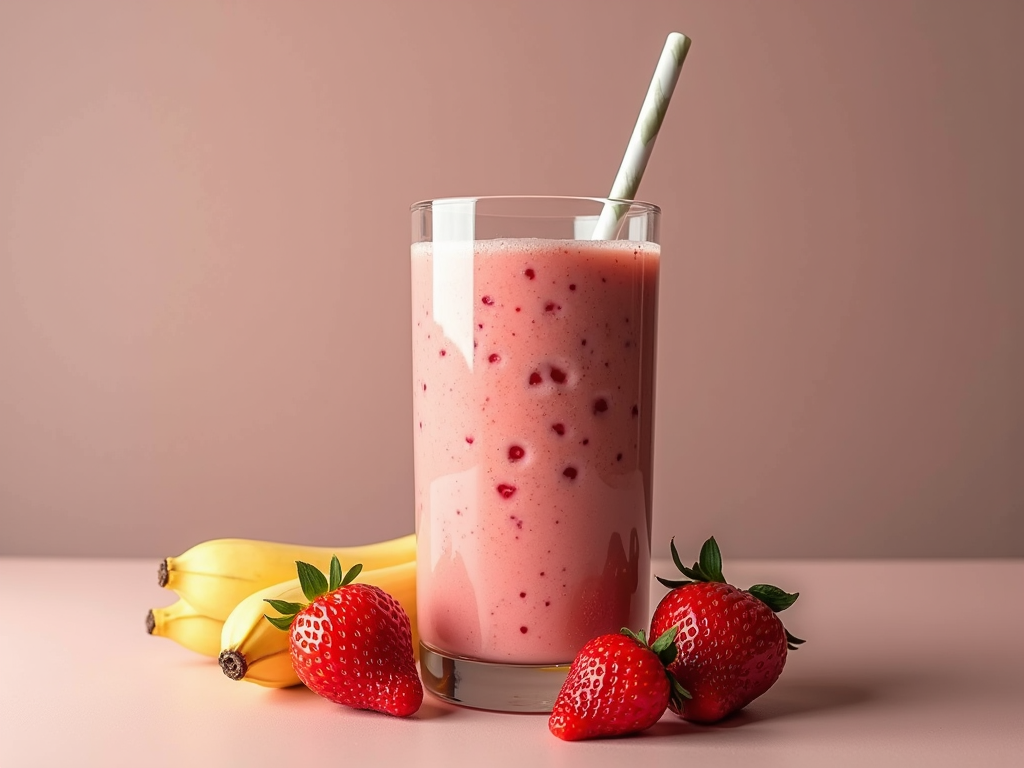
Most recipes make it worse by using fruit juice as the liquid. Orange juice, apple juice, those fancy tropical blends. Here’s a news flash – fruit juice is soda’s sneaky cousin. You’re drowning sugar in more sugar.
Then there’s portion insanity. Recipe blogs love their 24-ounce servings because bigger photographs better. But doubling a sugar bomb doesn’t make it healthy. It just doubles your problem.
Even the ‘healthy’ additions backfire. Agave nectar? More fructose than high fructose corn syrup. Dates? Nature’s candy, sure, but still candy. Coconut water? Might as well use Sprite.
The worst part? You’re trying to be healthy. You’re making smoothies instead of grabbing drive-thru. But the nutrition math isn’t mathing.
The Science of Not Being Hungry in an Hour
Time for some truth about satiety. Your body needs three things to feel full: protein, fiber, and fat. Skip one and you’ll be raiding the vending machine by 10.
Protein slows gastric emptying – fancy talk for keeping food in your stomach longer. Fiber forms a gel that moderates sugar absorption. Fat triggers fullness hormones in your brain. Miss any piece of this puzzle and your smoothie is just expensive juice.
New research shows protein does more than kill hunger. It stabilizes mood and sharpens focus. That Greek yogurt isn’t just for gym bros – it’s for anyone who wants their brain functional past 9:30 AM.
The magic numbers? At least 20 grams protein, 5-10 grams fiber, 10-15 grams healthy fat per smoothie. Sounds complicated? It’s not.
Greek yogurt brings 15-20 grams protein. Tablespoon of chia seeds adds 5 grams fiber plus 4 grams fat. Suddenly you’re building a meal, not dessert.
About those chia seeds – they’re not just Instagram props. These things absorb 10 times their weight in water, creating a gel that slows digestion. Same with ground flax. Both pack omega-3s your brain actually uses.
Hemp seeds deserve respect too. Three tablespoons give you 10 grams complete protein. All nine essential amino acids. Plus magnesium and iron that actually work.
But here’s the real game-changer: use half a banana. Revolutionary concept, right? You still get creamy texture and sweetness with half the sugar impact. Pair it with protein and fat, and that half banana works harder than a whole one ever could.
Liquid matters too. Unsweetened almond milk: 30 calories per cup. Oat milk: 120 calories. That’s 90 calories doing absolutely nothing nutritious. Choose accordingly.
The Sustainability Plot Twist Nobody Talks About
Here’s something wild – frozen strawberries often pack more vitamin C than fresh ones. Why? They’re frozen at peak ripeness, locking in nutrients. Those ‘fresh’ berries? They’ve been traveling for a week, bleeding vitamins the whole time.
The environmental angle gets interesting. Local strawberries in June? Great choice. Fresh berries flown from Chile in January? Not so much. Frozen wins the sustainability game almost every time.
Milk alternatives tell their own story. Almond milk production gulps 371 liters of water per liter of milk. Oat milk? Only 48 liters. Plus oats grow everywhere, cutting transportation emissions. Bonus: oat milk’s creamy texture comes from beta-glucans – the same fiber that lowers cholesterol.
The real sustainability hero? Rescuing food waste. Those spotty bananas everyone throws out? Perfect smoothie material. Soft strawberries? Even better – they blend easier and taste sweeter.
Meal prep changes everything. Portion ingredients into reusable containers. Freeze banana halves and berries in smoothie packs. No morning measuring. No good intentions rotting in the crisper.
Protein powder seems anti-environment with all that plastic, right? Actually, calculate protein per package – powder often beats multiple yogurt containers. Plant proteins like pea and hemp have way smaller carbon footprints than dairy.
Here’s the kicker: sustainability directly impacts nutrition. Local produce travels less, keeping more nutrients intact. Organic frozen fruit skips pesticides that mess with your metabolism. Even your sweetener choice matters – local honey supports the bees pollinating your fruit.
The 5-Step Sugar Bomb Defusal Method
Forget complicated systems. Here’s your dead-simple Balanced Blend Protocol.
Step 1: Nail your base. Half a banana (50g), not a whole one. Add 1/2 cup frozen strawberries. This gives sweetness and creaminess with 15 grams sugar instead of 30. Still plenty sweet.
Step 2: Power up protein. You need 20-30 grams minimum. Options: 3/4 cup Greek yogurt (20g protein), one scoop quality protein powder (20-25g), or combine 3 tablespoons hemp seeds (10g) with 2 tablespoons powdered peanut butter (8g). Mix based on taste.
Step 3: Add satisfying fats. One tablespoon almond butter. Quarter of an avocado. Those chia seeds we discussed. Fat makes vitamins A, D, E, and K actually work. Plus you stay full.
Step 4: Fiber boost. One tablespoon chia seeds or ground flax. New to fiber? Start with half. Your gut needs adjustment time. Trust me on this.
Step 5: Smart liquids only. Unsweetened almond milk, oat milk, or plain water. Keep it under 3/4 cup. You want a smoothie, not soup.
Equipment matters. High-speed blenders like Vitamix or NutriBullet make the difference between smooth and chunky. Chunks in smoothies should be illegal.
Meal prep like you mean it. Pre-portion dry ingredients in containers. Freeze banana halves and berries in smoothie packs. Morning you will worship prepared you.
Track results for one week. Energy levels. Hunger patterns. Mood stability. Success looks like: steady energy for 3-4 hours, no sugar crash, hitting daily protein goals, zero desperate candy bar situations.
Make it taste good or you won’t stick with it. Cinnamon adds sweetness without sugar. Vanilla extract improves everything. Pinch of salt enhances all flavors. Even cayenne works if you’re feeling dangerous.
The Bottom Line
Look, change is hard. That sugar-loaded smoothie tastes like happiness in a glass.
But you know what tastes better? Not crashing at 10 AM. Having energy past lunch. Actually feeling satisfied after breakfast.
Here’s the truth – not all smoothies are created equal. Most online recipes are milkshakes in disguise. Sugar bombs that hijack your blood sugar and leave you worse than if you’d just eaten ice cream for breakfast. At least then you’d know what hit you.
But now you know better. You get why that whole banana might be sabotaging your morning. Why protein, fiber, and fat aren’t optional extras. Why sustainable choices can be your healthiest ones.
Tomorrow morning, try the protocol. Just once. Half banana. Greek yogurt or protein powder. Chia seeds. Then pay attention. How do you feel at 10 AM? Noon? 2 PM?
Your body will tell you everything.
This isn’t about perfection. It’s about smoothies that work with your body instead of against it. Real transformation happens when you go from sugar bombs to balanced nutrition. From crashes to sustained focus. From marketing lies to actual health.
Your move, smoothie makers.