

Strange Magic Recipes: The Real Science Behind Potions That Actually Work

Here’s something most people don’t get about magic potions: they were never just fantasy.
Your great-grandmother’s ‘special tea’ that cured everything? The weird concoction your Chinese neighbor swears by when you’re sick? That strange purple drink at the Ethiopian restaurant that made you feel amazing?
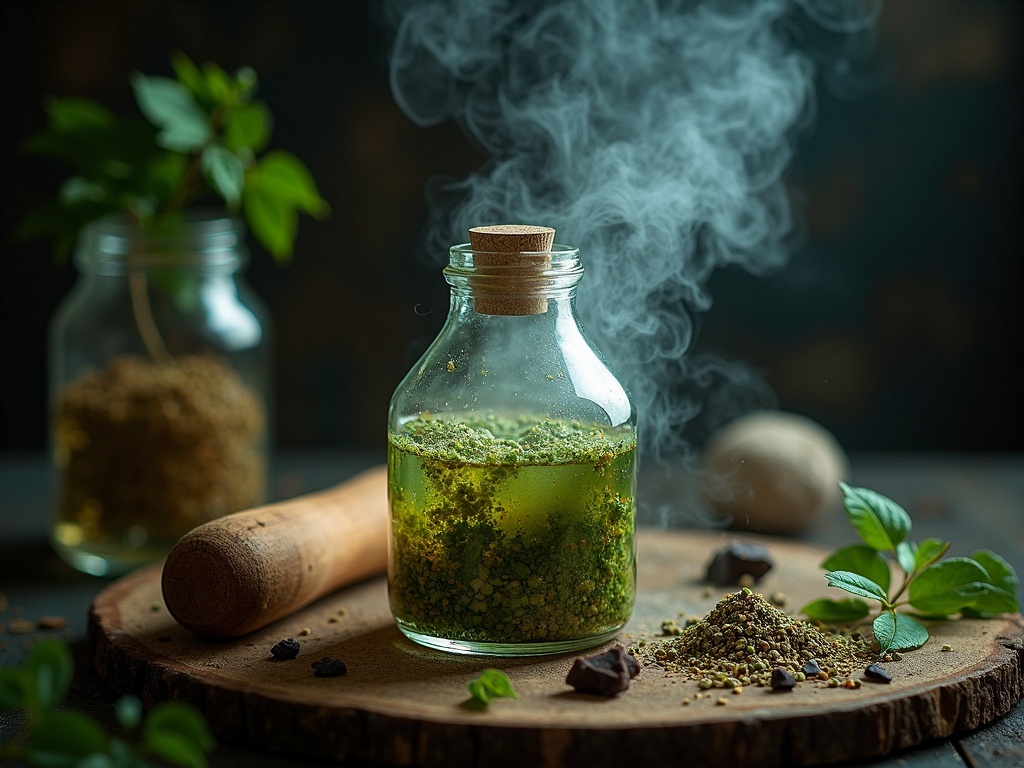
Yeah, those are all magic potions. Real ones. The kind that actually work.
The difference is, now we know why they work. And honestly? The science makes them even more magical.
Forget the plastic cauldrons and artificial dyes you see at party stores. We’re talking about strange magic recipes that change color naturally, create their own fizz, and – here’s the kicker – actually affect how you feel. Not because of some mystical spell, but because humans have been perfecting these formulas for thousands of years. They just called it magic because they didn’t have gas chromatography to explain why butterfly pea flowers turn from blue to pink when you add lemon. Or why certain mushroom teas make you see the world differently.
The Manchester Potion Project proved kids learn chemistry 73% better when they think they’re brewing magic. But what if I told you adults have been doing this forever? We just call it different things now. Molecular gastronomy. Herbalism. Aromatherapy.
Fancy names for what shamans and wise women have done since forever.
The Science Behind Strange Magic: Why Ancient Recipes Actually Work
Let me blow your mind for a second.
That ‘love potion’ your Romanian grandmother jokes about? It’s probably got damiana and rose petals in it. Both contain compounds that actually increase blood flow and release endorphins. Science, not sorcery. But she’s not wrong calling it magic.
The Aztecs used to brew this thing called xocolatl – a bitter chocolate drink mixed with chili peppers and vanilla. Warriors drank it before battle. Montezuma supposedly downed 50 cups a day. Why? Because cacao contains anandamide, literally the ‘bliss molecule.’ Mix it with capsaicin from chilies, and you’ve got a natural high that makes you feel invincible.
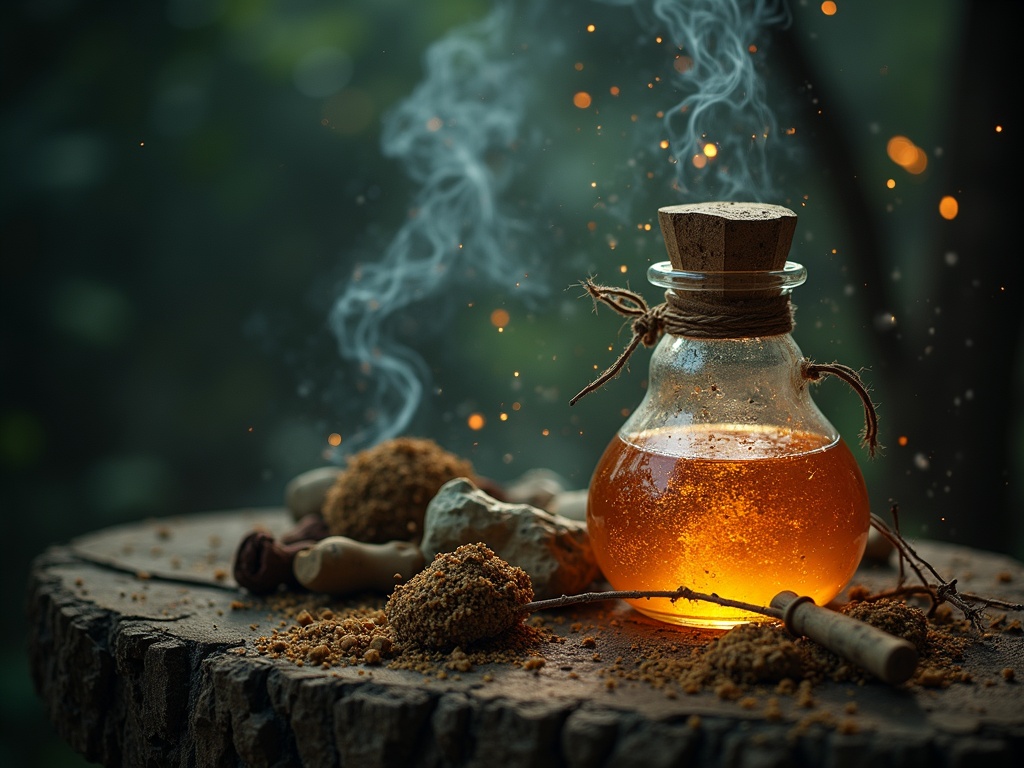
No wonder they thought it was divine.
Here’s where it gets really weird. In Madagascar, there’s this plant called katrafay. Locals have used it in ‘protection potions’ for centuries. Turns out, it’s loaded with compounds that boost your immune system and reduce inflammation. They were literally protecting themselves from disease. They just didn’t know about T-cells and cytokines.
The African dream root, Silene capensis, is another one. Xhosa shamans use it to induce lucid dreams and ‘speak with ancestors.’ Skeptical? Well, researchers at the University of KwaZulu-Natal found it contains triterpenoid saponins that actually affect REM sleep patterns. You really do dream more vividly. Whether you’re talking to ancestors is between you and your subconscious.
My favorite? The blue lotus flower the ancient Egyptians were obsessed with. They put it in everything – wine, perfume, those weird cone things on their heads in hieroglyphics. Turns out it contains aporphine and nuciferine, natural compounds that create mild euphoria and enhance mood. No wonder every pharaoh’s party had lotus petals floating in the punch bowl.
The Indigenous peoples of the Amazon have ayahuasca. Chinese medicine has adaptogenic mushrooms. Indian Ayurveda has golden milk with turmeric and black pepper. Every culture has its strange magic recipes. And every single one contains bioactive compounds that modern science is just now catching up to understanding.
But knowing the science is only half the story. The real magic happens when you combine these ingredients with techniques that make them look as supernatural as they feel.
Creating Visual Magic: Natural Techniques for Supernatural Effects
Forget everything you think you know about making potions look magical. Those neon food dyes and plastic glitter? Amateur hour. Real strange magic recipes use chemistry, not chemicals.
Take butterfly pea flowers. These little blue blooms from Southeast Asia are pH-reactive. Add them to hot water, you get deep blue tea. Squeeze in some lemon? Boom. Purple. Add more acid? Pink. It’s not magic, it’s anthocyanins reacting to pH changes. But tell me that’s not more impressive than dumping in some artificial dye.
Want to make a potion glow? Tonic water. Contains quinine, which fluoresces under UV light. Set up a blacklight, serve gin and tonics in mason jars with herbs floating in them, and watch people lose their minds. The Manchester Potion Project kids went absolutely nuts over this one. Teachers reported 100% engagement. That never happens in chemistry class.
Here’s a trick I learned from a molecular gastronomy chef in Barcelona: agar powder and butterfly pea flower tea. Make the tea super concentrated, add agar, let it set into these translucent blue cubes. Drop them in clear liquid and they slowly dissolve, creating swirls of color like you’re watching the universe being born. Kids think it’s sorcery. Adults Instagram it immediately.
For fizzing effects, forget the boring baking soda and vinegar. Try kombucha as your base. It’s already naturally carbonated and probiotic. Add some hibiscus for color, ginger for heat, and watch it foam up like a witch’s cauldron. Plus, you’re getting actual gut health benefits. Two kinds of magic for the price of one.
The real game-changer? Layering drinks using specific gravity. Dense syrups on the bottom, lighter liquids on top. I once made a ‘sunset potion’ with grenadine, mango juice, and blue spirulina water that looked like the sky at dusk. No artificial anything. Just physics and patience.
Temperature plays a role too. Those color-changing cups everyone’s obsessed with? You can do the same thing with natural ingredients. Hibiscus tea turns from deep red when hot to bright pink when cold. Serve it in clear glass, add ice cubes made from coconut water, and watch the colors swirl and change as it cools.
But here’s the secret nobody talks about: presentation is half the magic. Use vintage bottles from thrift stores. Add dried flowers and herbs suspended in the liquid. Create smoke effects with dry ice (food-grade, obviously). Light candles underneath clear vessels to make liquids glow. The Manchester teachers found that kids who made ‘boring-looking’ potions with the same ingredients reported less enjoyment, even when the taste was identical.
Speaking of enjoyment, let’s talk about the part everyone gets wrong: magic potions aren’t just supposed to look cool. They’re supposed to change how you feel.
Mood-Transforming Potions: The Recipes That Actually Work
This is where people mess up with strange magic recipes. They focus so hard on the visual effects, they forget potions were originally medicine. Every ‘magic potion’ in history was trying to fix something. Energy. Sleep. Love. Courage. Clarity.
Our ancestors weren’t stupid – they were the first biohackers.
Let’s start with my go-to ‘focus potion.’ Lion’s mane mushroom, cacao, cinnamon, and a tiny bit of cayenne. Lion’s mane contains hericenones and erinacines that literally help grow new brain cells. The theobromine in cacao increases blood flow to the brain. Cinnamon regulates blood sugar so you don’t crash. Cayenne wakes up your whole system. I drink this before writing and feel like Bradley Cooper in Limitless. Minus the sketchy side effects.
For anxiety, there’s this combination I learned from a Persian grandmother in Los Angeles: saffron, rose water, and cardamom in warm milk. She called it ‘happiness in a cup.’ Saffron contains crocin and safranal, which studies show are as effective as some antidepressants. Rose contains phenylethylamine, the same compound your brain releases when you fall in love. Cardamom just makes everything taste like comfort.
The emerging trend of ‘potion-making as mindfulness practice’ is onto something big. There’s this therapist in Portland who has clients create their own ’emotional support potions.’ The act of measuring, mixing, and intentionally creating something for yourself? That’s already therapeutic. Add in aromatherapy from fresh herbs, the meditative act of stirring, the ritual of drinking something you made with purpose? You’ve got a full sensory meditation.
But my favorite strange magic recipe for emotional wellbeing comes from Japan. It’s called ‘forest bathing tea’ – pine needles, cedar tips, and mint. Sounds weird, tastes like walking through a forest after rain. The compounds in conifer needles – pinene and limonene – are the same ones that make forest bathing so calming. You’re literally drinking the forest.
One woman in the Manchester Potion Project made a ‘bravery brew’ for her daughter who was scared of performing in the school play. Chamomile for calm, ginger for warmth, honey for sweetness, and a drop of vanilla ‘for applause.’ Did it work? The kid nailed her performance. Was it the herbs or the belief?
Does it matter?
The best part about these mystical recipes? They work on multiple levels. The herbs have real effects. The ritual of making them shifts your mindset. The act of drinking something special you created marks a transition in your day. That’s three different kinds of magic working together.
Quick Reference: Mood-Boosting Strange Magic Recipes
- Focus Potion: Lion’s mane mushroom + cacao + cinnamon + cayenne
- Anxiety Soother: Saffron + rose water + cardamom + warm milk
- Forest Calm: Pine needles + cedar tips + mint
- Bravery Brew: Chamomile + ginger + honey + vanilla
Now that you understand the what and why, let me show you exactly how to create your own strange magic recipes that actually work.
Creating Your Own Strange Magic Recipe Collection
Here’s the thing about strange magic recipes: they’re not strange at all. They’re just human.
Every culture, every generation, every grandmother with a secret recipe – they’ve all been doing this. Mixing plants and intentions, creating rituals around healing, making the mundane magical. We just lost the thread somewhere between industrialization and Instagram.
But it’s coming back. The Manchester Potion Project kids aren’t just learning chemistry – they’re learning that they can create things that change how they feel. The Portland therapy clients aren’t just making tea – they’re taking control of their emotional wellbeing. The sustainable potion movement isn’t just about ditching artificial ingredients – it’s about reconnecting with practices that sustained humanity for millennia.
Your strange magic recipe grimoire doesn’t have to be perfect. Start simple. Blue butterfly pea tea that changes color. A focusing brew with mushrooms and cacao. A calming potion with chamomile and lavender. Document what works. Share it with friends. Make it a ritual.
Because that’s what magic really is – intention plus action plus belief. The science just explains why it works.
The magic is in the making.