
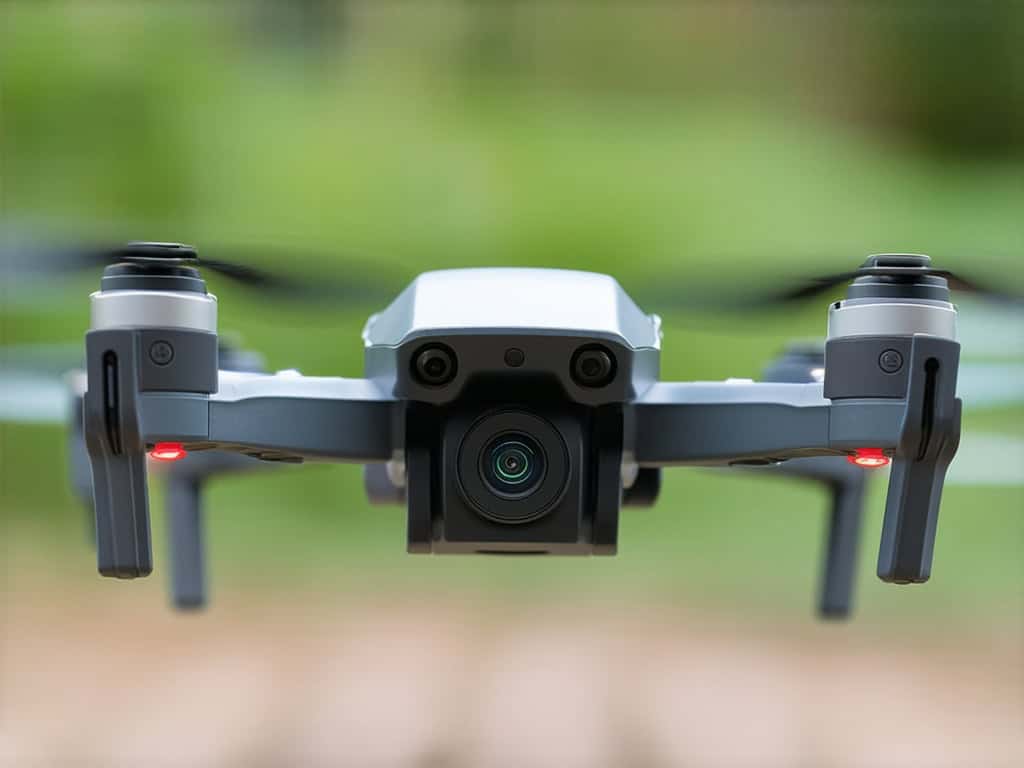
Why Your Micro Drone 3.0 Only Flies 5 Minutes (And Why That’s Actually Genius)

Let me guess. You bought the Micro Drone 3.0 expecting those sweet 8-minute flights they promised, and now you’re staring at a dead battery after barely 5 minutes. Join the club.
Here’s the kicker though – that ‘disappointing’ flight time? It’s not a bug. It’s literally engineered that way.
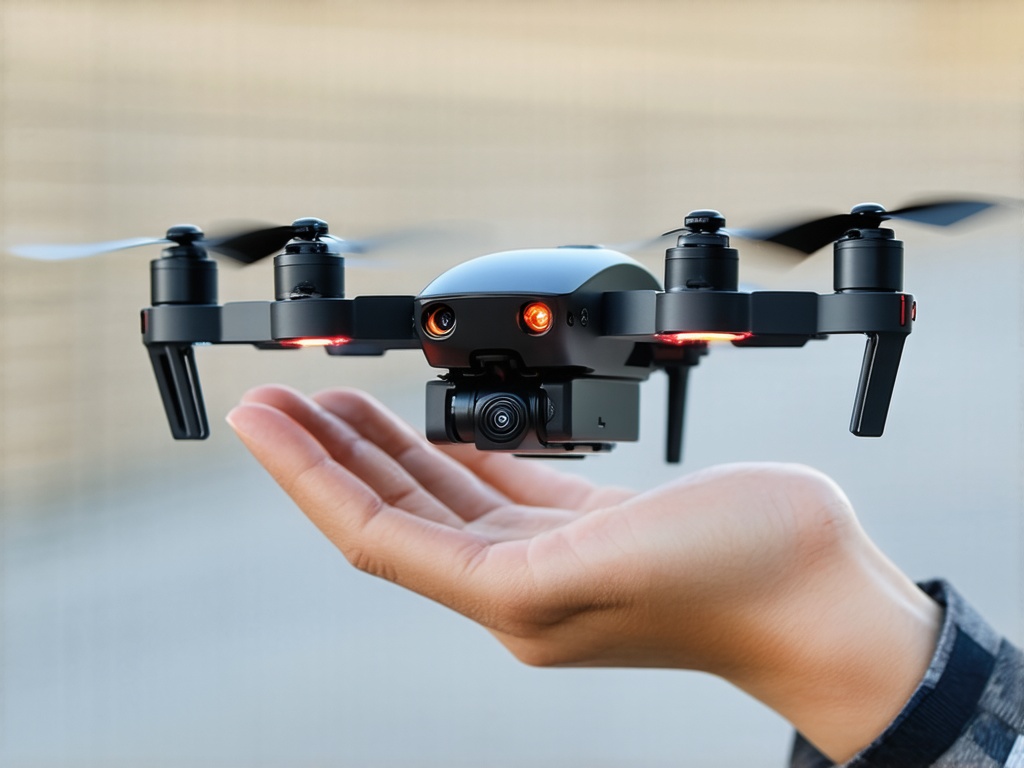
And once you understand why 56 grams of plastic can’t defy the laws of physics (spoiler: battery science is brutal at this scale), you’ll realize those 5-minute bursts are actually making you a better pilot. Plus, with the new NEO variant weighing in at 78 grams, we’re entering territory where FAA regulations don’t even apply. No registration. No operator ID. Just pure palm-sized freedom.
So before you rage-quit and return that tiny quadcopter, let’s talk about why shorter flights might be the smartest thing about these pocket rockets.
The Physics of Palm-Sized Flight: Why 56 Grams Can’t Defy Battery Science
Here’s something the marketing team won’t tell you: every gram matters when you’re trying to make something fly.
The Micro Drone 3.0 weighs 56 grams. The NEO variant? 78 grams. To put that in perspective, that’s less than three AA batteries. Now try cramming enough power into something that light to keep four motors spinning at thousands of RPMs while also powering a camera, Wi-Fi transmitter, and stabilization system.
Yeah, good luck with that.
The brutal math goes like this: lithium polymer batteries have an energy density of about 150-200 watt-hours per kilogram. Your palm-sized drone’s battery? It’s maybe 3.7V at 180mAh. That’s 0.666 watt-hours. Total. Split that between four brushed motors pulling 5-7 watts each at full throttle, and you’ve got… well, about 5 minutes if you’re lucky.
But here’s where it gets interesting. Independent tests clocked the Micro Drone 3.0 at around 30mph top speed – not the advertised 45mph. Why the discrepancy? Wind resistance. At 56 grams, even a light breeze becomes a hurricane. The drone’s flight controller is constantly fighting to stay stable, burning through that tiny battery like a teenager through their data plan.
The NEO variant actually proves this point beautifully. During demos, they balance a coin on top while hovering. That level of gyro stability? It’s eating battery life for breakfast. Every micro-adjustment, every compensation for air currents – it all costs power. The lighter the drone, the more corrections needed.
It’s a vicious cycle that no amount of engineering can fully solve without adding weight, which defeats the whole ‘palm-sized’ purpose.
So if physics dictates we’re stuck with 5-minute flights, why am I calling this genius instead of garbage? Because those short bursts are secretly turning you into a drone ninja.
The Hidden Advantage: How 5-Minute Flights Create Better Pilots (And Save Your Walls)
Let me share something embarrassing. My first week with the Micro Drone 3.0, I bent those flimsy battery pins three times. THREE TIMES.
You know why? Because I was rushing. Trying to squeeze in ‘just one more flight’ before the kids got home. Those 5-minute limits forced me to get really good at battery swaps. Now I can do it blindfolded. Seriously.
Here’s what nobody talks about: short flights train muscle memory better than marathon sessions. It’s like interval training for drone pilots. You launch, fly a quick pattern, land, swap batteries, repeat. Each cycle reinforces proper technique. Compare that to flying a DJI for 30 minutes straight – you get lazy, sloppy, overconfident. With the Micro Drone, you can’t afford to be sloppy.
Every second counts.
The app control sensitivity issue everyone complains about? It’s actually teaching you precision. Yeah, the smartphone controlled mini drone controls are twitchy as hell. One reviewer called them ‘unusable for anything beyond basic hovering.’ They’re not wrong. But here’s the thing – once you upgrade to the pro controller (and you will, trust me), you’ll have ninja-level stick control.
It’s like learning to drive on a manual transmission. Everything else feels easy afterward.
And let’s talk about your walls for a second. You know what happens when a 250-gram drone hits drywall at 20mph? Hole. You know what happens with a 56-gram Micro Drone? Maybe a scuff mark. Maybe. Those 5-minute flights mean you’re practicing indoors where it’s safe, mapping out 2-minute circuits around your living room. One pilot I know set up a whole course using Solo cups. By the time he took it outside, he could thread that palm launch drone through a basketball hoop.
The forced landing practice is clutch too. Most drone crashes happen during landing – it’s just statistics. With longer-flying drones, you land maybe 3-4 times per session. With the Micro Drone? You’re landing every 5 minutes. That’s 12 landings per hour of flight time.
You become a landing expert without even trying.
But what if I told you the real revolution isn’t about flight time at all? It’s about what happens when your drone weighs less than 100 grams.
The NEO Revolution: Why Sub-100g Changes Everything (Except Flight Time)
Remember when drones meant paperwork? Registration numbers, operator IDs, airspace apps?
Yeah, forget all that.
The Micro Drone 3.0 NEO at 78 grams just flipped the entire game. Under 100 grams, you’re essentially invisible to regulations. No FAA registration in the US. No flyer ID in the EU. You could launch this micro drone under 250 grams from Times Square and technically nobody could say anything.
(Don’t actually do that. People will think you’re weird.)
This isn’t just about dodging bureaucracy. It’s about accessibility. My 73-year-old neighbor just got into drones because the NEO doesn’t require any permits. He’s out there doing figure-8s in his backyard, living his best life. Try explaining Remote ID compliance to someone who still uses a flip phone. With sub-100g drones, you don’t have to.
The modular design is where things get spicy. That magnetic HD camera module? It’s basically Lego for adults. Snap it on for recording, pop it off to save weight. Forward-facing for scenic shots, backward for those ‘chase me’ videos. The 1280×720 resolution isn’t winning any Oscars, but for a micro drone with camera the size of a fingernail?
It’s borderline witchcraft.
And then there’s the carbon fiber racing kit that’s supposedly dropping soon. We’re talking 5.8GHz analog FPV, upgraded PCB, the works. Imagine strapping on goggles and racing something that fits in your pocket. The latency on analog beats digital every time for racing – ask any FPV pilot. Sure, the image quality looks like 1990s cable TV, but when you’re threading through chair legs at 30mph, HD is overrated.
The coin-balancing party trick isn’t just showing off either. That level of stability in something under 100g is unprecedented. Most mini drones shake like chihuahuas in a thunderstorm. The NEO hovers like it’s nailed to invisible air. That stability translates directly to better footage, easier control, and way less ‘oh crap’ moments when flying near people.
Maximizing Your Micro Drone 3.0 Flight Experience
First things first – get extra batteries. Not one. Not two. At least three. The Micro Drone’s battery rotation system is like a Formula 1 pit stop. While one flies, one charges, one cools down. Boom. Continuous action.
The PALM Protocol (yeah, I made that up) goes like this:
- Plan your route before takeoff
- Always keep spare batteries warm
- Land at 20% to preserve battery health
- Maximize each flight with purpose
Warm batteries matter more than you think. Cold batteries deliver maybe 3 minutes of sad hovering. Room temperature batteries? Full 5 minutes of glory. I keep mine in my pocket before flying. Body heat is free battery optimization.
The one handed drone control feature everyone raves about? It’s actually most efficient in ‘Sport Mode.’ Counter-intuitive, right? But Sport Mode’s aggressive response means less stick time for maneuvers. Less stick time equals less battery drain. You’ll squeeze an extra 30-45 seconds per flight.
And here’s a dirty secret – the advertised micro drone flight time assumes perfect conditions. No wind. Minimal maneuvering. Basically hovering in place like a very expensive ceiling fan. Real-world flying? Factor in 20-30% less. Plan accordingly.
Why The Competition Is Missing The Point
Every micro drone 3.0 review obsesses over flight time like it’s the only metric that matters. Meanwhile, they’re missing the forest for the trees.
The DJI Mini series? Sure, 30-minute flights sound amazing. Until you realize it weighs 249 grams – right at the registration limit. One firmware update adding features could push it over. Then you’re filling out federal paperwork for a toy.
The Ryze Tello? 13-minute flights, but good luck flying outdoors. That thing gets bullied by butterfly farts. The Micro Drone 3.0 at least has the power-to-weight ratio to handle mild wind.
And don’t get me started on those generic pocket drones flooding Amazon. Yeah, they claim 15-minute flights. They also claim ‘HD cameras’ that look like they’re filming through a dirty fish tank. The Micro Drone’s camera might not be 4K, but at least it’s honest 720p.
The real comparison should be about capability per gram. The Micro Drone 3.0 delivers more features in 56 grams than most drones manage in 200. That’s engineering efficiency. That’s what matters.
Look, I get it. You wanted 8-minute flights and got 5.
The marketing lied, physics won, and now you’re wondering if you bought an expensive toy.
But here’s the thing – you didn’t buy flight time. You bought freedom. Freedom from registration hassles, freedom to practice indoors without destroying your house, freedom to actually get good at flying instead of just hovering around taking boring photos.
The Micro Drone 3.0’s ‘limitation’ is secretly its biggest strength. Those rapid battery cycles are building skills. That sub-100g weight is opening doors. And honestly? After you master battery swapping and get your hands on a 3-battery pack, you’ll realize 15 minutes of rotating flights beats one long boring hover session any day.
The future of personal drones isn’t about endurance – it’s about accessibility. And at 56 grams, the future fits in your pocket.
Next time someone complains about their micro drone 3.0 flight in the palm of your hand lasting only 5 minutes, remind them that somewhere, there’s a guy with a $1,500 drone sitting in a drawer because he’s too lazy to register it.
Meanwhile, you’re out there flying. Every day. 5 minutes at a time.
Who’s really winning?