
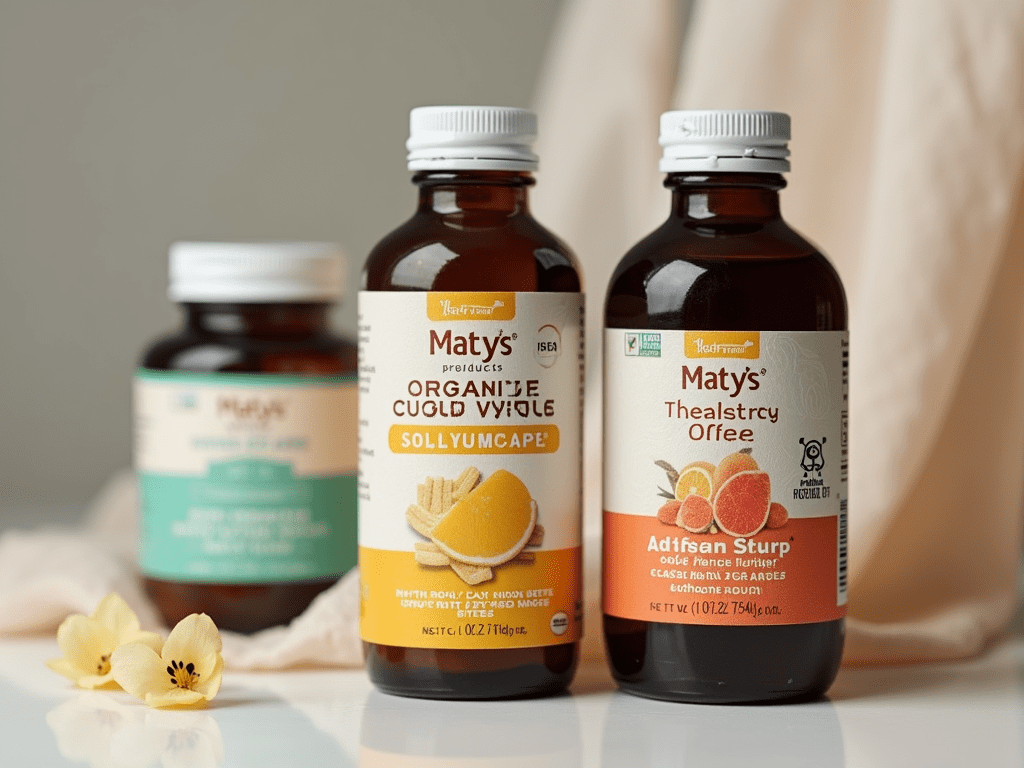
Maty’s Healthy Products Is Gone: Here’s Your Survival Guide for Natural Health Independence

Here’s something nobody’s talking about: Maty’s just shut down. After 16 years. Just like that.
One day you’re stocking up on their organic cough syrup for winter, the next day their website says “goodbye.” And if you’re like thousands of families who depended on their products, you’re probably freaking out right now.
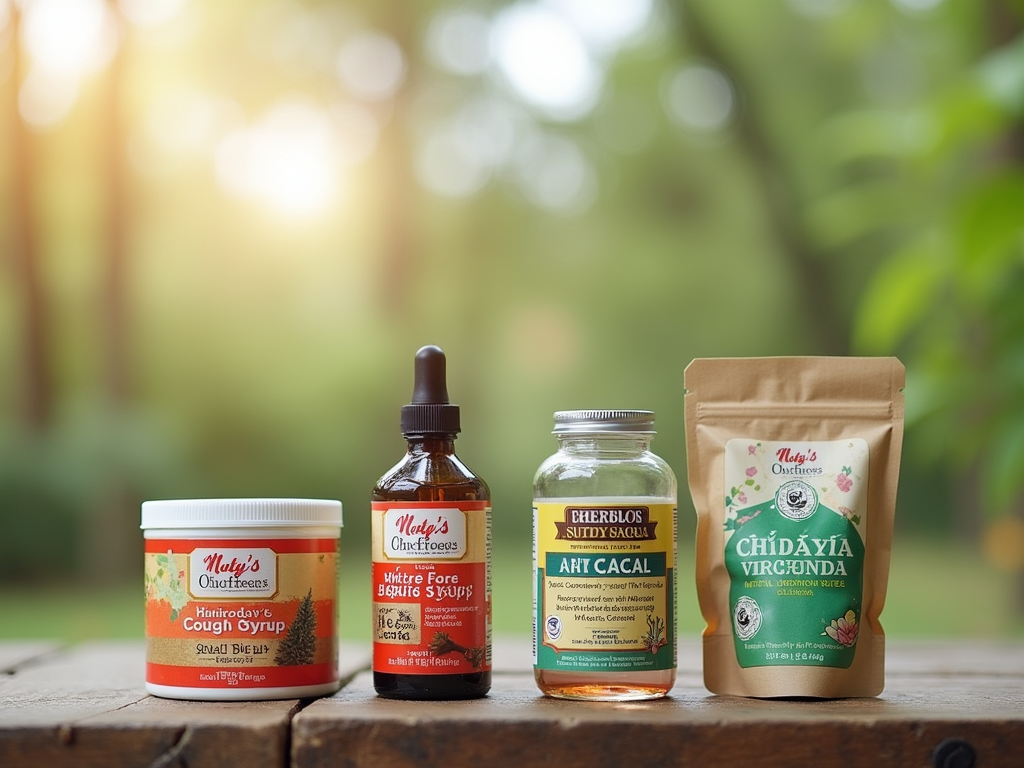
But here’s the kicker – this isn’t just about losing your favorite honey-based cough remedy. It’s about what happens when ANY natural health brand you trust disappears overnight.
Because let me tell you something: the natural products industry is going through a massive shakeup right now. Brands are closing. Getting bought out. Changing formulas. And if you’re not prepared, your family’s wellness routine is about to get seriously disrupted.
This guide isn’t another “here are some alternatives to Maty’s” listicle. Nope. This is about building a bulletproof natural health strategy that doesn’t crumble when your go-to brand vanishes into thin air.
Why Natural Health Brands Like Maty’s Are Disappearing (And What It Means for Your Family)
The natural health industry is bleeding out, and most people have no clue.
You think Maty’s closing after 16 years is just bad luck? Think again.
Here’s what’s actually happening: regulatory changes are strangling smaller brands. The FDA’s been tightening the screws on health claims, and guess what? Compliance costs money. Lots of it. Small natural brands like Maty’s? They’re getting crushed between Big Pharma lobbying and Amazon’s race-to-the-bottom pricing.
And here’s the part that should worry you: market consolidation is accelerating. The big players – think Nestlé, Johnson & Johnson – they’re buying up natural brands left and right. Then they “optimize” the formulas. Translation: they swap out expensive organic ingredients for cheaper alternatives.
Remember when Burt’s Bees got bought by Clorox? Yeah, exactly.
But wait, it gets worse. Supply chain issues are killing margins. That organic elderberry in your favorite cough syrup? It’s now three times more expensive than it was in 2019. Raw honey? Same story. When your main ingredients triple in price but Amazon trained everyone to expect free shipping on $15 bottles, something’s gotta give.
The economics just don’t work anymore. And Maty’s? They chose to close rather than compromise their formulas. Respect. But that doesn’t help you when your kid’s coughing at 2 AM.
Here’s what this means for your family: the days of relying on one trusted brand are over. Done. If you’re not diversifying your natural health approach now, you’re setting yourself up for a crisis later.
So if you can’t count on brands sticking around, what’s the solution? Time to get smart about building your own natural medicine cabinet.
Building Your Natural Medicine Cabinet: Beyond Single-Brand Dependency
Let’s cut through the BS: Maty’s didn’t invent honey, elderberry, or ginger. They just packaged them nicely. And that’s your golden ticket to independence.
Start with the basics. Maty’s cough syrup? It’s essentially raw honey, elderberry extract, and some supporting players like zinc and vitamin C. You can source these individually for a fraction of the cost. Raw honey from your local farmer’s market. Elderberry syrup from three different suppliers. Ginger root from the grocery store. Boom. You’re no longer dependent on any single brand.
But here’s where most people screw up: they think “natural” means “throw whatever herbs together.” Wrong. Dead wrong. Dosages matter. Combinations matter. Quality really, really matters. That cheap elderberry extract on Amazon? Might be 90% filler. You need to become ingredient-literate, fast.
Here’s your new framework:
First, identify your family’s top 5 health concerns. Coughs, congestion, digestive issues, whatever. Then map out the active ingredients that actually work for each. Not the brand names – the actual compounds.
For coughs: honey (antimicrobial), thyme (expectorant), ivy leaf (bronchodilator). For immune support: elderberry (antiviral properties), zinc (immune function), vitamin D3 (immune modulation).
Next, find three separate sources for each ingredient. Local health food stores, online pharmacies, even grow some yourself. Yes, you can grow elderberries. No, it’s not that hard.
Price compare religiously. That $30 bottle of branded immune syrup? You can make the same thing for $8. And here’s the kicker: when you control the ingredients, you control the quality. No more wondering if they changed the formula. No more “new and improved” versions that work worse than the original.
But hold up. Before you go wild mixing up herbal concoctions, we need to talk about something nobody wants to discuss: natural doesn’t automatically mean safe.
The Dark Side of DIY: When Natural Health Independence Goes Wrong
Time for some tough love: your obsession with “natural” might be dangerous. Yeah, I said it.
Just because something grows in the ground doesn’t mean it won’t mess you up. Maty’s understood this. They had third-party testing, standardized dosages, safety protocols. You? You’re winging it with essential oils from Facebook marketplace. See the problem?
Let’s get real about natural product safety. Elderberry can interact with immunosuppressant drugs. Didn’t know that? Most people don’t. Honey can contain botulism spores – that’s why it’s not safe for babies under 12 months. Even Maty’s baby products were honey-free for this reason. Ginger can increase bleeding risk if you’re on blood thinners.
Natural doesn’t mean harmless.
Here’s what actually matters: third-party certifications. USDA Organic is good. NSF certification is better. USP verified? Gold standard. If a product has none of these, you’re gambling.
Dosage calculations aren’t optional. “A spoonful” isn’t a measurement. Milligrams are. Learn the therapeutic doses for each ingredient you use. Underdose? Waste of money. Overdose? Hello, emergency room.
Drug interactions are real. That natural sleep aid with valerian? Don’t mix it with prescription sedatives. St. John’s Wort? Messes with birth control pills. Always, always check interactions.
Kids aren’t small adults. Their doses aren’t just “half of what adults take.” Weight-based dosing exists for a reason. And some herbs are completely off-limits for children. Do your homework.
Quality variations can be massive. That turmeric supplement might have 5% active curcumin or 95%. Guess which one actually works? Test results matter. Demand certificates of analysis. If a company won’t provide them, run.
Armed with this knowledge, you’re ready for the framework that’ll make you brand-proof forever.
The ADAPT Framework: Your Blueprint for Natural Health Resilience
Forget everything you think you know about stocking natural remedies. This isn’t about hoarding Maty’s alternatives. It’s about building a system that works no matter which brands disappear next.
Introducing ADAPT:
- Assess your actual needs (not what Instagram wellness influencers say you need)
- Diversify your suppliers (multiple sources for each key ingredient)
- Acquire knowledge about ingredients (not just brand names)
- Prepare basic formulations (learn the ratios that work)
- Test and iterate (what works for your family specifically)
Here’s how it works in real life:
Assess: Track your family’s health patterns for a month. Every cough, sniffle, upset stomach. What do you actually reach for? Probably 5-6 core products max. That’s your focus list.
Diversify: For each core need, identify the active ingredients. Maty’s acid reflux relief used ginger, turmeric, and apple cider vinegar. Source each from different suppliers. Local co-op for ginger root. Online herb shop for turmeric. Three brands of ACV. Never get caught empty-handed again.
Acquire: Stop memorizing brand names. Learn why ingredients work. Honey isn’t just sweet – it’s antimicrobial because of hydrogen peroxide production. Elderberry contains anthocyanins that actually bind to flu viruses. Knowledge is power when brands fail.
Prepare: Master a few basic preparations. Herbal honey for coughs (1 cup raw honey + 2 tablespoons dried thyme). Elderberry syrup for immunity. Fire cider for everything else. These aren’t recipes – they’re insurance policies.
Test: Your kid might hate the taste of regular elderberry but love it with cinnamon. Your stomach might prefer ginger tea over capsules. Figure out what actually works for YOUR family, not what some blog says should work.
The ADAPT framework turns you from a panicked consumer into an empowered health advocate. No more 2 AM pharmacy runs. No more discontinued product despair.
Ready to see this in action? Let’s build your first brand-proof remedy kit.
Your 30-Day Natural Health Independence Challenge
Enough theory. Time for action. Here’s your step-by-step plan to break free from brand dependency in 30 days.
Week 1: Inventory and Research
Dump out your medicine cabinet. Every natural product you own. List the ingredients, not the brand names. That Maty’s cough syrup? Write down “honey, elderberry, zinc, vitamin C” not “Maty’s.”
Now research each ingredient. Real research, not mommy blog posts. PubMed is your friend. Learn what each ingredient actually does, therapeutic doses, and potential interactions.
Week 2: Source Building
Find three suppliers for your top 5 ingredients. Mix it up – local health store, reputable online retailer, farmers market. Price compare obsessively. Quality compare even more obsessively.
Create a supplier spreadsheet. Include prices, quality certifications, shipping times. When panic buyers clear the shelves, you’ll have backups.
Week 3: Skills Development
Learn three basic preparations. Start simple:
- Herbal honey (literally just herbs + honey + time)
- Basic tincture (herbs + alcohol + patience)
- Infused oil (herbs + carrier oil + gentle heat)
YouTube University has entered the chat. Watch, learn, practice. Mess up a batch? Good. That’s how you learn.
Week 4: System Implementation
Create your remedy station. Not some Pinterest-perfect apothecary fantasy. A functional setup with labeled ingredients, basic equipment, reference materials.
Make your first batch of each core remedy. Document everything – ratios, timing, results. This is your family’s personal wellness playbook.
The 90-Day Reality Check
After three months, evaluate. What’s working? What’s not? Maybe you discovered making elderberry syrup is actually fun. Maybe you realized tinctures taste like death and pills work better for you. Adjust accordingly.
The goal isn’t to become a master herbalist overnight. It’s to build resilience. When the next natural brand bites the dust – and trust me, more will follow Maty’s – you’ll shrug instead of panic.
But here’s the thing about independence: companies don’t want you to achieve it.
What Natural Product Companies Don’t Want You to Know
Let’s talk about the elephant in the room: natural health companies need you dependent. Sorry, but it’s true.
They spend millions convincing you their proprietary blend is special. That their “unique extraction process” justifies the 500% markup. That you couldn’t possibly replicate their magic formula at home.
Bullshit.
Maty’s made great products. Quality ingredients, good manufacturing practices, convenient packaging. But revolutionary formulas? Nah. They combined well-known ingredients in sensible ratios. The “secret” was consistency and quality control, not some mystical process.
Here’s what really matters: most natural remedies use the same 20-30 core ingredients. Seriously. Check the labels. Elderberry, echinacea, vitamin C, zinc, ginger, turmeric, honey… the greatest hits play on repeat.
The markup is insane. That $25 bottle of immune syrup? Maybe $3 in ingredients. The rest? Packaging, marketing, retail markup, and profit. Nothing wrong with companies making money. But don’t pretend you’re buying liquid gold.
Third-party testing isn’t rocket science. Companies act like independent lab testing is some heroic act. It’s not. It’s basic quality control. You can access the same labs they use. Split the cost with a buying group if needed.
The “natural” label is meaningless without context. Arsenic is natural. So is poison ivy. “Natural” doesn’t mean safe, effective, or worth the price. Stop falling for marketing speak.
Proprietary blends hide mediocrity. When a label says “proprietary blend 500mg” without listing individual amounts, run. They’re hiding that it’s 490mg of cheap filler and 10mg of the good stuff.
The truth? Once you understand ingredients and dosing, most natural products become DIY projects. Not all – some require specialized equipment or processes. But way more than companies want you to believe.
Conclusion: Your Natural Health Independence Starts Now
Look, losing Maty’s sucks. They made quality products that families trusted. But their closure is your wake-up call.
The natural health industry is changing fast, and if you’re not adapting, you’re vulnerable. The next closure is coming. Maybe it’s your favorite probiotic brand. Maybe it’s that organic vitamin company you’ve used for years. The question isn’t if, it’s when.
But now you’re ready. You’ve got the ADAPT framework. You understand the industry’s dirty secrets. You know natural doesn’t automatically mean safe. Most importantly, you know you don’t need any single brand to keep your family healthy.
Start small. Pick one Maty’s product you’ll miss most. Break down its ingredients. Source them individually. Make your first batch. It might suck. Your second batch will be better. By the tenth batch, you’ll wonder why you ever paid premium prices.
This isn’t about becoming a crunchy homesteader grinding herbs by candlelight. It’s about options. Control. Never having that “oh shit, they discontinued it” moment again.
Your family’s health is too important to leave in the hands of companies that might not exist tomorrow. Maty’s taught us that lesson the hard way.
Time to graduate from natural health consumer to natural health creator. Your future self – the one not panicking during the next brand closure – will thank you.