

Is Butter Slowly Harming Your Heart? What Mayo Clinic Says About Saturated Fats

Butter isn’t doing your heart any favors. Research shows regular butter consumption increases mortality rates by up to 15%, primarily due to its high saturated fat content. The creamy spread clogs arteries by raising LDL cholesterol levels – yes, that’s the bad kind. While complete elimination isn’t necessary, health experts recommend keeping saturated fats below 10% of daily calories. Modern margarine offers a heart-friendlier option. There’s more to this spread story than meets the toast.
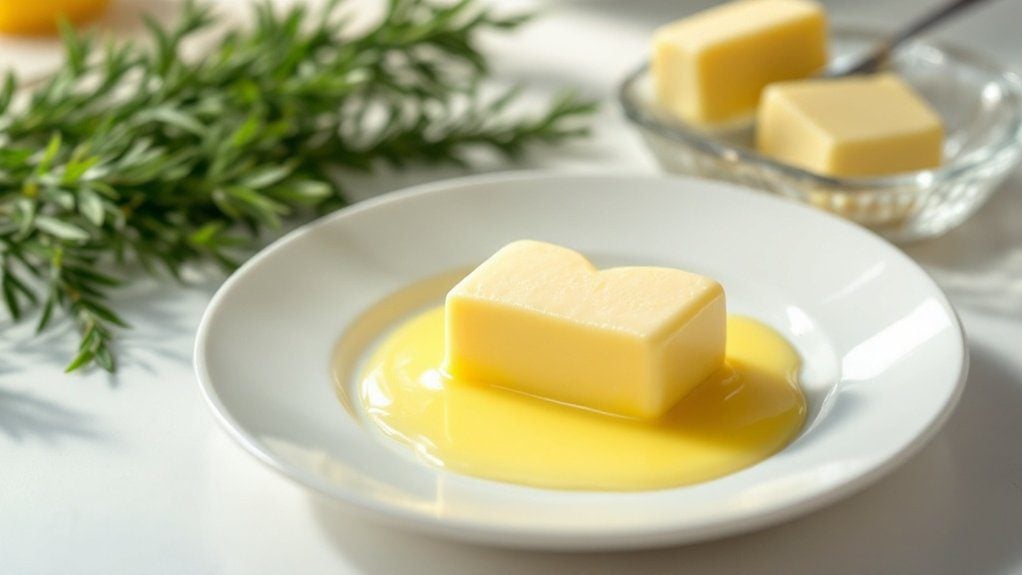
While spreading butter on toast may be a beloved morning ritual, mounting evidence suggests this creamy comfort food could be silently damaging hearts across America. The buttery truth isn’t pretty – this dairy delight is packed with saturated fats that send LDL cholesterol levels soaring. Yes, that’s the “bad” cholesterol, and it’s not playing nice with your arteries.
That beloved morning butter ritual may not be so innocent – it’s packed with artery-clogging saturated fats that spike dangerous cholesterol levels.
Let’s face it: butter is basically concentrated animal fat. Delicious? Sure. Heart-healthy? Not so much. Studies have linked regular butter consumption to increased mortality rates from all causes, including heart disease. Recent research shows that highest butter consumers have a 15% higher risk of death. It seems what grandma didn’t know about butter actually could hurt her.
The solution might be sitting right next to butter in the grocery store: margarine. Before you roll your eyes, modern margarine has come a long way. Made from vegetable oils, it’s rich in heart-friendly unsaturated fats. Those tub versions? Even better than the stick varieties. They’re specifically designed to keep your ticker ticking along nicely. Soft or liquid margarines tend to be healthier choices for your daily spread.
Health experts recommend keeping saturated fat intake below 10% of daily calories. That’s not much wiggle room for butter lovers.
Meanwhile, margarine – especially the tub kind – offers a spread that won’t spread your arteries. Just watch out for some international versions that might still harbor dangerous trans fats. U.S. regulations have thankfully kicked those heart-harassers to the curb.
For those clutching their butter dishes in horror, here’s the reality check: moderation is key. Nobody’s suggesting you throw your butter out the window – though your heart might thank you if you did.
The evidence is clear that high butter consumption increases heart disease risk. It’s simple math: more saturated fat equals higher chance of heart problems. Period.
The bottom line? That pat of butter might be more than just a spread – it could be a silent contributor to heart disease. Maybe it’s time to reflect on whether that morning toast really needs its daily butter bath.
Related Reading
- The Cooking Oils Doctors Say Are Quietly Harming Hearts Over 60—and What to Use Instead
- Costco Foods That Can Help Lower Blood Pressure
- Exercise After Pregnancy: A Safe, Realistic Guide to Starting
- Maty’s Healthy Products Is Gone: Here’s Your Survival Guide for Natural Health Independence
This article is for general informational purposes only and isn’t a substitute for professional medical advice. Every family and body is different, so please check with a qualified healthcare provider before making decisions about your health or your family’s health.