

Forget Bali or Maldives: This Mexican Paradise Is Twice as Nice (and Your WiFi Actually Works)

Let me blow your mind real quick.
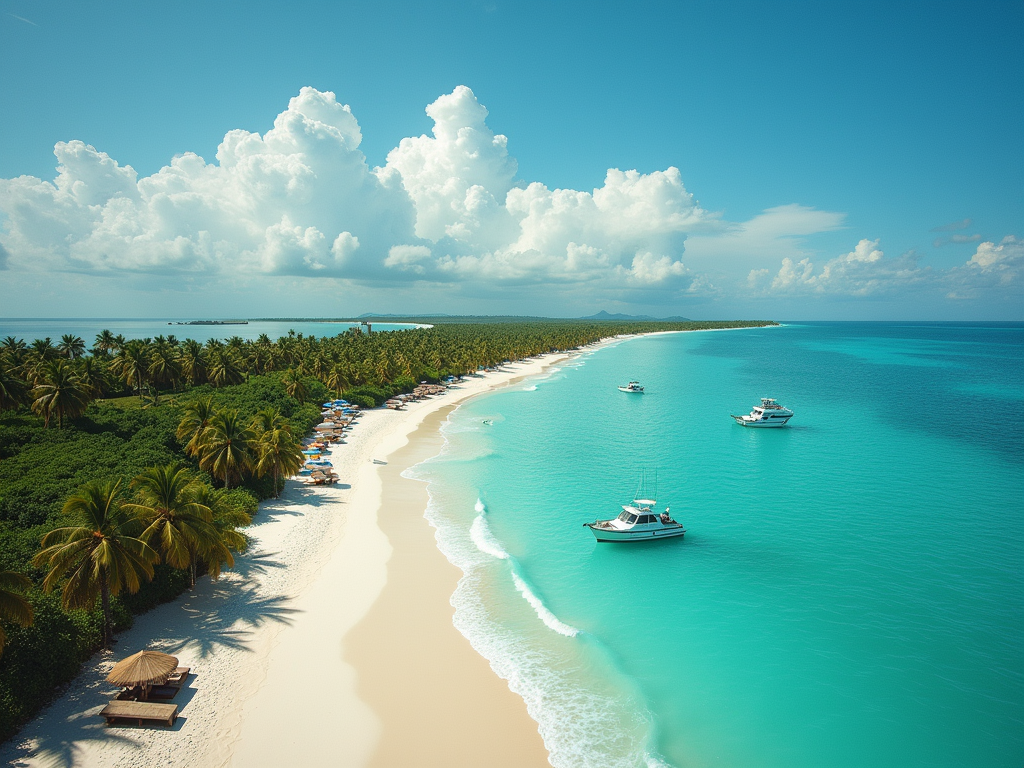
While everyone’s fighting for a decent WiFi signal in Ubud or dropping $800 a night in the Maldives, Mexico just quietly installed fiber optic cables that deliver 200+ Mbps speeds along pristine beaches where tacos cost $2.
Yeah, you read that right.
The digital nomad crowd discovered something the Instagram influencers missed: Mexico’s not just competing with Bali anymore – it’s absolutely crushing it.
And before you roll your eyes thinking this is another ‘Cancun is great’ piece, hold up. We’re talking about places where whale sharks swim past your morning coffee spot. Where ancient Mayan ruins sit next to coworking spaces.
Where you can actually afford to stay longer than a week without selling a kidney long enough, in fact, to commit to things like learning Spanish, surfing seriously, or even enrolling in a Divemaster internship while working remotely.
The real kicker? Mexico’s infrastructure upgrades over the past six months have transformed sleepy beach towns into remote work paradises that make Bali’s overcrowded cafes look like dial-up disasters.
The Hidden Truth: Why Mexico’s Infrastructure Now Outshines Bali’s Digital Promises
Here’s what nobody’s telling you about Bali’s WiFi situation: it’s a disaster wrapped in a pretty sunrise photo.
Those dreamy cafes in Canggu? Lucky to get 10-30 Mbps on a good day. And that’s if you can find a seat among the 47 other laptop warriors fighting for the same unstable connection.
Meanwhile, Playa del Carmen just finished installing fiber optic networks that hit 200+ Mbps consistently. Not sometimes. Not on good days. Consistently.
Let’s get real specific here. Tulum’s Aldea Zama neighborhood now has dedicated fiber lines running to every single rental. Puerto Vallarta’s Romantic Zone upgraded their entire grid last year. Even tiny Holbox Island – population 2,000 – has better internet than most of Seminyak.
How’s that for a plot twist?
The infrastructure gap goes way beyond internet though. Mexico’s power grid is stable. No daily blackouts like in parts of Bali. The water’s actually drinkable in many areas with proper filtration. And get this – Mexican ATMs don’t randomly eat your card like it’s a snack.
But here’s the part that really gets me: Mexico did all this without turning into a tourist circus. While Bali’s building another infinity pool for Instagram, Mexican towns are installing actual infrastructure that works. Selina coworking spaces popped up in 15+ Mexican beach destinations. Outsite created backup office spaces with redundant internet connections. Even the local government got involved, recognizing that remote workers spend 3x more than regular tourists.
The verdict? If you’re serious about working remotely from paradise, Mexico’s not playing catch-up anymore.
It already won.
But reliable WiFi means nothing if you’re bleeding money faster than a broken piñata…
Twice the Experience at Half the Cost: Breaking Down Mexico vs Maldives Value
Let’s talk numbers that’ll make your accountant weep tears of joy.
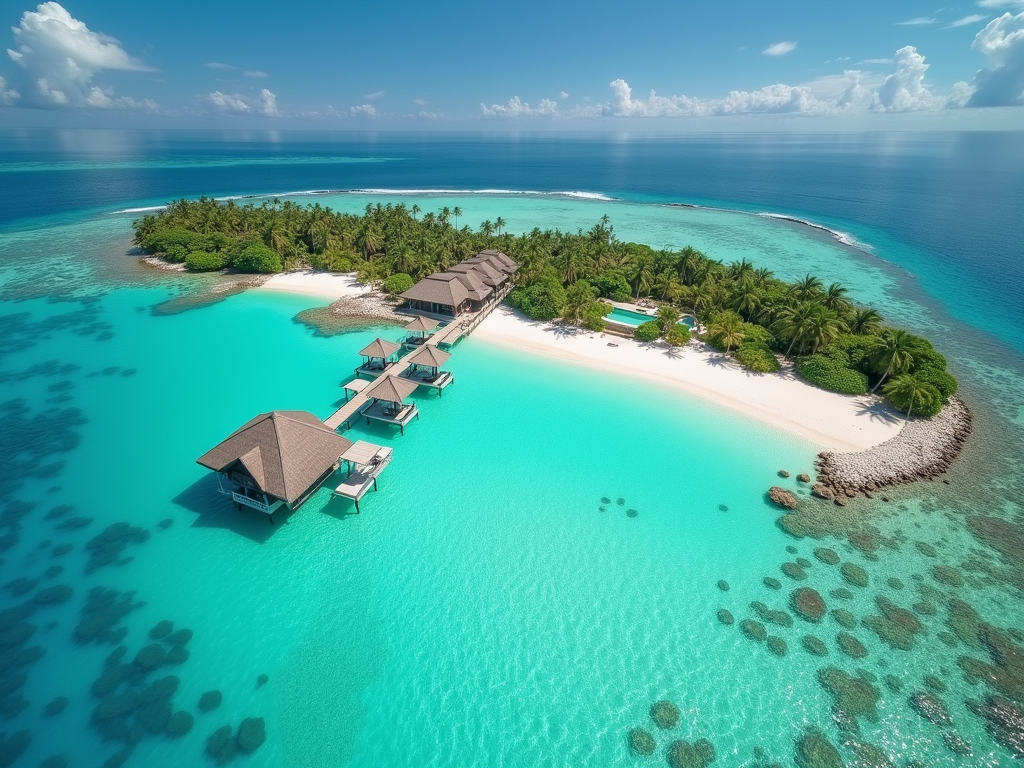
That overwater bungalow in the Maldives? $800+ per night minimum. And that’s before the $15 bottles of water and $200 dinner bills hit your credit card like a hurricane.
Meanwhile, I’m sitting in a beachfront apartment in Puerto Vallarta that costs $1,500 for the entire month. With a kitchen. And a pool. And a view that’d make the Maldives jealous.
Here’s the breakdown nobody wants to publish because it ruins the luxury narrative:
A month in the Maldives costs around $12,000 for basic comfort. That same month in Mexican paradise? $2,500 including food, activities, and probably too many margaritas. We’re not talking about roughing it either. This is luxury living at normal-human prices.
The food situation alone deserves its own love letter. Maldives offers maybe 10 dishes, mostly imported at insane markups. Your breakfast costs more than a Mexican family’s weekly groceries.
Mexico? Try 50+ local specialties that cost less than your morning latte back home. Fresh ceviche for $6. Lobster tacos for $8. An entire feast at a family-run restaurant for what you’d pay for an appetizer in Male.
But here’s what really tips the scales: variety.
The Maldives is gorgeous, sure, but it’s one note. Beach, water, repeat. Eventually even paradise gets predictable.
Mexico serves up beaches AND colonial cities AND jungle ruins AND mountain towns AND desert landscapes. You could spend years here and never run out of experiences. Puerto Vallarta alone offers more restaurants than most Maldivian islands combined. Tulum has art galleries next to cenotes. Los Cabos delivers desert meeting ocean drama. Holbox lets you swim with whale sharks in the morning and learn salsa at night.
Try finding that combo on a tiny atoll surrounded by nothing but water.
Beyond the Beach: Mexico’s Cultural Advantage Over Island Isolation
Here’s the dirty secret about island paradises: they get boring. Fast.
Sure, Bali has temples, but after your 15th sunset ceremony where you’re herded like cattle with 200 other tourists, you start craving something more. The Maldives? Beautiful prison cells surrounded by water. No culture. No variety. Just expensive isolation.
Mexico? That’s where things get interesting.
Take Holbox Island. May through September, whale sharks – the ocean’s gentle giants – cruise past like it’s their personal highway. But unlike sanitized resort experiences, Holbox keeps it real. Local fishermen run the tours. The money stays in the community. You’re eating at family restaurants where abuela still makes the tortillas by hand every morning.
The cultural depth hits different here. Bali’s been so commercialized that finding authentic experiences requires a treasure map and a time machine. Every “local” ceremony has a price tag. Every “authentic” village charges entrance fees.
Mexico? Walk two blocks from any beach and you’re in real neighborhoods. Kids playing soccer in the street. Vendors selling elote from carts older than you. Families gathering for Sunday lunch at the same spot for three generations. It’s not a show for tourists – it’s actual life happening around you.
Let me paint you a picture. Last month in Sayulita, I watched a traditional Day of the Dead celebration. Not the touristy version – the real deal. Families decorating graves with marigolds. Sharing stories about their ancestors. Kids running around with sugar skull face paint. Nobody was charging admission or selling photo ops.
Try finding that authenticity in a Maldivian resort where the staff outnumbers guests 3-to-1 and everyone’s trained to perform “local culture” on cue.
Mexico doesn’t isolate you in a paradise bubble. It invites you in. Spanish classes with locals who become actual friends. Cooking lessons in someone’s home kitchen, not a sanitized hotel setup. Surf sessions where the instructor’s teaching his own kids alongside you.
This isn’t manufactured connection – it’s the real thing.
The infrastructure supports this cultural immersion too. Reliable buses to explore inland. Safe neighborhoods to wander at night. Local markets that don’t see you as a walking ATM. Mexico works as an actual place to live, not just a backdrop for vacation photos.
The Places Instagram Forgot: Mexico’s Hidden Gems That Beat Both Bali and Maldives
Everyone knows Cancun. Most have heard of Tulum. But Mexico’s real treasures? They’re hiding in plain sight while everyone’s busy geotagging Seminyak.
Huatulco sits on nine pristine bays with maybe 10% of Tulum’s crowds. The government protected this place from overdevelopment, so you get virgin beaches with actual infrastructure. Fiber internet? Check. International airport? Check. Crowds of influencers doing yoga poses for content? Nowhere to be found.
Isla Mujeres makes the Maldives look tryhard. Twenty minutes from Cancun but feels like another planet. Golf carts instead of cars. Beach bars where locals outnumber tourists. Snorkeling spots that haven’t been destroyed by boat traffic. And here’s the kicker – you can rent a two-bedroom house with ocean views for less than a Maldivian breakfast.
Riviera Nayarit stretches north from Puerto Vallarta with beach towns that haven’t sold their souls yet. Sayulita for surfers. San Pancho for artists. Punta Mita for those who want luxury without the attitude. Each town has its own vibe, its own community, its own reasons to stay longer than planned.
Then there’s the Oaxaca coast. Puerto Escondido attracts surfers who got tired of Bali’s circus. Mazunte brings the hippie vibes without the trust fund prices. Zipolite doesn’t care about your Instagram following. These places have what Bali lost – authenticity without apology.
The best part? Mexican paradise destinations connect. Bali makes you fly or take sketchy boats between islands. The Maldives traps you on one resort.
Mexico? Hop a comfortable bus. Rent a car and road trip. Take a domestic flight that costs less than dinner in Male. You can beach-hop, city-explore, and mountain-climb all in the same trip. Try doing that when you’re stuck on a picture-perfect prison atoll.
Look, I Get It
Bali and the Maldives have great PR teams. Those infinity pool photos hit different. The overwater bungalow dreams die hard.
But if you’re ready to stop chasing Instagram moments and start living the actual dream, Mexico’s been patiently upgrading itself into the ultimate remote work paradise.
Better infrastructure than overrated Bali. More value than overpriced Maldives. And cultural experiences that don’t require an anthropology degree to find.
The revolution already happened. We just weren’t paying attention because we were too busy fighting for WiFi in Canggu cafes.
Your move now? Stop scrolling through #BaliLife posts and check those Mexico flight prices. Compare monthly rentals in Puerto Vallarta versus your current rent. Join the Playa del Carmen Digital Nomads Facebook group. Research which Mexican paradise fits your vibe – party-hearty Tulum, chill Holbox, or sophisticated Puerto Vallarta.
Because while everyone else is fighting for WiFi in Ubud, you could be crushing deadlines beachside with 200 Mbps and a $2 taco. While they’re going broke in the Maldives, you could be living like royalty for regular-person prices.
That’s not just twice as nice – that’s game over.
Mexico won. The rest of the world just doesn’t know it yet.


