
The Spring Harvest Method: Natural Easter Basket Cupcakes That Actually Taste Like Spring

Let me tell you something nobody talks about. Those neon-bright Easter cupcakes at the grocery store? They taste like food coloring and regret.
I discovered this the hard way last spring when my daughter took one bite of a store-bought Easter basket cupcake and said, ‘Mom, why does the grass taste like plastic?’
That’s when it hit me. We’ve been doing Easter desserts all wrong.
While everyone’s reaching for artificial dyes and pre-made decorations, spring is literally exploding with colors and flavors right outside our doors. Beet juice creates stunning pinks. Spinach makes the most gorgeous natural green frosting. And those edible flowers at the farmers market? They’re not just for fancy restaurants.
This isn’t about being precious or Instagram-perfect. It’s about creating Easter basket cupcakes that actually celebrate spring instead of fighting against it.
The best part? Natural decorating is actually easier than wrestling with fondant. No special tools. No Amazon orders. Just real ingredients that make your kitchen smell like April instead of a craft store.
Why Natural Spring Ingredients Transform Easter Basket Cupcakes
Here’s what blew my mind when I started experimenting with natural colors. Turmeric doesn’t just make things yellow – it creates this warm, golden sunshine color that artificial dye can’t touch. And the taste? A subtle earthiness that balances sweet frosting perfectly.
Most people don’t realize that natural food coloring has been around forever. Our great-grandmothers were making pink frosting with beets while we’re over here squeezing bottles of Red 40.
The difference is night and day.
Natural colors shift and deepen as they sit. They respond to light. They’re alive in a way that synthetic colors never will be.
Take purple cabbage. Sounds gross in a cupcake, right? Wrong. Boil it down, strain it, and you’ve got the most ethereal lavender frosting base. Add a touch of lemon juice and watch it turn pink. It’s basically kitchen magic. And unlike artificial colors that taste bitter or metallic, cabbage adds zero flavor to your frosting. Just color.
The real game-changer is understanding seasonal timing. March spinach is sweeter and more vibrant than May spinach. Early spring carrots have more natural sugars. Those first strawberries of the season? They’ll give you a pink that makes artificial dye look like a bad spray tan.
I learned this from a farmer at our local market who laughed when I asked about ‘decorating vegetables.’ She said, ‘Honey, everything I grow decorates something.’
She was right.
Even herb flowers – basil, chive, thyme – become tiny edible decorations that actually taste like spring. Not like plastic. Not like nothing. Like the actual season you’re celebrating.
Now that you understand why natural ingredients work better, let me show you exactly how to turn farmers market finds into Easter basket cupcakes that’ll make people forget artificial decorations exist.
The 5-Step FRESH Method for Natural Easter Basket Cupcakes
Stop overthinking and start extracting. You don’t need fancy equipment. Got a pot? Got a strainer? You’re halfway there.
Here’s my FRESH method that changed everything:
Find your colors at the market or garden. Saturday mornings work best – vendors often discount herbs and greens that won’t last another week. Perfect for our purposes. I once scored a massive bundle of beet greens for two dollars because they were ‘too wilted to sell.’ Those wilted leaves made the most stunning natural green dye.
Render your colors using heat or raw extraction. Beets need gentle simmering. Berries just need mashing and straining. Spinach? Blanch it, shock it in ice water, then blend and strain. The liquid gold that comes out will make you wonder why anyone buys food coloring.
Extract maximum color by adding a splash of lemon juice to reds and purples, or baking soda to greens and yellows. Chemistry, baby. It works.
Stabilize everything with natural thickeners. Forget the chemical stabilizers. A tiny bit of arrowroot powder or agar keeps your colors bright and your frosting pipe-able. One eighth teaspoon per cup of frosting. That’s it.
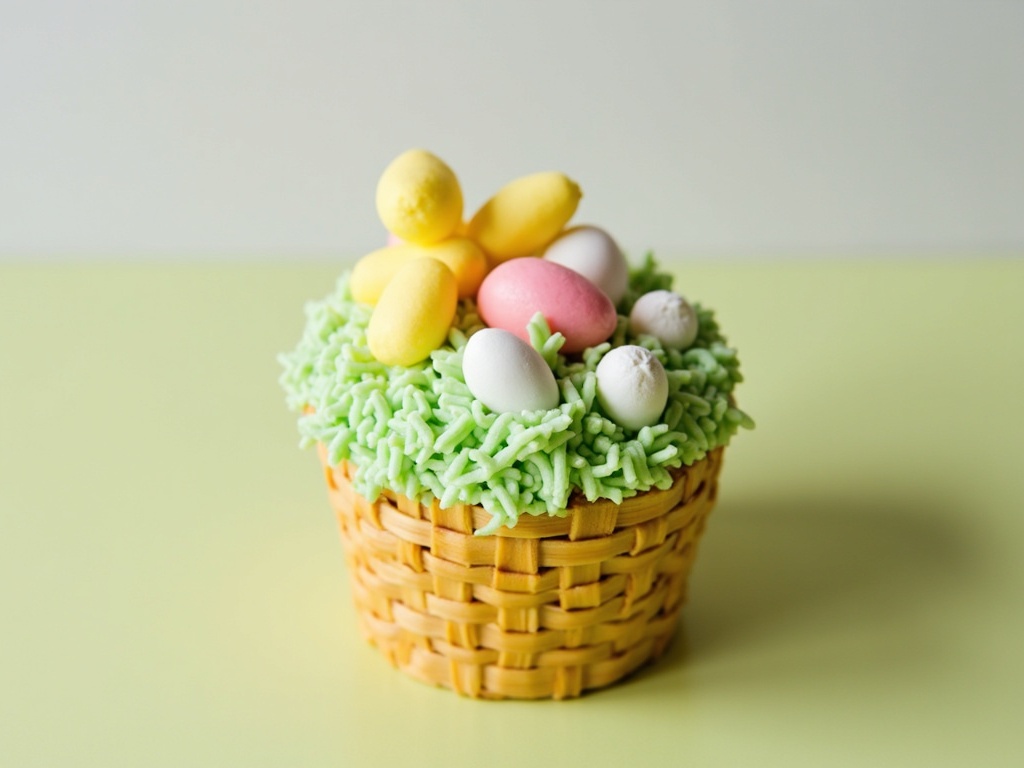
Harmonize your decorations. This is where people usually panic. ‘How do I make it look like a basket?’ they ask. Stop trying so hard. Real baskets aren’t perfect. Use a small round tip to pipe overlapping lines. Natural imperfections look intentional, not sloppy.
The grass is even easier. That fancy grass tip everyone says you need? Unnecessary. Use a regular star tip and quick upward motions. Natural green frosting made from spinach already looks more realistic than that nuclear green stuff. Add some microgreens on top – actual edible grass – and watch people’s minds explode.
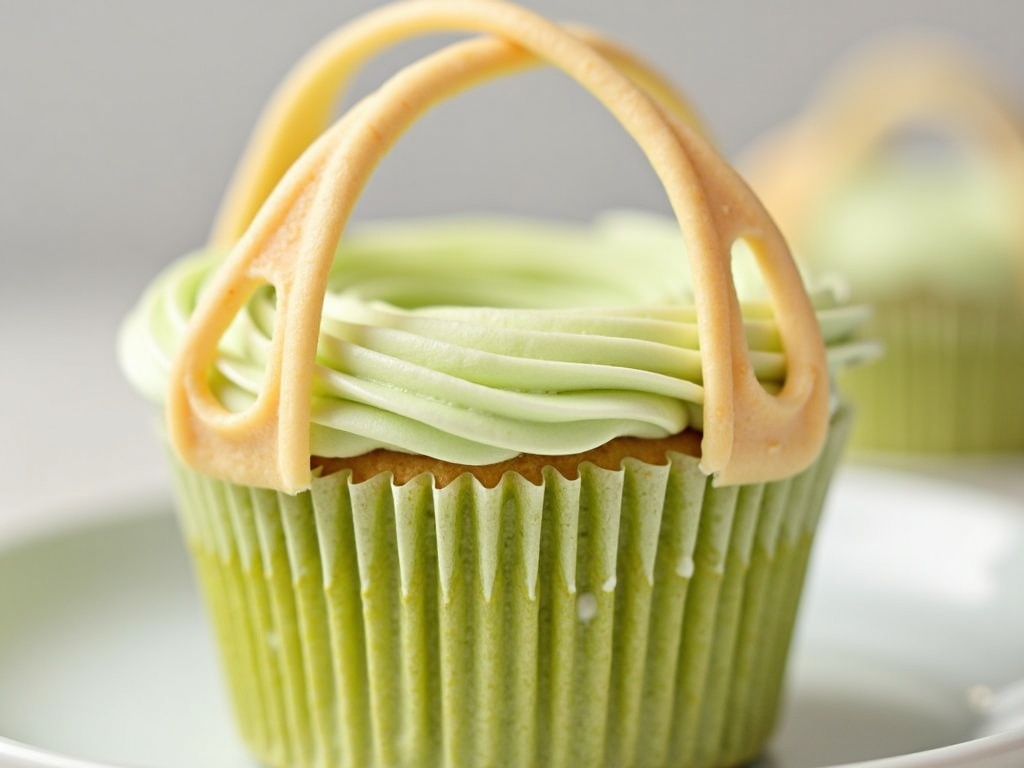
For handles, everyone’s still using Twizzlers like it’s 1995. Try candied orange peels cut into strips. Or braided herbs dipped in sugar syrup. They taste better and look like you actually tried.
Of course, natural decorating comes with its own challenges. Let me save you from the mistakes I made so you don’t waste half your farmers market haul.
Troubleshooting Natural Decorations (So You Don’t Waste Your Beets)
The biggest lie about natural food coloring? That it’s unpredictable. Nope. It’s just different.
Natural colors fade in direct sunlight – so don’t leave your Easter basket cupcakes on the windowsill for three hours like I did that first time. Rookie mistake. They also intensify over time, especially reds and purples. Make your frosting a day ahead and watch the colors deepen.
Temperature matters more than anyone tells you. Natural frosting needs to stay cool. Not cold – that makes it impossible to pipe. Cool. Like 65-68 degrees. Any warmer and your beautiful basket weave turns into abstract art. I keep a bowl of ice water nearby and dip my hands in it between piping. Weird? Maybe. Effective? Absolutely.
Here’s what nobody mentions about natural stabilizers. Agar sets fast. Really fast. You’ve got about 90 seconds from mixing to piping before it starts firming up. Work in small batches. Quarter cup at a time. Yes, it’s more dishes. Yes, it’s worth it.
The basket weave texture everyone stresses about? It’s more forgiving with natural frosting because the slight variations in color create depth. Those tiny inconsistencies that would show with artificial coloring become features, not bugs.
Color fading is real but manageable. Add your natural dye right before using, not during the initial frosting prep. Keep decorated cupcakes covered and cool. And here’s the secret – a tiny bit of vitamin C powder (like an eighth of a teaspoon per batch) keeps colors bright for days. Learned that from a pastry chef who swore me to secrecy. Oops.
The most common mistake? Giving up after one attempt. Natural decorating has a learning curve. Your first batch might look like kindergarten art. So what? They’ll taste incredible. By batch three, you’ll be piping Easter basket cupcakes that look better than anything from a grocery store.
Because they’re real. Because you made them. Because they actually taste like spring.
Ready to put all this knowledge into action? Here’s your complete roadmap for creating spring harvest cupcakes this weekend.
Your Weekend Game Plan for Natural Easter Basket Cupcakes
Saturday morning, 9 AM. Hit your farmers market with twenty bucks and a mission. You’re looking for three things: beets (any kind, even the greens work), spinach (the darker the better), and berries (strawberries for pink, blueberries for purple).
That’s your entire color palette. Done.
Back home, start with the beets. Peel two medium ones, chop them rough, simmer in two cups of water for 30 minutes. Strain. You’ve got pink dye that would make Barbie jealous.
Spinach next. One bunch, blanched for 30 seconds, shocked in ice water, blended with just enough water to make it smooth. Strain through cheesecloth or a fine mesh. Green gold.
Berries are easiest. Mash a cup with a fork, let sit for 10 minutes, strain. The color is already there.
Now here’s where most people mess up. They try to make cupcakes from scratch while juggling natural dyes. Don’t be a hero. Use a box mix for your first run. Vanilla or lemon. Save your energy for the decorating.
Make your buttercream base – and please, use real butter. The fake stuff doesn’t hold natural colors right. Divide into three bowls. Add your colors slowly, drop by drop. Natural dyes are concentrated. You need way less than you think.
Practice your basket weave on parchment paper first. Small round tip, steady pressure, overlapping horizontal then vertical lines. Mess up? Scrape it off and try again. It’s just frosting.
Once you nail the technique, pipe your baskets. Add the grass – quick upward strokes with a star tip. Plop some candy eggs on top (or better yet, sugared almonds colored with your same natural dyes).
The handles are optional. Honestly, half the time I skip them because the cupcakes look perfect without. But if you want to show off, those candied orange peels I mentioned? Game changer.
Look, I’m not saying you need to grow your own wheat and mill your own flour.
That’s not what this is about. This is about taking back Easter from the artificial color industrial complex. It’s about cupcakes that taste like the season they’re celebrating.
Next Saturday, hit your farmers market. Grab three things: beets, spinach, and whatever berries look good. That’s your color palette sorted. Practice the extraction methods on small amounts first. Make a test batch of cupcakes – nothing fancy, just vanilla from a box mix if that’s what you’ve got.
The magic happens in the decorating.
Once you pipe that first basket with frosting that you colored yourself, using vegetables you picked out, you’ll get it. Once your kid bites into green frosting and doesn’t make a face because it actually tastes good, you’ll never go back. Once you serve these at Easter brunch and watch people’s faces when you tell them the pink comes from beets, you’ll be hooked.
This isn’t just about making prettier Easter basket cupcakes. It’s about connecting what we eat to where it comes from. It’s about celebrating spring with actual spring ingredients. It’s about proving that natural doesn’t mean complicated.
It means better.