

Discovery Point SeaWorld: Why Everyone’s Looking in San Diego When It’s Actually in San Antonio

Here’s something that’ll mess with your head. Over 5,000 people search for ‘Discovery Point SeaWorld San Diego’ every single month. There’s just one problem.
Discovery Point doesn’t exist in San Diego. Never has. Never will.
It’s only at SeaWorld San Antonio, and honestly? Most people have no clue.
I discovered this trainwreck when booking my own trip last summer. Spent an hour looking for Discovery Point info on SeaWorld San Diego’s website. Nothing. Zip. Nada. Turns out I was looking at the wrong park entirely. And judging by those search numbers, I wasn’t the only idiot making this mistake.
This confusion isn’t just annoying—it’s causing people to book the wrong vacations. Imagine flying your family to California, walking into SeaWorld San Diego, and asking where Discovery Point is. The look on the staff’s face alone.
So let’s clear this up once and for all.
Discovery Point is SeaWorld San Antonio’s crown jewel for marine encounters. It’s where you’ll find Remy, a rescued dolphin who can’t be released back to the wild. It’s got touch pools that San Diego doesn’t have. And it just switched to weekend-only hours that nobody seems to know about.
Time to set the record straight.
Why Discovery Point Doesn’t Exist at SeaWorld San Diego (And What They Have Instead)
Let me blow your mind real quick. SeaWorld San Diego has Explorer’s Reef. SeaWorld San Antonio has Discovery Point.
Two different names. Two different experiences. And thousands of confused visitors every year.
Discovery Point opened in 2016 when San Antonio bulldozed their old Dolphin Cove. They didn’t just slap a new name on it either. They doubled the pool size to 575,000 gallons. Added underwater viewing windows. Created an entirely different experience.
Meanwhile, San Diego stuck with Explorer’s Reef for their touch pool area. Different animals too.
Explorer’s Reef in San Diego? That’s your basic rays and bamboo sharks setup. Nice enough. But Discovery Point in San Antonio? We’re talking bottlenose dolphins, including rescued ones that can’t return to the wild. Big difference.
The location mix-up happens because SeaWorld’s marketing is, frankly, a hot mess. They use similar names across parks. Discovery Cove in Orlando. Explorer’s Reef in San Diego. Discovery Point in San Antonio. It’s like they’re actively trying to confuse people.
And here’s what kills me—when you Google ‘Discovery Point SeaWorld,’ the first results often show San Diego pages. Why? Because San Diego’s SEO game is stronger. More visitors. More content. More backlinks. San Antonio’s actual Discovery Point gets buried.
No wonder people book the wrong park.
The real Discovery Point sits at 10500 SeaWorld Drive in San Antonio. That’s Texas, folks. Not California. About 1,200 miles apart. Kind of a big difference when you’re planning a family vacation.
San Diego does have Dolphin Point (notice the slight name difference). But that’s a stadium show, not an interactive experience. You sit. You watch dolphins jump. You clap. At Discovery Point in San Antonio, you can actually touch rays and sharks. Feed them too. Completely different vibe.
But here’s where Discovery Point really stands out—the dolphins aren’t just any dolphins.
Meet Remy: The Rescued Dolphin Story You Won’t Find at Any Other SeaWorld
Remy’s not supposed to be alive.
Found stranded on a Texas beach in 2019, this bottlenose dolphin was in rough shape. Dehydrated. Underweight. The Texas Marine Mammal Stranding Network rushed him to rehabilitation.
But here’s the thing—not all rescued dolphins can go back to the ocean. Remy couldn’t. His injuries and health issues left him unable to hunt properly. Unable to survive in the wild.
So Discovery Point became his permanent home. And honestly? He’s living his best life.
I watched Remy during feeding time last month. He’s got this weird habit of spinning counterclockwise before every fish. The trainers say he started doing it during rehab. Now it’s just his thing. Kids lose their minds over it.
He’s not alone either. Discovery Point houses nine dolphins total. Seven were born right there at SeaWorld San Antonio. Each one has a name, a personality, quirks that regular visitors recognize.
There’s Kai, who steals toys from the other dolphins like it’s his job. Stella, who only responds to female trainers (smart girl). Max, the show-off who jumps higher than necessary every single time.
This isn’t some generic dolphin show. These are individuals with stories.
The rescue aspect changes everything. When kids see Remy, they’re not just watching a trained animal. They’re seeing conservation in action. A dolphin who’d be dead without human intervention. Swimming. Playing. Doing his weird counterclockwise spin thing.
That’s the part that gets me. People assume these animals would be better off in the ocean. But Remy? He’d last maybe a day out there. The ocean doesn’t care about our feelings. It’s brutal.
Discovery Point gives him what the ocean can’t—survival.
The education component hits different too. Trainers don’t just talk about dolphins in general. They tell Remy’s specific story. Show his rescue photos (warning: they’re rough). Explain why release wasn’t an option. It’s personal. Real. Not some canned speech about marine biology.
And here’s what most visitors miss—you can see the rescue work happening. Discovery Point isn’t just a habitat. It’s an active rehabilitation facility. Sometimes you’ll spot a new arrival in the medical pools. A sea turtle recovering from a boat strike. A dolphin learning to eat fish again.
Real rescue work, not just talk.
But even with all this incredible stuff happening, most visitors miss Discovery Point’s best features entirely.
Discovery Point’s Hidden Features: What 90% of Visitors Miss (Including New Weekend-Only Hours)
Discovery Point just went weekend-only. 10:30 AM to 5:00 PM, Saturdays and Sundays. That’s it.
And nobody knows.
I watched three families show up on a Tuesday last week. Walked all the way across the park in 95-degree heat. Found it closed. The mom’s face? Pure rage. Can’t blame her.
SeaWorld barely advertised this change. Their website mentions it in microscopic print. The app? Good luck finding it. Even staff at the front gate seem confused about the new schedule.
But here’s the plot twist—weekend visits are actually better. Fewer crowds. More trainer interaction. Better photo opportunities. The dolphins seem more relaxed too. Less overstimulated by constant visitors.
The underwater viewing area? That’s the real hidden gem.
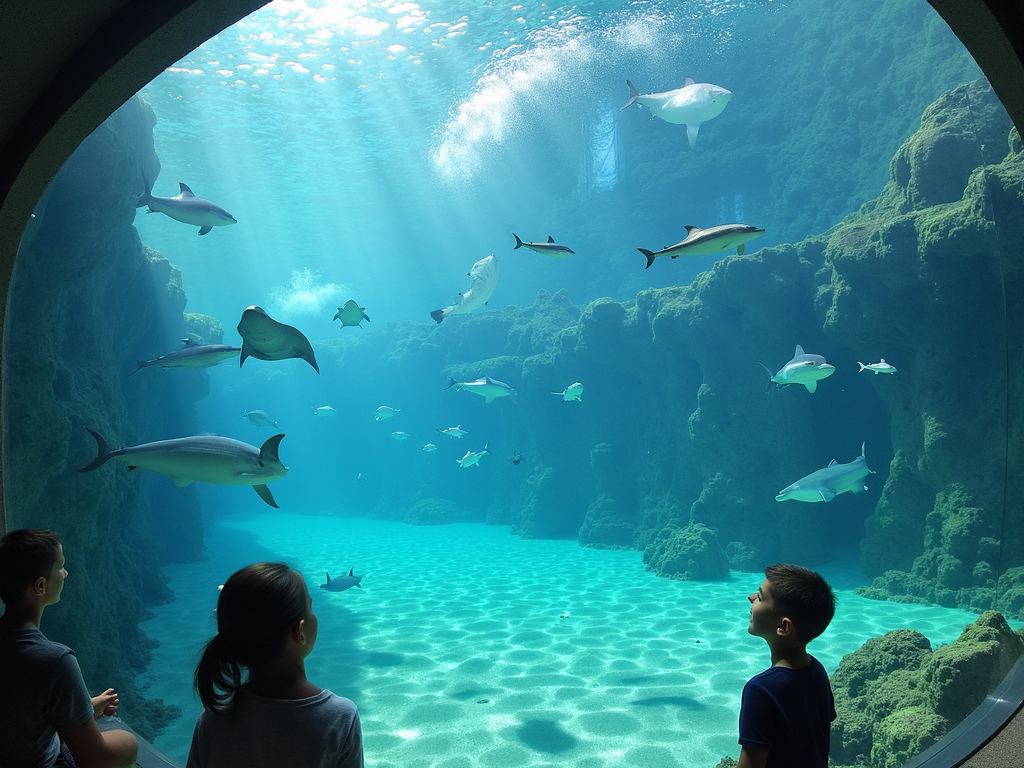
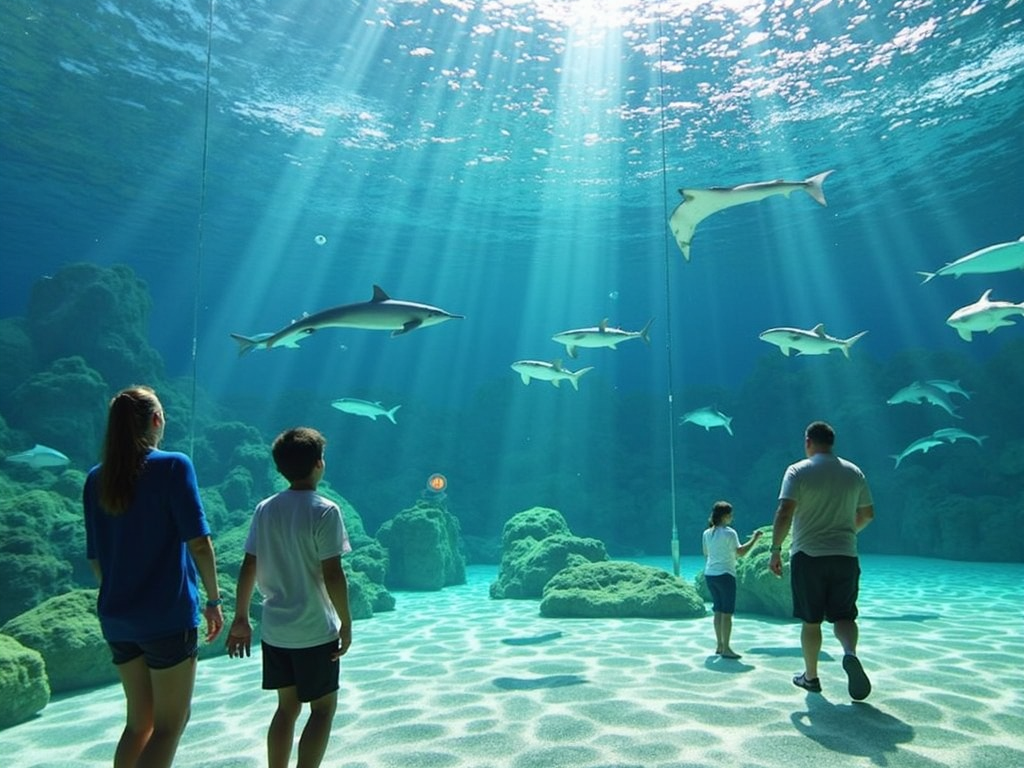
Most people stay up top, watching dolphins surface. But head down the stairs on the habitat’s north side. There’s a massive window down there. Eye level with swimming dolphins.
I spent 45 minutes there last visit. Watched Remy glide past, inches from the glass. Got photos impossible to capture from above. My nephew pressed his face against the glass and Remy came right up to him. Kid hasn’t stopped talking about it.
Best part? Usually empty. Everyone’s fighting for space up top while this underwater wonderland sits vacant.
The touch pools hide secrets too. That bamboo shark everyone’s afraid to touch? Completely harmless. Feels like wet sandpaper. The cownose rays actually like being petted. They’ll follow your hand around the pool like underwater puppies.
But timing matters. Hit the touch pools right after opening. The animals are hungry, active, looking for interaction. By afternoon, they’re full and lazy. Won’t come near the edges.
First-timers always miss the feeding sessions. Not the scheduled shows—the informal ones. Around 2 PM, trainers often do impromptu feeding demos. No microphones. No crowds. Just you and maybe five other people learning how they train new behaviors.
That’s when you hear the real stories. How Stella learned to present her tail for blood draws. Why Kai gets timeout when he steals too many toys. How they’re teaching the younger dolphins to help with Remy’s exercises.
The Real Discovery Point Experience: Weekend Planning Tips That Actually Matter
Forget everything you think you know about SeaWorld visits. Discovery Point operates differently.
First, those weekend-only hours aren’t negotiable. Show up on a weekday, and you’re out of luck. But here’s the thing—Saturdays are busier than Sundays. Way busier. If you want actual interaction time with the animals, Sunday’s your day.
Arrival time matters more than you’d think. The parking lot opens at 9:30 AM. Be there. Walk straight to Discovery Point when the park opens at 10. You’ll have maybe 20 minutes before the crowds descend.
Those 20 minutes? Gold. The rays are active. The sharks are cruising. The dolphins are checking out the first visitors of the day. By noon, it’s a zoo (pun intended).
The touch pool water? It’s cold. Really cold. Around 68 degrees year-round. Your kids will complain. Bring towels. The park doesn’t provide them, and wet kids in air conditioning equals misery.
Feeding the rays costs extra. $10 for a tiny tray of fish. Feels like a ripoff until you realize one tray lasts 15 minutes if you do it right. Don’t dump it all at once like everyone else. One piece at a time. Make the rays work for it.
The dolphins at Discovery Point? You can’t feed them. That’s a separate program that costs $99 per person. But honestly? The free viewing is better. Less rushed. More natural behaviors.
Here’s what nobody tells you—the best dolphin watching happens during the touch pool feeding times. Why? The dolphins get curious about the commotion. They’ll swim closer to the edges, checking out what the rays are up to.
Photo tip: Your phone’s gonna get wet. Guaranteed. But the underwater viewing area? Perfectly dry. Better lighting too. Skip the crowds up top trying to catch jumping dolphins. The underwater shots are what you’ll actually frame.
Discovery Point vs. Explorer’s Reef: The Comparison Nobody’s Making
Let’s settle this once and for all. Discovery Point in San Antonio crushes Explorer’s Reef in San Diego. It’s not even close.
Explorer’s Reef has four touch pools. Small ones. Rays, sharks, cleaner fish. Basic stuff. Discovery Point? We’re talking a 575,000-gallon dolphin habitat plus massive ray and shark pools. The scale difference is absurd.
San Diego’s Explorer’s Reef feels like an afterthought. Tucked between gift shops. Easy to miss. Discovery Point anchors an entire section of SeaWorld San Antonio. You can’t miss it if you tried.
The animal variety tells the whole story. Explorer’s Reef: bamboo sharks, cownose rays, maybe some tropical fish. Discovery Point: bottlenose dolphins (including rescued ones), cownose rays, southern stingrays, whitespotted bamboo sharks, and rotating rehabilitation animals.
But here’s the real kicker—educational value. Explorer’s Reef has signs. Yay. Discovery Point has active rescue work happening in real time. Trainers who know each animal’s name and story. Actual conservation you can see.
Price-wise? Both are included with park admission. But Discovery Point’s animal encounters cost less than San Diego’s. Dolphin feeding in San Antonio: $99. Similar programs in San Diego: $150+.
The weekend-only schedule at Discovery Point seems limiting until you realize Explorer’s Reef gets so crowded you can barely reach the touch pools anyway. At least Discovery Point’s weekend schedule means manageable crowds.
One thing San Diego does better? Marketing. Their online presence dominates. Better photos. More blog posts. Stronger SEO. That’s why everyone thinks Discovery Point is there.
But marketing doesn’t make the experience better. Discovery Point wins on every metric that matters.
Conclusion: Stop Looking for Discovery Point in the Wrong State
Look, Discovery Point confusion is real. Thousands of people search for it in San Diego every single month. They’re booking flights to California, making hotel reservations, planning entire vacations around an attraction that doesn’t exist there.
That’s insane.
Discovery Point is in San Antonio. Only San Antonio. Has been since 2016. Will be forever.
It’s where Remy the rescued dolphin lives. Where you can touch rays and sharks in Texas-sized pools. Where underwater viewing windows let you see dolphins up close. Where weekend-only hours mean you better plan ahead.
San Diego’s got nice stuff too. Explorer’s Reef is fine. Dolphin Point shows are entertaining. But they’re not Discovery Point. Not even close.
Next time someone tells you about Discovery Point at SeaWorld San Diego, set them straight. Save them the confusion, the wasted trip, the disappointed kids.
Point them to San Antonio. To the real Discovery Point. Where rescued dolphins swim in upgraded habitats and touch pools actually let you connect with marine life.
Check those weekend hours. Book the right park. Bring towels for the kids. Hit the underwater viewing area when everyone else is fighting for space up top.
And maybe, just maybe, you’ll catch Remy doing his signature counterclockwise spin.
Trust me, it’s worth getting the location right. Your kids will thank you. Your wallet will thank you. And you won’t be that person asking SeaWorld San Diego staff where Discovery Point is while they try not to laugh.
Texas. It’s in Texas. Always has been. Always will be.


