

Why Your Car Emergency Kit is Useless (And How to Build One That Actually Works)

Last week, my neighbor spent 45 minutes digging through his trunk in freezing rain, looking for jumper cables he swore were ‘somewhere in there.’ Sound familiar?
Here’s the uncomfortable truth: 78% of drivers with emergency kits can’t access what they need within the first critical minutes of a breakdown. Not because they don’t have the right stuff—but because their organization system is garbage.
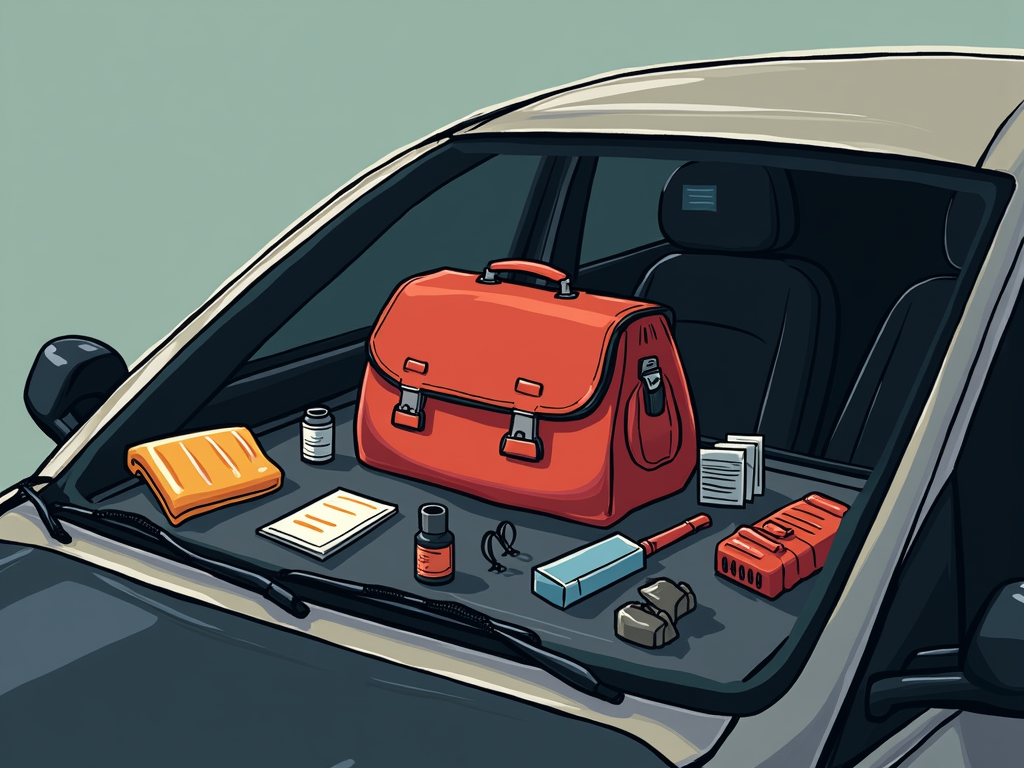
Most people throw emergency items in a bag, toss it in the trunk, and call it a day. Then panic hits, and suddenly that perfectly stocked kit might as well be on another planet.
The real problem isn’t what you carry—it’s where you put it and whether you can grab it when your hands are shaking and your brain’s gone blank.
Today we’re ditching the standard ‘here’s what to pack’ advice and building something better: a zone-based system that puts critical items exactly where you need them, when you need them. Because having alwayshaveincar items means nothing if you can’t find them.
Why Your Current Car Emergency Kit is Probably Useless (And the 3-Zone Solution)
Let me guess. You’ve got a red bag somewhere in your trunk. Maybe it came with the car, maybe you bought it after reading some article about car emergency kit essentials. Inside? A jumbled mess of flares (that expired in 2019), a space blanket that’s never been unfolded, and cables tangled like Christmas lights.
Recent surveys show something disturbing: drivers with these traditional kits don’t feel any safer than those without them. Why? Because accessibility beats inventory every single time.
Here’s what nobody tells you about real emergencies: your brain stops working normally. That fight-or-flight response? It makes simple tasks feel impossible. Finding a flashlight in a dark trunk becomes a nightmare when your adrenaline’s pumping and cars are whizzing past at 70mph.
Enter the 3-Zone System—a complete rethinking of how we organize emergency car supplies list:
Zone 1: Immediate Access (driver’s reach)
Zone 2: Quick Response (front trunk area)
Zone 3: Extended Support (deep storage)
This isn’t just random organization. It’s based on emergency response psychology and real-world panic scenarios. Zone 1 holds things to keep in car always—phone charger, flashlight, emergency contact card. Things you can grab without leaving your seat. Zone 2 contains roadside emergency essentials for the first 5 minutes—reflective triangles, basic tools, first aid. Zone 3? That’s your winter car essentials, spare fluids, items for extended waits.
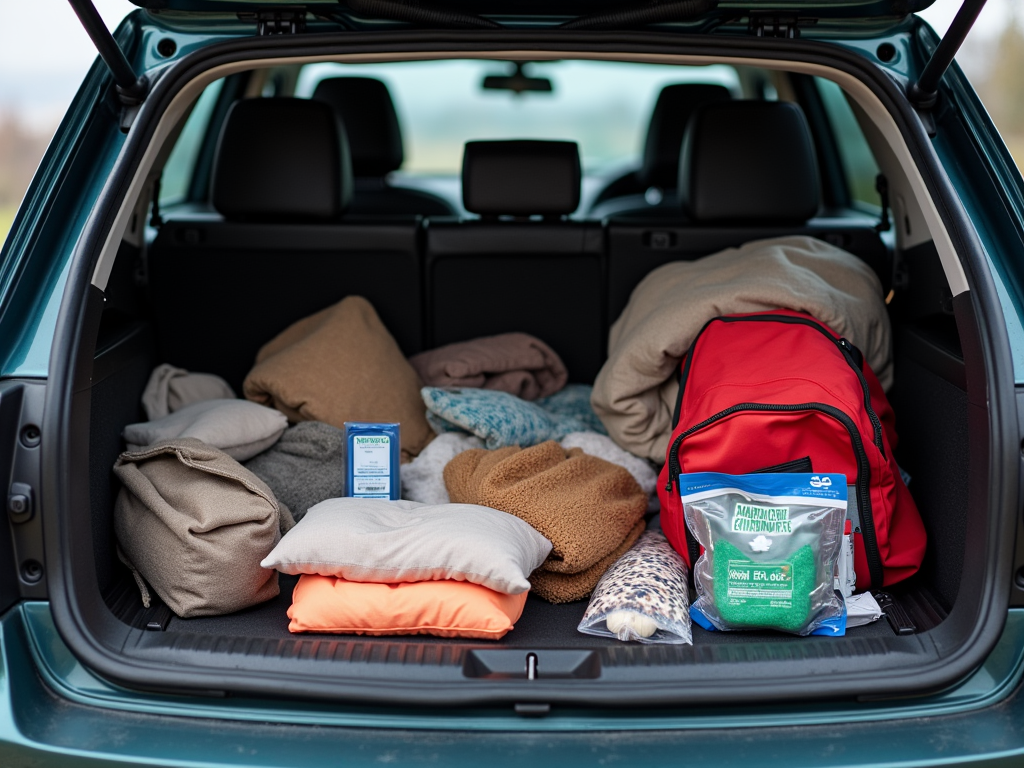
The beauty? You’re not searching. You’re following a system. And systems work when panic doesn’t.
Building Your Zone-Based Emergency System: What Goes Where and Why
Zone 1 is your lifeline. Within arm’s reach of the driver’s seat—center console, door pocket, or visor clip. Start with a USB phone charger car essential (not in the glove box where it’s useless). Add a small flashlight for car emergency—LED, with a magnetic base. Why magnetic? Because holding a flashlight while changing a tire is stupid. Stick it to your car and work with both hands. Include an emergency contact card with tow service, insurance, and that friend who actually knows about cars. Not on your phone—written down. Phones die.
Here’s the shift nobody’s talking about: ditch the flares. Reflective triangles car safety experts are pushing are taking over, and for good reason. They don’t expire, don’t burn, and are visible from further away. Modern safety regulations are moving this direction—get ahead of it.
Zone 2 lives in your easily accessible trunk area. Not buried under groceries—the front section you can reach without unpacking. Jumper cables necessity means 12-foot minimum, not those toy 6-footers. A real car first aid kit—not the bandaid variety pack. Include medications you actually use. Allergy meds, pain relievers, whatever keeps you functional. Digital tire gauge paired with a portable inflator. Fix-a-flat is garbage for anything bigger than a pinhole, but proper inflation prevents most flats anyway.
The Deep Storage Strategy
Zone 3 handles the big stuff. Seasonal items, extended support, vehicle emergency kit items you hopefully never need. Winter means traction aids—forget kitty litter, modern traction boards weigh less and work better. Summer? Extra water, cooling towels, sunscreen. Year-round: emergency blanket for car (the real kind, not mylar), energy bars that won’t melt or freeze, basic tools including that multi tool for car everyone says to carry but nobody explains how to use.
The game-changer? Bright colored bags or containers for each zone. Yellow for Zone 1, Orange for Zone 2, Red for Zone 3. Color coding works when your brain doesn’t. These car trunk organizer essentials make the difference between fumbling and finding.
Customizing for Climate, Commute, and Family: Beyond One-Size-Fits-All
Your Phoenix emergency kit shouldn’t look like your Minneapolis kit. Obvious? Sure. Yet most people run the same setup year-round. Climate customization starts with honest assessment. Winter driving essentials need ice scrapers within reach (Zone 1, not trunk), hand warmers that actually work (chemical, not those air-activated disappointments), and traction aids that match your region. Sand works on ice, doesn’t work on snow. Traction boards handle both.
Summer shifts priorities completely. That emergency water everyone mentions? It’s not for drinking—it’s for your radiator. Water bottles for car drinking go in insulated bottles, rotated monthly. Add cooling towels, electrolyte packets, and windshield sun shades. Ever tried changing a tire on Arizona asphalt in July? That emergency blanket becomes a ground cover real quick.
Distance Makes the Difference
Commute distance changes everything. Under 20 miles? Streamline to basics—you’re never far from help. Over 50? Add redundancy. Two phone chargers, backup flashlight, extra snacks. Long-distance commuters need entertainment too. Stuck in traffic for hours isn’t life-threatening, but it’s miserable without podcasts downloaded offline.
Family car essential items flip the script entirely. Kids mean medications in Zone 1, not Zone 3. Diapers, wipes, and emergency food for car move up priority. That pristine organization system? Add a ‘chaos override’ section for daily kid stuff that won’t destroy your emergency access. Elderly passengers? Medication lists, emergency contacts, and comfort items become critical.
Here’s what regional customization really means: asking locals what should I always have in my car based on actual risks. Florida drivers deal with flash floods. California needs earthquake supplies. Midwest faces tornadoes. Your Zone 3 should reflect real regional risks, not generic preparedness lists.
Stop Treating Your Kit Like Insurance—Make It Work
Stop treating your car emergency kit like insurance—something you buy and forget. Start treating it like your morning coffee—something that’s exactly where you need it, when you need it.
The 3-Zone System isn’t about having more stuff. It’s about having the right must have items for car in the right place, customized for your actual life.
Your next step? Don’t reorganize everything at once. Start with Zone 1. Take five minutes today, identify three critical important things to keep in car, and put them within arm’s reach of your driver’s seat. Tomorrow, tackle Zone 2. By the weekend, you’ll have transformed that useless emergency bag into a system that actually works when panic hits.
Because the best emergency kit isn’t the one with the most car essentials checklist items—it’s the one you can actually use when your hands are shaking and help is 45 minutes away.
Remember: emergency cash in car, duct tape car uses, and all those car documents to keep mean nothing if they’re buried under last month’s Costco run. Build your zones. Test them in the dark. Then sleep better knowing you’re actually prepared—not just pretending to be.

