

Why You’ll Never Look Effortlessly Stylish (Until You Stop Trying So Hard)

Here’s something nobody tells you about those people who always look put-together: they spend less time getting dressed than you do.
Seriously.
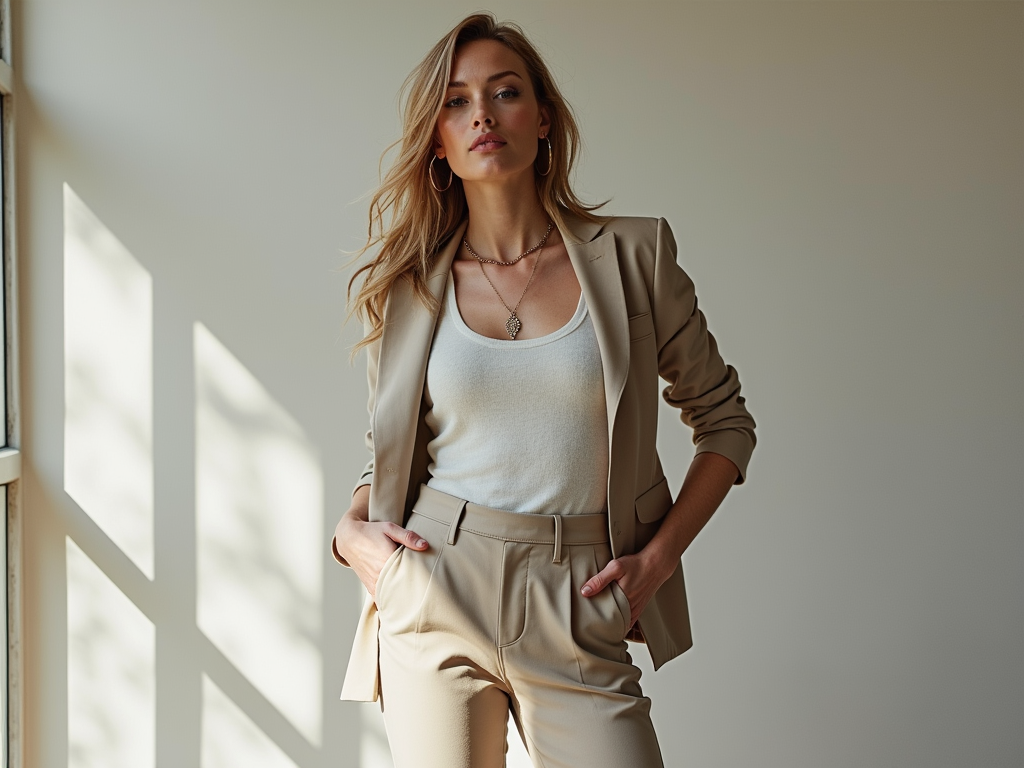
While you’re standing in front of your closet having an existential crisis, they’re already out the door looking like they stepped out of a magazine.
The difference? They’ve cracked the code that has nothing to do with fashion sense and everything to do with decision science.
Recent studies show that people who reduced their wardrobes by 50% actually reported feeling more stylish. Not less. More.
Because here’s the kicker – effortless style isn’t about having the right clothes. It’s about eliminating the wrong decisions.
And if you think this is just another article telling you to buy a white graphic shirt and call it a day, you’re in for a surprise.
The Hidden Psychology Behind Effortlessly Stylish People: What Research Reveals
Let’s start with the uncomfortable truth.
You know that friend who always looks amazing? The one who throws on random pieces and somehow looks like they hired a stylist?
They’re not more talented than you. They’re not secretly rich. They’ve just figured out something most people miss entirely.
It’s called decision fatigue, and it’s killing your style.
Every morning, the average person makes about 35,000 decisions. What to eat. Which route to take. Whether to answer that text. And somewhere in that mental chaos, you’re supposed to create a killer outfit?
Please.
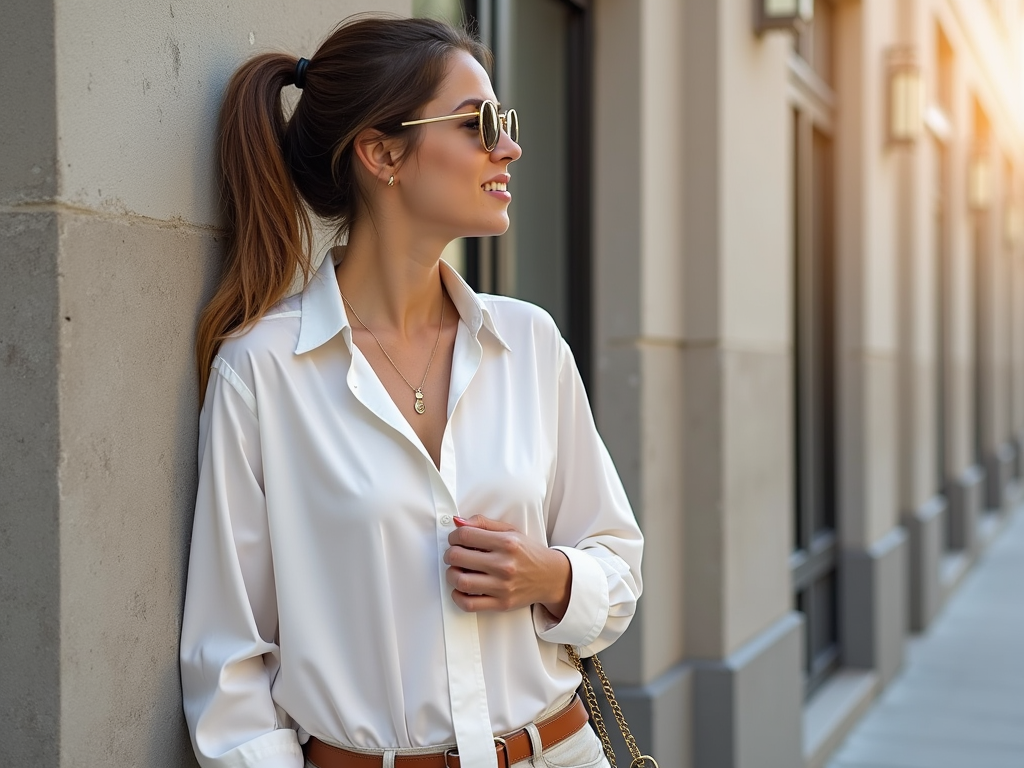
Here’s what the research actually shows: People who achieve effortless style have unconsciously developed what psychologists call ‘decision architecture.’ They’ve stripped away complexity without even realizing it.
One study tracked 100 professionals who adopted capsule wardrobes. Within 30 days, these people didn’t just save time – they reported a 40% increase in style confidence.
Not because they bought new clothes.
Because they stopped making so many damn decisions.
But wait, it gets weirder.
The same study found that participants started receiving more compliments after reducing their wardrobe options. Think about that. Less clothes, more compliments. It’s like the universe is playing a joke on everyone stuffing their closets full of ‘options.’
The real psychology at play? Something called the ‘paradox of choice.’ Barry Schwartz figured this out years ago, but nobody connected it to getting dressed. When you have too many options, your brain literally cannot process them effectively. You end up choosing poorly. Or worse – you choose nothing and wear the same black pants for the fifth day straight.
Meanwhile, effortlessly stylish people have unconsciously limited their choices. They’ve created what I call ‘style keywords’ – usually about five descriptive words that guide every clothing decision. Classic. Edgy. Comfortable. Professional. Playful. Whatever. The words don’t matter as much as having them.
One woman in the study chose ‘sophisticated, approachable, creative, polished, comfortable.’ Every single item in her closet had to match at least three of those words. Guess what happened? She went from spending 20 minutes getting dressed to spending four. And people started asking who her stylist was.
She didn’t have one. She just stopped playing fashion roulette every morning.
The Neuroscience of Effortless Style
Here’s where it gets really interesting. Brain scans show that decision-making actually depletes glucose in the prefrontal cortex. That’s the same energy you need for creative thinking, problem-solving, and not snapping at your coworker who microwaves fish.
Every outfit choice is literally stealing brain power from the rest of your day.
No wonder those effortlessly stylish people seem so damn calm. They’re not wasting mental energy on whether stripes go with florals.
Building Your Personal Style Architecture: The 3-Layer Decision System
Forget everything you’ve heard about ‘building a wardrobe.’ That phrase alone makes me want to take a nap.
Instead, let’s talk about something that actually works: the 3-Layer Decision System that stylish people use without even knowing it exists.
Layer 1: The Foundation (Your Non-Negotiables)
This isn’t about boring basics. It’s about finding the seven pieces that make you feel like yourself on steroids. Not fashion magazine you. Actual you, but better.
For one client, it was dark jeans, white sneakers, a cashmere sweater, a leather jacket, a striped shirt, black trousers, and a blazer. That’s it. Seven pieces that worked with everything else she owned.
The key? Each piece had to pass the ‘hell yes’ test. Not ‘this is nice.’ Not ‘this might work.’
Hell. Yes.
If you’re not excited to wear it, it doesn’t make the cut.
Layer 2: The Multipliers (Your Style Amplifiers)
Here’s where most people screw up. They think accessories are extras. Optional.
Wrong. Dead wrong.
Your multipliers are what transform basic into brilliant. One well-chosen scarf can make jeans and a t-shirt look intentional. A structured bag turns athleisure into street style. These are the pieces that create effortlessly chic outfits from simple foundations.
But here’s the trick nobody mentions: limit yourself to five multiplier categories. Maybe it’s scarves, belts, watches, bags, and shoes. Or glasses, jewelry, hats, jackets, and boots. Doesn’t matter. Pick five and become an expert in those five. Ignore everything else.
One woman chose statement earrings as a multiplier. She owned exactly twelve pairs. That’s it. But those twelve pairs could transform any basic outfit into something special. She became known as ‘earring girl’ at her office.
In the best way.
Layer 3: The Formulas (Your Preset Outfits)
This is the secret sauce. Effortlessly stylish people don’t create new outfits every day. They have formulas. Like recipes, but for getting dressed.
Formula 1: Jeans + Basic Tee + Blazer + Sneakers + Statement Bag
Formula 2: Trousers + Silk Blouse + Loafers + Minimalist Jewelry
Formula 3: Dress + Denim Jacket + Ankle Boots + Crossbody Bag
You need exactly five formulas. That’s 25 different outfits if you have five versions of each piece. More than enough for a month without repeating.
But here’s what makes this brilliant – you can create these formulas in advance when your brain is fresh. Sunday afternoon. Glass of wine. Music playing. Set up your formulas for the week. Morning you just has to execute, not create.
The professionals I mentioned earlier? The ones who look effortlessly put together every damn day? They’re not fashion geniuses. They just have Formula 4: Professional Base + Cardigan for day, swap to blazer for evening. Add statement necklace for dinner.
Done.
It’s almost embarrassingly simple. Which is exactly why it works.
Common Decision Traps That Sabotage Effortless Style (And How to Avoid Them)
Let me guess. Your closet is full of clothes but you have nothing to wear. You buy new things hoping they’ll magically make you stylish. You follow fashion influencers thinking you’ll absorb their style through osmosis.
Yeah, how’s that working out?
Trap #1: The ‘More is More’ Delusion
This is the biggest lie fashion marketing ever sold us. That you need options. Variety. A different outfit for every possible scenario.
Bull.
Research shows the average person wears 20% of their wardrobe 80% of the time. The other 80%? It’s just expensive closet decoration creating decision paralysis every morning.
One guy had 47 shirts. FORTY-SEVEN. Know how many he actually wore? Six. The rest were ‘just in case’ shirts. In case of what? A shirt emergency?
He donated 35 shirts. Kept 12. Started looking better immediately. Not because the 12 were special. Because choosing between 12 shirts takes 30 seconds. Choosing between 47 takes forever and usually ends badly.
Trap #2: The Trend Treadmill
Trendy and effortlessly stylish are not synonyms. They’re barely even friends.
Trends are for people who don’t trust their own taste. Effortless style is for people who know what works and stick with it.
Case in point: That woman everyone thinks is effortlessly chic? She’s been wearing essentially the same thing for five years. Black jeans. White shirt. Camel coat. Good boots. While everyone else chased neon, then neutrals, then maximalism, then whatever, she just… didn’t.
Guess who always looks good in photos from five years ago?
Trap #3: The ‘Zero Effort’ Fantasy
Here’s the most ironic misconception: people think achieving effortless style means no effort.
Wrong.
It means front-loading the effort so daily execution is effortless. It’s like meal prep but for clothes. You do the work once – curating, organizing, creating formulas – so daily decisions are automatic.
One executive spent an entire weekend overhauling her closet using the 3-layer system. Brutal? Yes. But know what she spends getting dressed now? Three minutes. Three. She calculated she saves 17 minutes every morning. That’s 85 minutes per work week. 73 hours per year.
That’s almost two work weeks she got back. From organizing her closet once.
Trap #4: The Special Piece Syndrome
You know that amazing jacket you’re ‘saving’ for special occasions? The one with tags still on?
Yeah, that’s not effortless style. That’s fashion hoarding.
Effortlessly stylish people wear their best stuff regularly. They don’t save it. They use it. That leather jacket isn’t waiting for the perfect moment. It’s making Tuesday morning coffee runs feel like an event.
One woman had a designer bag she used twice a year. Twice! She started using it daily. Know what happened? She felt more put-together every single day. The bag didn’t change. Her mindset did.
The biggest trap? Thinking effortless style is about clothes.
It’s not. It’s about decisions. Make fewer decisions, look better. It’s almost stupidly simple.
The E.A.S.E. Method: Your 30-Day Effortless Style Transformation
Alright, let’s get practical. You’ve read the psychology. You understand the system. Now what?
Here’s exactly how to transform your style in 30 days using what I call the E.A.S.E. Method. (Yes, the acronym is intentional. Deal with it.)
E – Evaluate (Days 1-5)
First, pick your five style keywords. Not aspirational words. Words that describe who you actually are when you feel most yourself.
Grab your phone. Scroll through photos where you loved how you looked. What themes emerge?
One client realized her best photos all had the same vibe: relaxed, professional, approachable, modern, unfussy. Those became her keywords. Every single clothing decision now goes through that filter.
Next, the brutal part. Try on everything. EVERYTHING. If it doesn’t make you feel like your keywords, it goes. No ‘maybe when I lose weight.’ No ‘but it was expensive.’
If it’s not a hell yes, it’s a goodbye.
A – Architect (Days 6-15)
Now build your foundation. Remember those seven versatile basics? Time to find yours.
But here’s the key – fit is everything. A $20 t-shirt that fits perfectly beats a $200 shirt that’s just okay.
Budget $500-1000 for this phase. Sounds like a lot? Calculate how much you’ve spent on clothes you never wear.
I’ll wait.
Exactly.
One woman bought seven pieces: perfect white tee ($40), dark jeans that actually fit ($120), cashmere sweater ($150), blazer ($200), silk blouse ($100), black trousers ($150), leather jacket ($400). Total: $1,160. She donated clothes worth $3,000 that she never wore.
Do the math.
S – Simplify (Days 16-25)
Create your five formulas. Write them down. Take photos. Make it idiot-proof for morning you.
Then organize your closet by formula, not by type. All pieces for Formula 1 together. Formula 2 together. Revolutionary? No. Effective? Absolutely.
One guy even labeled his hangers. Monday through Friday. Outfit ready to go. His wife thought he’d lost his mind until she saw him getting ready in literally 90 seconds.
E – Evolve (Days 26-30 and beyond)
Track what works. What doesn’t. Which formulas make you feel amazing? Which ones need tweaking?
Rate your confidence each day. 1-10. Sounds stupid? The woman who went from 20 minutes to 4 minutes getting dressed? Her average confidence went from 6.2 to 8.7.
In thirty days.
She also started getting promoted. Correlation? Maybe. But when you stop wasting mental energy on what to wear, you have more energy for things that matter.
The Tools You Actually Need:
- Your phone camera (document everything)
- Five hangers labeled with your formulas
- A donation bag (it’ll fill up fast)
- A style keyword card for your wallet (yes, really)
- 30 minutes each Sunday to prep the week
That’s it. No apps. No subscriptions. No personal shoppers.
Success Metrics That Matter:
- Time to get dressed: Goal is under 5 minutes
- Decision fatigue: Should feel like choosing a coffee order
- Confidence rating: Track daily, aim for consistent 8+
- Compliment frequency: They’ll increase. Count them
- Cost per wear: Your basics should hit $1 per wear within months
One final thing. This works. I’ve seen it work for executives, stay-at-home parents, students, retirees. The only people it doesn’t work for?
People who don’t actually do it.
Which one are you?
Conclusion
Look, I get it. The idea that you could look effortlessly stylish by doing less sounds like wellness influencer nonsense.
But here’s the thing – it’s not about doing less. It’s about deciding less.
There’s a difference.
The people you admire for their effortless style? They’re not special. They’re not naturally gifted. They’ve just figured out that style is a system, not a talent. They’ve turned getting dressed into a habit, not a creative exercise.
And yeah, that might sound boring.
Until you realize you could save 73 hours a year. Until you stop having closet meltdowns. Until getting dressed becomes the easiest part of your day instead of the hardest.
Tonight, pick five words that describe your ideal style. Tomorrow, evaluate one outfit against those words.
That’s it. Start there.
Because effortless style isn’t about perfection. It’s about making the decision to stop making so many decisions.
And that’s something anyone can do.
Even you.