The Real 7 Runners of McFarland’s 1987 Championship (And the Tragedy Disney Never Told You)

Picture this: November 28, 1987. The California state cross country meet. Jose Cardenas is stumbling across the finish line in 148th place, nearly destroying McFarland’s dreams of their first-ever championship. The top four runners had already secured 31 points—an incredible performance—but now everything hangs in the balance.
Then Danny Diaz crosses in 91st place.

The ‘fat kid’ from the movie? Yeah, he just saved the championship.
Except here’s the thing: Danny wasn’t fat. He wasn’t slow. And Disney got almost everything about him wrong.
The real story of McFarland’s 1987 championship cross country team is more dramatic than any Hollywood script. It involves two dead teammates, a coach who’d been there seven years (not seven days), and a kid named Danny Diaz whose true heroics got buried under movie makeup and a fat suit.
Let me tell you what actually happened.
The Real 7 Runners of McFarland USA’s 1987 Championship Team (And Why Disney Changed Their Story)
Here’s who actually ran that day in 1987:
- Thomas Valles (7th place)
- Johnny Samaniego (12th)
- Victor Puentes (16th)
- Damacio Diaz (22nd)
- Jose Cardenas (148th)
- Danny Diaz (91st)
- David Diaz (alternate)
Those finishing positions? They matter.
Because while Disney’s McFarland USA movie showed you a feel-good story about underdogs, the real race was a nail-biter that almost ended in disaster. The 2015 film starring Kevin Costner mashed up timelines, combined real people into composite characters, and straight-up invented drama where the real drama was already insane.
Take the Samaniego brothers. In the movie, you’ve got Julio Samaniego. In real life? There was no Julio on the 1987 McFarland cross country team. Johnny and his brother David ran in different years. Disney needed their seven runners to fit a certain narrative arc, so they created composite characters.
Why? Because Hollywood thinks audiences can’t handle complexity.
The real McFarland High School runners didn’t need fictional drama. These were the children of field workers who woke up at 4:30 AM to pick grapes before school. Damacio Diaz and his six siblings all ran for Coach Jim White. All seven went to college.
That’s your movie right there.
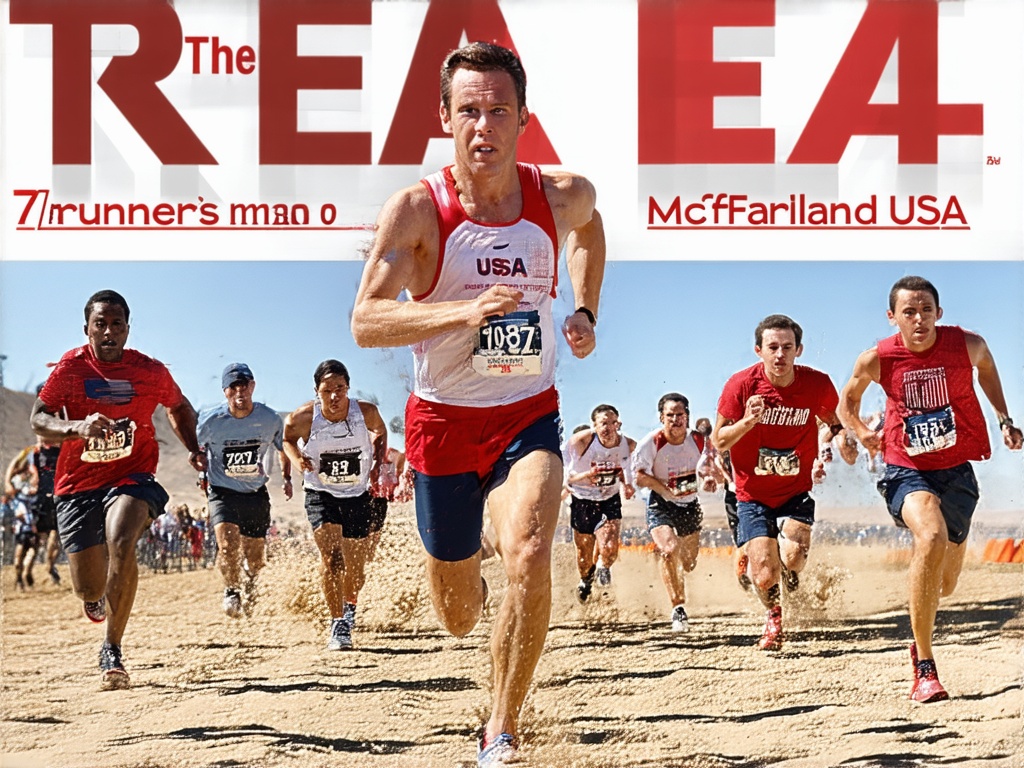
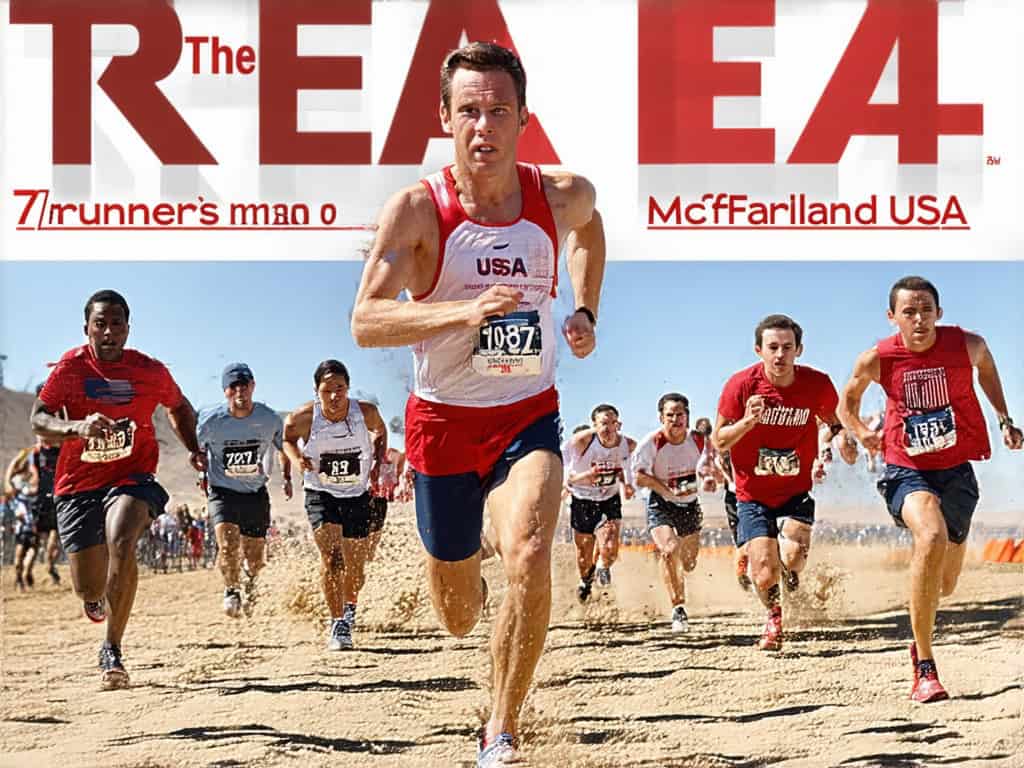
But Disney wanted archetypes: the talented natural (Thomas Valles), the loyal best friend (made-up Julio), the struggling overweight kid (Danny). Except Danny Diaz wasn’t overweight. Look at the 1987 team photos. Dude was lean. Athletic. He ran a legitimate race at state, finishing 91st out of hundreds of runners.
His older brother David? He’d already graduated but came back to support the team as an alternate. That’s the kind of family dedication Disney missed entirely.
The McFarland USA true story is actually better than fiction. These weren’t just random kids thrown together. They were a family—sometimes literally. The Diaz brothers. The real Samaniego brothers. All running for a coach who’d spent years building this program, not the seven days the movie suggests.
But here’s what really gets me about the movie’s changes—they glossed over the tragedy that actually motivated this team to greatness.
The Tragedy That Fueled McFarland’s First State Title: Silvia Diaz and Herlinda Gonzalez
Nobody talks about this.
In 1986, the year before McFarland’s first championship, two girls from their cross country team died. Silvia Diaz and Herlinda Gonzalez were hit by a car during practice. They were teammates. Friends. Part of the McFarland running family.
And they were dead.
I’ve seen the photos from the 1986 Kern County Invitational, taken just days after the accident. The boys’ team is there, racing with hollow eyes and forced determination. The caption reads ‘racing for their fallen teammates.’
This wasn’t in the McFarland USA Netflix version. This wasn’t in any McFarland USA streaming platform edit. Disney gave us manufactured drama about Coach White learning Spanish and the team overcoming poverty. Sure, those things happened. But they buried the real emotional core of that 1987 victory.
Those boys weren’t just running for themselves or their families. They were running for Silvia and Herlinda.
Every workout, every race in 1987 carried that weight. When you understand this context, that state championship becomes something else entirely. It’s not just about proving the poor kids from McFarland, California could compete. It’s about honoring the dead. About turning grief into gold medals.
The Diaz family—yeah, the same family that gave us Damacio and Danny—knew Silvia wasn’t technically related, but in a small town like McFarland, those distinctions blur. She was one of theirs. The whole team felt it.
This is what motivated them through 100-degree Central Valley summer runs and 5 AM workouts. Not some Disney moment about believing in yourself. Real loss. Real pain. Real kids trying to make sense of death by running until their lungs burned.
That’s your true story.
The McFarland Cougars cross country team of 1987 wasn’t just trying to win a championship. They were carrying the memory of two dead friends across every finish line. When Thomas Valles pushed through exhaustion, when Victor Puentes fought for every place, when the Diaz brothers ran as a pack—they all knew what they were running for.
And when race day finally came, when everything they’d worked for hung in the balance, it was Danny Diaz—not the movie’s comic relief, but a real runner—who secured their victory.
Danny Diaz’s 91st Place Finish: How the ‘Slowest’ Runner Saved McFarland’s Championship
Let me paint you the real picture of that 1987 state meet.
McFarland’s top four runners were crushing it. Thomas Valles in 7th, Johnny Samaniego in 12th, Victor Puentes in 16th, Damacio Diaz in 22nd. That’s 31 points—an incredible team score. They were destroying the competition.
Then Jose Cardenas hit the wall.
Hard.
Maybe it was nerves, maybe the pressure, maybe just a bad day. But he staggered across in 148th place. In cross country, your fifth runner’s position can make or break a championship. Cardenas’ collapse meant McFarland needed their sixth and seventh runners to step up.
Enter Danny Diaz.
While the McFarland USA cast portrayed him as this overweight kid barely making it across the line, the real Danny Diaz ran a tactical, intelligent race. 91st place out of over 200 runners. That’s top half. That’s competitive.
That’s the difference between a championship and heartbreak.
Think about it: If Danny runs the race the movie suggests—barely finishing, walking parts of it—McFarland loses. Stevenson High School was right there, ready to steal the title. But Danny didn’t just finish. He competed. He passed runners. He secured McFarland High School’s first-ever state championship.
The final score? McFarland’s depth beat Stevenson’s front-runners. That’s cross country for you—it’s not about your fastest guy, it’s about your fifth, sixth, and seventh runners. Danny Diaz understood that. He delivered when it mattered most.
And what’s his reward? Being portrayed as comic relief, wearing a fat suit in a Disney movie.
The disrespect is staggering.
This is what bugs me about the McFarland USA facts vs fiction debate. It’s not just that they changed details. They fundamentally misrepresented a kid who, when his team needed him most, delivered a clutch performance. Danny Diaz didn’t waddle across that finish line. He raced. He competed. He won.
The real McFarland distance runners understood something the movie missed: championships aren’t won by your stars alone. They’re won by your sixth and seventh runners stepping up when it matters. Danny Diaz was that runner. Not a punchline. A champion.
Where Are They Now? The McFarland Runners’ Real Legacy
You want to know what happened to the McFarland runners? They became exactly what their parents dreamed of—educated, successful, giving back to their community.
Thomas Valles? Became a teacher and coach, returning to McFarland to inspire the next generation. Johnny Samaniego? College graduate, successful career. The Diaz brothers? All of them—all seven siblings—went to college.
Think about that. In a town where most parents were migrant workers, where college was a distant dream, Jim White and the McFarland track team created a pipeline to higher education. Not through some magical movie moment, but through years of consistent work, community support, and yes, running their asses off.
Danny Diaz, the kid Disney turned into a fat joke? He went to college. Built a career. Raised a family. Just like his brothers. Just like his teammates.
This is the real McFarland USA true story—not a single magical season, but decades of transformation. Coach White didn’t just build a championship team in 1987. He built a culture that’s still producing college graduates today.
The McFarland cross country team became a dynasty, winning nine state championships. But more importantly, they became a symbol of what’s possible when a community invests in its kids. When coaches see potential where others see problems. When running becomes a path to education.
And it all started with seven kids who ran through grief to glory in 1987.
The Real McFarland Story Disney Should Have Told
The real McFarland story doesn’t need Hollywood embellishment. Seven runners from migrant families, motivated by the death of two teammates, coached by a man who’d been there seven years not seven days, pulled off one of the great upsets in California cross country history.
Danny Diaz wasn’t a punchline—he was a hero. The tragedy of Silvia Diaz and Herlinda Gonzalez wasn’t erased for a PG rating—it was the fuel that powered a championship. These weren’t composite characters designed to make audiences comfortable. They were real kids with real names who did something extraordinary.
The McFarland USA movie got some things right. Kevin Costner captured Jim White’s dedication. The cinematography made you feel the heat of those Central Valley runs. The basic inspirational message—that these kids could overcome poverty through hard work—rings true.
But they missed the heart of it.
They missed the grief that drove these boys to run harder than they’d ever run before. They missed the tactical brilliance of Danny Diaz saving a championship with a 91st place finish. They missed the fact that this wasn’t a one-year miracle but the culmination of years of program building.
Most of all, they missed the chance to tell a story that’s actually more powerful than fiction: how a community transformed itself through running, one championship at a time.
Next time you watch McFarland USA on Netflix or wherever you’re streaming it, remember this: Thomas Valles, Johnny Samaniego, Victor Puentes, Damacio Diaz, Jose Cardenas, Danny Diaz, and David Diaz.
Those are their names. That’s their story.
And it’s better than anything Hollywood could invent.
The boys from McFarland didn’t need Disney to make them special. They were already champions. They’d already overcome more than most of us can imagine. They’d already honored their fallen teammates with the greatest tribute possible—a state championship banner that still hangs in McFarland High School.
That’s the McFarland USA true story. That’s what really happened to those seven runners in 1987. And that’s why, no matter how many times Disney tells their version, the real story will always be more powerful.
Because it’s true.
Related Reading
- The Best Family Halloween Movies for Kids (by Age)
- The Brutal Truth About Visiting Walk the Prank’s Set (And What Fans Actually Need to Know)
- Family Movies About Love and Friendship: 12 Heartwarming Films to Watch Together
- Why Your Star Wars Cool Mist Humidifier Is Actually Better Than A $300 Medical Unit (And Nobody Told You)